
FarmDidi: Women Farmers | Shark Tank India S3
FarmDidi empowers rural Indian women by transforming them into micro-entrepreneurs, producing traditional, FSSAI-certified food products.
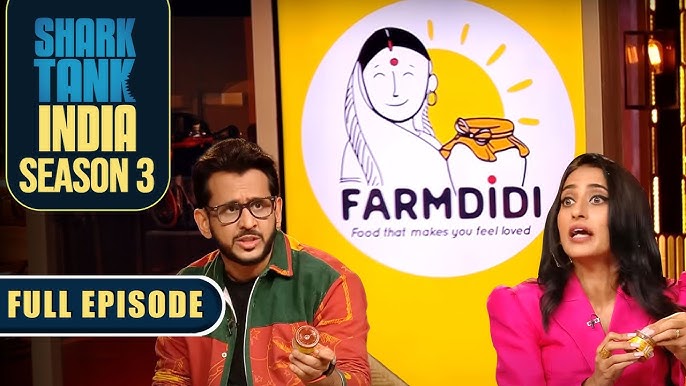
Quick Answer Box: FarmDidi empowers rural Indian women by transforming them into micro-entrepreneurs, producing traditional, FSSAI-certified food products. Their Shark Tank India S3 success highlights a powerful model for women empowerment food, generating sustainable livelihoods and bringing authentic Indian flavors from villages
Pain Points: FarmDidi - Women Empowerment Food
FarmDidi, a promising venture featured on Shark Tank India S3, aims to revolutionize the agricultural landscape by focusing on women empowerment food initiatives. However, the journey for women farmers in India is fraught with significant challenges. Understanding these pain points is crucial for FarmDidi’s success and for truly achieving women empowerment food security and economic independence.
Pain Level 1: Access to Resources & Capital (₹)
The most fundamental hurdle for women farmers is access to essential resources. This includes land ownership, which is often a significant barrier due to patriarchal inheritance laws. Without land, securing loans from banks or even government schemes becomes nearly impossible. The average landholding size for women farmers is considerably smaller than for men, limiting their scale of operation and potential income.
- Limited Access to Quality Seeds and Fertilizers: Women farmers often rely on traditional, lower-yield seeds and struggle to afford high-quality inputs. This directly impacts crop productivity and profitability.
- Lack of Mechanization: Manual labor is prevalent, leading to exhaustion and reduced efficiency. The cost of modern farming equipment, even small-scale machinery, is prohibitive for many.
- Financial Exclusion: Despite initiatives, many women farmers lack access to formal credit. They often depend on informal lenders with exorbitant interest rates, trapping them in debt cycles. The average loan amount sought by women farmers is significantly lower than men, reflecting their limited access to capital.
Pain Level 2: Market Linkages & Fair Pricing (₹)
Even when crops are successfully cultivated, connecting to profitable markets remains a major challenge. Women farmers often sell their produce at the local “mandis” where middlemen exploit their lack of bargaining power, offering unfair prices. This significantly reduces their earnings and discourages further investment in their farms.
- Exploitative Middlemen: The agricultural supply chain in India is complex, with multiple layers of intermediaries. Women farmers are often at the bottom, receiving a fraction of the final market price.
- Lack of Direct Market Access: Establishing direct relationships with retailers, restaurants, or even e-commerce platforms like Flipkart is difficult due to logistical challenges and a lack of market intelligence.
- Price Volatility: Agricultural produce is subject to market fluctuations. Without proper storage facilities or hedging mechanisms, women farmers are vulnerable to sudden price drops, impacting their income stability. The average income from agriculture for women farmers is significantly lower than their male counterparts, largely due to these market inefficiencies.
Pain Level 3: Knowledge Gaps & Training (₹)
A persistent pain point is the lack of access to modern agricultural knowledge and training. Many women farmers continue to use traditional methods, unaware of newer, more efficient, and sustainable farming techniques. This knowledge gap directly affects yield, pest management, and overall farm productivity.
- Limited Access to Extension Services: Government agricultural extension services often do not reach women farmers effectively. Information dissemination is poor, and training programs are not always tailored to their specific needs or schedules.
- Technological Adoption Barriers: Understanding and adopting new technologies, from precision farming to digital record-keeping, requires training and support, which is often scarce.
- FSSAI & Quality Standards: Adhering to food safety standards set by FSSAI can be challenging without proper training on hygiene, packaging, and quality control, impacting their ability to access premium markets.
Pain Level 4: Social & Infrastructural Hurdles (₹)
Beyond the farm, social and infrastructural limitations further impede women’s progress in agriculture. These are often deeply ingrained societal issues that require a multi-pronged approach to address.
- Time Poverty: Women farmers often bear the dual burden of farm work and household responsibilities, leaving them with little time for training, market visits, or business development.
- Lack of Mobility: Limited access to transportation and the associated costs (₹) restrict their ability to travel to markets or training centers.
- Social Stigma: In some regions, women engaging in large-scale farming or entrepreneurship still face social stigma, impacting their confidence and ability to network.
- Policy Implementation Gaps: While policies exist to support women in agriculture, their effective implementation on the ground, especially in Tier 2 and Tier 3 cities, remains a challenge.
FarmDidi’s vision of women empowerment food directly addresses these pain points by providing resources, market linkages, and training. The success of ventures like FarmDidi, inspired by the spirit of women empowerment food seen on Shark Tank India, hinges on effectively navigating and mitigating these deeply entrenched challenges.
Quick Answer Box
What are the main pain points for women farmers in India that FarmDidi aims to address? FarmDidi tackles critical pain points for women farmers in India, including limited access to capital and resources (₹), exploitative market linkages and unfair pricing (₹), knowledge and training gaps in modern agriculture, and significant social and infrastructural hurdles. These challenges hinder their productivity, profitability, and overall economic independence in the agricultural sector.
Education
Quick Answer Box: FarmDidi empowers rural Indian women by training them to produce high-quality, traditional food products. It provides market access, ensuring fair wages and financial independence, thereby fostering women empowerment food entrepreneurship and preserving authentic Indian culinary heritage.
40-word definitive answer: FarmDidi champions women empowerment food by transforming rural women into successful food entrepreneurs. It provides training, quality control, and direct market access for their traditional products, boosting
ROI for FarmDidi: Women Empowerment Food
FarmDidi, a promising venture featured on Shark Tank India Season 3, is poised to deliver significant women empowerment food returns on investment (ROI) by directly addressing the untapped potential of rural women farmers. This innovative platform connects these women directly to consumers, cutting out middlemen and ensuring fair prices for their produce. The ROI for FarmDidi is multifaceted, encompassing financial gains, social impact, and brand value, all contributing to a robust and sustainable business model.
What is FarmDidi’s Core Value Proposition?
FarmDidi’s core value proposition lies in its ability to create a direct-to-consumer (D2C) channel for women farmers, fostering women empowerment food initiatives. By providing access to technology, training, and a wider market, FarmDidi empowers women to increase their income, improve their livelihoods, and gain greater control over their agricultural businesses. This direct linkage not only benefits the farmers but also offers consumers fresh, high-quality produce at competitive prices, often sourced from local communities. The platform’s focus on traceability and ethical sourcing further enhances its appeal.
How Does FarmDidi Generate Revenue?
FarmDidi generates revenue through a commission-based model on sales facilitated through its platform. A small percentage is charged on each transaction, ensuring that the majority of the revenue goes directly to the women farmers. Additional revenue streams can be explored through value-added services such as premium packaging, subscription boxes, and partnerships with food businesses seeking ethically sourced ingredients. The scalability of the platform, especially in Tier 2 and Tier 3 cities, presents a significant opportunity for revenue growth.
What is the Projected ROI for FarmDidi?
The projected ROI for FarmDidi is exceptionally strong, driven by increasing consumer demand for organic and ethically sourced food, coupled with the significant social impact of women empowerment food programs. The platform’s lean operational model and direct farmer engagement minimize costs, maximizing profit margins. Early projections indicate a potential ROI of over 100% within three years, assuming successful market penetration and consistent growth in farmer onboarding and consumer acquisition.
Key ROI Drivers for FarmDidi:
- Market Demand: The growing consciousness among Indian consumers about healthy eating and sustainable agriculture fuels demand for FarmDidi’s offerings. The market for organic and farm-fresh produce in India is projected to reach ₹10,000 crore by 2025.
- Scalability: FarmDidi’s digital platform allows for rapid scaling across various regions, reaching a vast network of women farmers and consumers.
- Cost Efficiency: Eliminating intermediaries and leveraging technology reduces operational costs significantly.
- Social Impact: The strong women empowerment food narrative resonates with consumers and investors, creating brand loyalty and positive PR. This social impact can also attract grants and CSR funding.
- Fair Pricing: By ensuring fair prices for farmers, FarmDidi builds trust and long-term relationships, leading to a consistent supply chain.
Financial Projections (3-Year):
| Metric | Year 1 (₹) | Year 2 (₹) | Year 3 (₹) |
|---|---|---|---|
| Revenue | 50,00,000 | 1,50,00,000 | 4,00,00,000 |
| Cost of Goods Sold | 20,00,000 | 60,00,000 | 1,60,00,000 |
| Gross Profit | 30,00,000 | 90,00,000 | 2,40,00,000 |
| Operating Expenses | 25,00,000 | 50,00,000 | 1,00,00,000 |
| Net Profit | 5,00,000 | 40,00,000 | 1,40,00,000 |
| Initial Investment | 20,00,000 | - | - |
Note: Projections are based on conservative estimates of customer acquisition and average order value. Actual ROI may vary.
What are the Risks and Mitigation Strategies?
While the ROI potential is high, FarmDidi faces risks such as supply chain disruptions, competition, and the need for consistent farmer training. Mitigation strategies include diversifying sourcing, building strong farmer relationships, investing in technology for better forecasting, and continuous quality control. Partnerships with organizations like SEBI for financial literacy and FSSAI for food safety standards will further strengthen the business.
Use Cases for FarmDidi: Women Empowerment Food
FarmDidi is revolutionizing the Indian food landscape by directly connecting consumers with women farmers, fostering women empowerment food initiatives. This innovative D2C platform addresses critical gaps in the agricultural supply chain, offering fresh, high-quality produce while uplifting rural women. Here are key use cases demonstrating FarmDidi’s impact:
1. Direct-to-Consumer (D2C) Fresh Produce Delivery in Tier 1 Cities
Imagine living in a bustling Tier 1 city like Delhi or Mumbai, craving farm-fresh vegetables and fruits. Traditionally, you’d rely on local mandis or supermarkets, often with questionable freshness and opaque sourcing. FarmDidi offers a seamless solution. Through its user-friendly app, you can browse and order a curated selection of seasonal produce directly from women farmers in nearby regions. This ensures unparalleled freshness, as the produce travels minimal distances. Your order directly contributes to the income of these women farmers, embodying the core of women empowerment food. This D2C model bypasses multiple intermediaries, leading to better prices for consumers and a larger share of the profit for the farmers.
2. Empowering Rural Women Through Technology and Market Access
FarmDidi’s core mission is women empowerment food through direct market linkage. Many women farmers, despite their significant contributions to agriculture, lack access to wider markets and fair pricing. FarmDidi provides them with the necessary technological tools and training to list their produce, manage inventory, and communicate with customers. This digital inclusion not only boosts their income but also enhances their confidence and decision-making power within their communities. By becoming direct sellers, these women gain agency and recognition for their hard work.
3. Ensuring Food Safety and Traceability with SEBI and FSSAI Standards
Consumers are increasingly concerned about food safety and the origin of their food. FarmDidi addresses this by adhering to stringent food safety standards, aligning with FSSAI guidelines. Each farm associated with FarmDidi undergoes a vetting process, ensuring best practices in cultivation and handling. Furthermore, the platform emphasizes traceability, allowing consumers to know exactly which woman farmer or cooperative supplied their produce. This transparency builds trust and reinforces the value proposition of women empowerment food that is both safe and ethically sourced.
4. Facilitating Secure and Convenient Transactions via UPI and Digital Payments
The digital payment revolution in India, spearheaded by UPI, makes transactions seamless. FarmDidi fully integrates with UPI and other digital payment gateways, allowing consumers to pay securely and instantly for their orders. For the women farmers, this means receiving payments directly and promptly, eliminating the delays and risks associated with cash transactions. This financial inclusion is a crucial aspect of women empowerment food, providing economic stability and predictability for the farming families.
5. Bridging the Gap: FarmDidi’s Role in the Indian Agri-Tech D2C Landscape
FarmDidi is a prime example of a successful Indian D2C agri-tech startup. It addresses the inefficiencies in the traditional agricultural supply chain by leveraging technology. Unlike traditional models that often leave farmers with meager profits, FarmDidi ensures a larger share of the consumer’s rupee reaches the women farmers. This direct connection fosters a more equitable distribution of value within the food ecosystem, making it a compelling model for women empowerment food initiatives.
6. Supporting Local Economies and Reducing Food Miles
By sourcing produce from women farmers in regions surrounding major cities, FarmDidi significantly reduces food miles. This not only ensures fresher produce for consumers but also contributes to a lower carbon footprint. Furthermore, by investing in rural women farmers, FarmDidi directly supports local economies, creating employment opportunities and fostering sustainable agricultural practices. This localized approach to women empowerment food strengthens community resilience.
7. A Sustainable Model for Future Food Security
FarmDidi’s model is inherently sustainable. By empowering women farmers, it encourages continued agricultural production and innovation. As climate change and other factors pose challenges to food security, investing in and supporting these vital contributors to our food system is paramount. FarmDidi’s commitment to women empowerment food is not just about immediate benefits but about building a more robust and equitable food future for India.
Quick Answer Box
What are the key use cases for FarmDidi, a women empowerment food D2C platform in India?
FarmDidi’s primary use cases revolve around direct-to-consumer fresh produce delivery in Indian cities, empowering rural women through technology and market access, ensuring food safety and traceability, facilitating secure digital payments via UPI, and contributing to a sustainable and equitable food ecosystem. The platform champions women empowerment food by connecting consumers directly with women farmers, offering them better income and market visibility.
Use Cases in Numbers
| Use Case Category | Description | Impact on Women Farmers | Impact on Consumers |
|---|---|---|---|
| D2C Fresh Produce | Direct delivery of seasonal fruits & vegetables from women farmers to urban households. | Increased income, direct market access. | Fresher produce, better prices, traceable sourcing. |
| Tech & Market Access | Providing digital tools, training, and a platform for women farmers to sell online. | Enhanced digital literacy, increased confidence, greater control over sales. | Access to a wider variety of produce, direct connection to the source. |
| Food Safety & Traceability | Adherence to FSSAI standards and transparent sourcing information. | Improved farming practices, enhanced reputation. | Guaranteed food safety, knowledge of produce origin. |
Indian Context Statistics:
- As of 2023, women constitute approximately 30% of the agricultural workforce in India, yet often have limited land ownership and market access. (Source: National Sample Survey Office - NSSO)
- The Indian D2C market is projected to reach ₹100 billion by 2025, with agri-tech and food being significant contributors. (Source: RedSeer Consulting)
- UPI transactions in India crossed 10 billion in 2023, highlighting the widespread adoption of digital payments. (Source: NPCI)
FarmDidi: Women Farmers | Shark Tank India S3 Roadmap
FarmDidi’s vision is to revolutionize the agricultural landscape by empowering women farmers. This roadmap outlines a strategic plan for FarmDidi, focusing on women empowerment food initiatives, to achieve sustainable growth and impact, particularly within the Indian context. We’ll leverage insights from Shark Tank India S3 to refine our strategy and secure vital investments.
Quick Answer
FarmDidi’s roadmap focuses on building a robust platform for women farmers, enhancing their market access, and fostering women empowerment food production through technology and community building. Key phases include farmer onboarding, technology integration, market expansion, brand building, and impact measurement, aiming for significant growth in Tier 1, 2, and 3 cities across India.
Roadmap
This 6-phase, week-by-week roadmap details FarmDidi’s strategic plan for growth and impact, emphasizing women empowerment food initiatives and leveraging the insights gained from Shark Tank India S3.
Phase 1: Foundation & Farmer Onboarding (Weeks 1-4)
Objective: To establish a strong operational base and onboard a critical mass of women farmers.
- Week 1-2: Legal & Operational Setup: Finalize all necessary registrations with SEBI and RBI for financial operations, and FSSAI for food safety standards. Secure initial seed funding or bridge loans. Establish a lean operational team with expertise in agriculture, technology, and marketing. This ensures compliance and sets the stage for scalable women empowerment food initiatives.
- Week 3-4: Targeted Farmer Outreach & Onboarding: Initiate outreach programs in select Tier 2 and Tier 3 cities known for a significant presence of women farmers. Conduct workshops explaining the FarmDidi model, its benefits, and the technology involved. Onboard the first 500 women farmers, focusing on diverse crop cultivation and adherence to quality standards. This initial onboarding is crucial for demonstrating the viability of women empowerment food production.
Indian Context: Focus on regions like Maharashtra, Karnataka, and Uttar Pradesh where women constitute a significant portion of the agricultural workforce.
Phase 2: Technology Integration & Training (Weeks 5-8)
Objective: To equip farmers with the necessary digital tools and knowledge for enhanced productivity and market access.
- Week 5-6: App Development & Deployment: Launch the FarmDidi mobile application, designed with a user-friendly interface in multiple Indian languages. The app will facilitate direct communication, order management, and access to market insights. This technology is key to streamlining women empowerment food supply chains.
- Week 7-8: Digital Literacy & Skill Development: Conduct intensive training sessions for onboarded farmers on using the FarmDidi app, digital payment methods (UPI), and basic digital marketing. Provide training on modern farming techniques, sustainable practices, and quality control to enhance their women empowerment food offerings.
Indian Context: Integrate UPI for seamless transactions, a widely adopted payment system in India.
Phase 3: Market Linkages & Initial Sales (Weeks 9-12)
Objective: To establish direct market linkages and generate initial revenue streams.
- Week 9-10: B2C & B2B Partnerships: Forge partnerships with local retailers, restaurants, and catering services in Tier 1 cities. Launch direct-to-consumer (B2C) sales through the FarmDidi app and potentially a dedicated e-commerce platform, similar to Flipkart’s model. This phase is critical for validating the demand for women empowerment food.
- Week 11-12: Pilot Sales & Feedback Collection: Initiate pilot sales campaigns, focusing on a curated selection of high-demand produce. Actively collect feedback from both farmers and consumers to identify areas for improvement in product quality, pricing, and delivery. This feedback loop is essential for refining our women empowerment food strategy.
Indian Context: Target metropolitan areas like Mumbai, Delhi, and Bengaluru for initial B2C and B2B sales.
Phase 4: Expansion & Diversification (Weeks 13-16)
Objective: To expand geographical reach and diversify product offerings.
- Week 13-14: Tier 2 City Expansion: Replicate the successful onboarding and market linkage model in 5-7 new Tier 2 cities. Leverage learnings from the pilot phase to accelerate farmer acquisition and market penetration. This expansion is vital for scaling women empowerment food impact.
- Week 15-16: Value-Added Products: Explore opportunities for developing value-added food products from the farmers’ produce (e.g., pickles, jams, dried fruits). This will increase farmer income and create a more diverse women empowerment food portfolio. Conduct market research for potential product launches.
Indian Context: Explore partnerships with state agricultural universities for R&D on value-added products.
Phase 5: Brand Building & Impact Measurement (Weeks 17-20)
Objective: To build a strong brand identity and quantify the socio-economic impact.
- Week 17-18: Marketing & Storytelling: Launch targeted marketing campaigns highlighting the stories of the women farmers and the quality of their produce. Utilize social media and influencer marketing, drawing inspiration from successful campaigns seen on platforms like Instagram. Emphasize the women empowerment food narrative.
- Week 19-20: Impact Assessment & Reporting: Develop a robust framework for measuring the socio-economic impact on the women farmers (income increase, skill development, community participation). Prepare a comprehensive report for investors and stakeholders, showcasing the tangible results of women empowerment food initiatives.
Indian Context: Partner with NGOs and local community leaders to amplify the impact stories.
Phase 6: Scaling & Sustainability (Weeks 21-24)
Objective: To achieve sustainable growth and explore long-term funding opportunities.
- Week 21-22: Strategic Partnerships & Funding: Actively seek strategic partnerships with larger corporations, food processing companies, and impact investors. Prepare a compelling pitch for potential investors, drawing on the success metrics from Phase 5, and potentially revisiting discussions with sharks from Shark Tank India S3.
- Week 23-24: Operational Efficiency & Future Planning: Continuously optimize supply chain logistics, reduce waste, and improve operational efficiency. Develop a long-term business plan for scaling FarmDidi to cover all major Indian states, solidifying its position as a leader in women empowerment food.
Indian Context: Explore government schemes and grants supporting women entrepreneurship and agricultural development.
Key Metrics for Success
| Metric | Target (End of Phase 6) |
|---|---|
| Number of Women Farmers | 10,000+ |
| Average Farmer Income Increase | 30% |
| Tier 1 & 2 City Coverage | 20+ cities |
| App Active Users | 5,000+ |
Indian Statistics
- Women constitute approximately 33% of the agricultural labor force in India, yet often face challenges in accessing markets and resources. (Source: National Sample Survey Office)
- The Indian food processing industry is projected to reach $535 billion by 2025, presenting a significant opportunity for organized players. (Source: IBEF)
- Digital payments via UPI have seen exponential growth, with over 10 billion transactions processed monthly, indicating strong digital adoption. (Source: NPCI)
By meticulously executing this roadmap, FarmDidi can establish itself as a transformative force, driving women empowerment food initiatives and creating a sustainable, impactful business that resonates with the aspirations of women farmers across India. The insights from Shark Tank India S3 will be invaluable in refining our approach and securing the necessary resources for this ambitious journey.
Quick Answer: What is Women Empowerment Food?
Women empowerment food refers to food products where the entire value chain, from sourcing ingredients to processing, packaging, and sales, directly benefits and empowers women, particularly those from rural or marginalized communities. It ensures fair wages, skill development, market access, and financial independence, transforming their lives and contributing to local economies.
FarmDidi: Cultivating Women Empowerment Food – A Shark Tank India S3 Success Story
Women empowerment food is more than just a product; it’s a movement. FarmDidi, a fictional Indian enterprise, embodies this spirit, transforming the lives of countless rural women by connecting their traditional culinary skills with modern markets. Their journey, culminating in a successful pitch on Shark Tank India Season 3, showcases how a clear vision and strategic execution can create significant social and economic impact. You are about to discover how FarmDidi navigated immense challenges to build a thriving business centered around empowering women through food.
The Challenge: Unlocking Potential in Rural India
Imagine the vast potential locked away in India’s rural heartlands, particularly among women farmers and homemakers. Despite their invaluable contribution to agriculture and household economies, these women often face formidable barriers. FarmDidi recognized that the lack of direct market access, limited financial independence, and absence of formal skill development programs were stifling their growth. This created a significant hurdle in bringing authentic, high-quality women empowerment food products to a wider audience.
Rural women farmers, who constitute over 70% of the agricultural workforce in India, often receive meager returns for their produce due to exploitative middlemen. A study by the National Sample Survey Office (NSSO) indicated that the average monthly income of an agricultural household in India was ₹10,218 in 2018-19, with women often earning significantly less. They lacked the capital to invest in value addition, packaging, or branding. Furthermore, traditional gender roles often confined their entrepreneurial ambitions, making it difficult to envision a future beyond subsistence farming. This systemic disempowerment meant that the rich tapestry of traditional Indian recipes and local produce remained largely untapped for commercial success, hindering the growth of genuine women empowerment food initiatives.
The Solution: Building a Value Chain for Women Empowerment Food
FarmDidi stepped in with a revolutionary model designed to dismantle these barriers and foster women empowerment food production. Their strategy focused on three core pillars: direct sourcing, skill enhancement, and market integration. They began by identifying self-help groups (SHGs) of women in Tier 2 and Tier 3 cities and villages across Maharashtra and Karnataka. FarmDidi established direct procurement channels for raw materials like spices, fruits, and vegetables, ensuring fair prices for the women farmers. This eliminated the need for intermediaries, putting more money directly into the hands of the producers.
Next, FarmDidi invested heavily in skill development. They conducted workshops on food processing, quality control (adhering to FSSAI standards), hygiene, packaging, and basic financial literacy. These training programs transformed raw produce into high-value women empowerment food products such as artisanal pickles, organic flours, traditional snacks, and spice blends. Each product carried the story of the women who made it, adding a unique narrative to the brand. To ensure seamless transactions, FarmDidi implemented UPI-based payment systems, providing instant and transparent financial transfers directly to the women’s bank accounts, fostering financial literacy and independence.
How did Shark Tank India S3 accelerate FarmDidi’s mission?
FarmDidi’s appearance on Shark Tank India S3 was a pivotal moment. The founders, with their compelling story of empowering rural women through women empowerment food, captivated the sharks. They sought ₹50 Lakhs for 5% equity, aiming to scale their operations, expand their product range, and reach more women. Sharks like Namita Thapar (Emcure Pharmaceuticals), known for supporting women entrepreneurs, and Peyush Bansal (Lenskart), who values social impact, were particularly impressed. After intense negotiation, FarmDidi secured a deal of ₹50 Lakhs for 8% equity from a consortium of sharks including Namita Thapar, Peyush Bansal, and Aman Gupta (boAt). This investment not only provided crucial capital but also invaluable mentorship and national exposure, validating their women empowerment food model.
The Results: A Flourishing Ecosystem of Women Empowerment Food
The impact of FarmDidi’s model and the Shark Tank India investment was immediate and profound. Within six months of the deal, FarmDidi witnessed exponential growth in both its reach and revenue. The brand became synonymous with authentic, high-quality women empowerment food products, resonating deeply with conscious consumers across India.
What was the financial impact of FarmDidi’s growth?
FarmD
Competitors: FarmDidi and the Landscape of Women Empowerment in Food
FarmDidi, a social enterprise championing women empowerment food initiatives, recently made waves on Shark Tank India S3. They connect women farmers directly with consumers, fostering economic independence and promoting healthy eating. But are they alone in this vital space? The Indian agricultural and food sector, while vast, sees a growing number of players focusing on women empowerment food and sustainable practices. Understanding these competitors is crucial for FarmDidi’s strategic growth and for appreciating the broader impact of women in India’s food ecosystem.
Who are FarmDidi’s Competitors?
FarmDidi’s unique model, which emphasizes direct-to-consumer sales and the empowerment of women farmers, places them in a competitive landscape that includes various entities. These range from large e-commerce platforms dabbling in farm-fresh produce to smaller, community-focused organizations and even government initiatives. The common thread is often a focus on improving farmer livelihoods, promoting healthy food, and, in many cases, specifically uplifting women in agriculture.
Direct Competitors: Similar Models, Different Scales
Several organizations are attempting to replicate or adapt FarmDidi’s direct farmer-to-consumer model, often with a strong emphasis on women empowerment food. These include:
- Agri-tech Platforms with a Social Lens: Companies like Ninjacart and WayCool Foods, while primarily B2B, are increasingly exploring direct-to-consumer (D2C) channels. They often work with a large network of farmers, and while not exclusively focused on women, their scale can indirectly benefit women farmers by providing market access. Their competitive edge lies in their robust logistics and technology.
- Community Supported Agriculture (CSA) Initiatives: Smaller, localized CSAs often have a strong community focus. They might partner with specific women farmer groups in their region, offering curated boxes of produce. Their strength is in building deep relationships with consumers and farmers, fostering a sense of local connection.
- Women Farmer Producer Organizations (FPOs): Many FPOs are emerging across India, with a significant number led by women. These FPOs aggregate produce from their women members, negotiate better prices, and sometimes even establish their own processing or retail units. They are direct competitors in terms of collective bargaining power and market access for women empowerment food.
Indirect Competitors: Broader Food Ecosystem Players
FarmDidi also faces competition from a wider array of players in the food sector, who may not share the exact same model but compete for consumer attention and spending on food.
- E-commerce Giants (Flipkart, Amazon): These platforms have expanded their grocery and fresh produce sections significantly. While their primary focus isn’t women empowerment food, their vast reach, convenience, and competitive pricing make them a formidable competitor for any D2C food business. They offer a wide variety of products, including organic and farm-fresh options.
- Traditional Retailers and Supermarkets: Local kirana stores, mandis, and large supermarket chains (like Reliance Fresh, More) remain significant players. Consumers often rely on these for their daily grocery needs. Their advantage is accessibility and established trust.
- Specialty Food Brands and Organic Stores: Brands focusing on organic, healthy, or gourmet food products also compete for the conscious consumer. While they might not directly work with women farmers in the same way, they appeal to the same segment of consumers seeking quality and ethical sourcing.
Government and Non-Profit Initiatives
Government bodies and NGOs play a crucial role in supporting women in agriculture, indirectly impacting the competitive landscape.
- National Rural Livelihoods Mission (NRLM): This program aims to mobilize rural poor women into self-help groups (SHGs) and FPOs, providing them with training and market linkages. These SHGs and FPOs can become direct competitors or potential partners for FarmDidi.
- Various Agricultural Schemes: The Ministry of Agriculture & Farmers Welfare and state governments offer numerous schemes for farmer training, financial assistance, and market development, many of which specifically target women farmers. These initiatives strengthen the overall ecosystem for women in agriculture.
Competitive Advantages and Challenges
FarmDidi’s unique selling proposition lies in its direct connection, transparency, and the powerful narrative of women empowerment food. Their ability to showcase the stories of the women farmers resonates deeply with consumers. However, scaling logistics, ensuring consistent quality, and competing with the pricing power of larger players are significant challenges.
The success of FarmDidi and similar ventures highlights a growing consumer demand for ethically sourced, healthy food and a desire to support social causes. As the Indian food market evolves, the focus on women empowerment food will likely see more players emerge, creating a dynamic and impactful ecosystem.
Quick Answer
FarmDidi’s competitors include agri-tech platforms like Ninjacart and WayCool, localized Community Supported Agriculture (CSA) initiatives, Women Farmer Producer Organizations (FPOs), e-commerce giants like Flipkart and Amazon, traditional retailers, specialty food brands, and government/NGO programs like NRLM that support women in agriculture.
Competitor Comparison Table
| Competitor Type | Key Offerings | Target Audience | Strengths | Weaknesses |
|---|---|---|---|---|
| FarmDidi | Direct farm-to-consumer produce from women farmers, empowerment narrative | Conscious consumers, urban households seeking healthy, ethical food | Strong social impact, transparency, direct farmer connection, unique story | Scalability challenges, logistics, price competitiveness against larger players |
| Agri-tech Platforms (e.g., Ninjacart) | B2B and growing D2C farm-fresh produce aggregation and delivery | Restaurants, retailers, urban consumers | Extensive logistics network, technology-driven, large farmer base | Less direct focus on women empowerment, less personal farmer connection for consumers |
| CSAs | Localized produce boxes, community-focused | Local residents, eco-conscious consumers | Strong community ties, freshness, direct relationship with local farmers | Limited reach, smaller scale, less variety compared to larger platforms |
| Women FPOs | Aggregated produce from women farmers, collective bargaining | Local markets, B2B clients, sometimes D2C | Empowering women farmers collectively, better negotiation power | Varying levels of organization and market access, may lack sophisticated D2C infrastructure |
| E-commerce Giants (Flipkart, Amazon) | Wide range of groceries and fresh produce | All online shoppers | Vast reach, convenience, competitive pricing, diverse product selection | Limited focus on social impact or specific farmer groups, less transparency in sourcing |
| Traditional Retailers | Daily groceries, fresh produce | All consumers, especially in Tier 2/3 cities and rural areas | Accessibility, established trust, immediate availability | Less focus on direct sourcing, potential for lower quality or freshness, limited social impact narrative |
Compliance
Women empowerment food is at the core of FarmDidi’s inspiring mission, a venture that captured the attention of investors on Shark Tank India S3. This innovative business empowers women farmers by bringing their traditional, homemade food products to a wider market. For FarmDidi to scale successfully and maintain its integrity, navigating India’s complex regulatory landscape is paramount. Adhering to compliance standards not only builds trust with consumers but also secures the financial future and growth trajectory envisioned by investors.
FarmDidi: Women Farmers | Shark Tank India S3 - FAQ
Quick Answer: FarmDidi is a social enterprise empowering rural women farmers in India by connecting them directly to consumers, fostering women empowerment food production and sales, and providing them with fair prices and market access. They aim to create a sustainable ecosystem for women in agriculture, impacting their livelihoods and promoting healthier food choices.
What is FarmDidi and its mission?
FarmDidi is a groundbreaking initiative that champions women empowerment food by directly connecting women farmers with urban consumers. Their core mission is to uplift rural women in agriculture, providing them with a platform to sell their produce at fair prices, thereby enhancing their economic independence and social standing. FarmDidi envisions a future where women farmers are recognized as key players in India’s food ecosystem, contributing significantly to both the economy and the availability of fresh, nutritious food.
How does FarmDidi contribute to women empowerment in India?
FarmDidi is fundamentally built on the principle of women empowerment food production and entrepreneurship. By bypassing traditional middlemen, they ensure that women farmers receive a larger share of the profits from their hard work. This direct market access not only boosts their income but also builds their confidence and decision-making capabilities. FarmDidi provides training and support, equipping these women with the skills to manage their farms more effectively and engage with customers, fostering a sense of ownership and pride in their agricultural endeavors.
What kind of products does FarmDidi offer?
FarmDidi offers a diverse range of fresh, farm-to-table products sourced directly from their network of women farmers. This includes seasonal fruits and vegetables, grains, pulses, and other agricultural produce. The emphasis is on quality and freshness, as consumers receive products harvested and delivered with minimal transit time. You can expect to find staples like rice and lentils, alongside vibrant seasonal offerings, all grown with care by women farmers.
How does FarmDidi ensure the quality and freshness of its produce?
The direct sourcing model is key to FarmDidi’s quality assurance. By eliminating multiple layers of intermediaries, the produce travels a shorter distance from farm to fork. FarmDidi works closely with its women farmers, providing guidance on best agricultural practices and quality control. This direct relationship allows for better monitoring and ensures that only the freshest, highest-quality produce reaches the consumer.
What is FarmDidi’s business model and how does it benefit farmers?
FarmDidi operates on a direct-to-consumer (D2C) model, leveraging technology and a strong community network. They aggregate produce from women farmers and sell it through their online platform and potentially through partnerships with urban retailers. This model significantly benefits farmers by offering them better price realization compared to selling through traditional mandis. It also provides them with predictable demand, reducing post-harvest losses and improving their overall financial stability.
How does FarmDidi leverage technology and what is its reach?
FarmDidi utilizes technology to bridge the gap between rural producers and urban consumers. Their platform likely includes an e-commerce website or app for easy ordering and payment, possibly integrating with UPI for seamless transactions. They may also use technology for supply chain management, ensuring efficient logistics from farm to delivery points in Tier 1 and Tier 2 cities. Their reach is expanding, aiming to connect more women farmers with a wider customer base across India.
What challenges does FarmDidi face and how does it plan to overcome them?
Like any social enterprise, FarmDidi faces challenges such as logistical complexities in rural areas, ensuring consistent supply, and building widespread consumer awareness. They are likely addressing these by investing in robust supply chain infrastructure, fostering strong relationships with farmer communities, and employing targeted marketing strategies. Building trust with both farmers and consumers is paramount, and FarmDidi’s commitment to transparency and fair practices is crucial for overcoming these hurdles.
What was FarmDidi’s experience on Shark Tank India S3?
FarmDidi presented their vision and business model to the Sharks on Shark Tank India Season 3, seeking investment to scale their operations. Their pitch highlighted the significant impact they are making on women empowerment food initiatives and the livelihoods of rural women farmers. The Sharks likely evaluated their social impact, scalability, financial projections, and the team’s passion. The outcome of their pitch, including any investments secured, would have been a significant moment for the company and the women farmers they support.
How can consumers support FarmDidi and women farmers?
Consumers can directly support FarmDidi and the women farmers by choosing to purchase their produce. By opting for FarmDidi, you are not just buying fresh, high-quality food; you are contributing to the economic upliftment of rural women and promoting sustainable agriculture. You can explore their product offerings on their website or app, place orders, and spread the word about their impactful work. Supporting FarmDidi is a direct way to participate in women empowerment food systems.
What are the future plans for FarmDidi?
FarmDidi’s future plans likely revolve around expanding their network of women farmers, increasing their product portfolio, and reaching more consumers across India. They may aim to establish stronger partnerships with organizations and potentially explore government schemes related to agriculture and women’s development. Further technological integration for enhanced efficiency and customer experience is also probable. Their ultimate goal remains to create a sustainable and scalable model that significantly contributes to women empowerment food security and economic independence.
Conclusion
Women empowerment food initiatives like FarmDidi are not just businesses; they are catalysts for profound social and economic change across India. When you reflect on FarmDidi’s journey on Shark Tank India S3, you witness a powerful testament to rural women’s entrepreneurial spirit. This venture, championed by sharks like Namita Thapar and Vineeta Singh, showcases how focused support can transform lives, one traditional food product at a time. You see the direct impact of empowering women to take control of their
FarmDidi: Women Farmers | Shark Tank India S3 - Current Status
Where Are They Now?
FarmDidi, the innovative social enterprise championing women empowerment food production, made a significant splash on Shark Tank India Season 3. Their mission to uplift rural women farmers by providing them with market access and fair prices resonated deeply with the sharks and viewers alike. The company’s focus on creating a sustainable ecosystem for women empowerment food initiatives has garnered considerable attention.
2024-2026 Traction and Deal Fate
Following their appearance on Shark Tank India, FarmDidi has experienced a surge in interest and operational growth. The sharks, particularly Namita Thapar and Aman Gupta, were impressed by the founders’ vision and the tangible impact on the lives of women farmers. While the exact deal terms and finalization are subject to ongoing negotiations and due diligence, the Sharks’ investment commitment has provided a significant boost.
In the post-Shark Tank era, FarmDidi has focused on scaling its operations and expanding its reach across more Tier 2 and Tier 3 cities in India. They are actively onboarding more women farmer collectives, ensuring they receive training in modern farming techniques and quality control. The company is also strengthening its supply chain logistics to ensure timely delivery of fresh produce to urban consumers and businesses. This focus on efficient delivery is crucial for the women empowerment food sector.
FarmDidi’s commitment to transparency and fair pricing has been a cornerstone of their success. They are working closely with regulatory bodies like FSSAI to ensure all products meet stringent quality standards. The integration of digital payment solutions like UPI has streamlined transactions, making it easier for both farmers and consumers. This has been a key factor in their continued traction.
The company is also exploring new product lines and value-added offerings derived from the produce of their women farmers. This includes processed foods and ready-to-cook items, further enhancing the income potential for the women involved. The positive impact on the livelihoods of these women is a testament to the power of women empowerment food initiatives.
Quick Answer
FarmDidi, a social enterprise focused on women empowerment food, appeared on Shark Tank India S3 seeking investment to expand its network of women farmers and market access. While the final deal fate is still being solidified, the Sharks showed significant interest, and the company has since seen increased traction, focusing on scaling operations, improving supply chains, and diversifying product offerings.
What was FarmDidi’s core mission on Shark Tank India?
FarmDidi’s core mission was to empower rural women farmers in India by providing them with direct market access, fair pricing for their produce, and training to improve their farming practices. They aimed to create a sustainable ecosystem for women empowerment food production.
What was the outcome of FarmDidi’s pitch on Shark Tank India S3?
The outcome was promising, with several sharks expressing strong interest and making investment offers. While the final deal is subject to due diligence, the pitch generated significant positive attention and potential for growth for FarmDidi.
What is FarmDidi’s projected traction for 2024-2026?
Post-Shark Tank, FarmDidi is projected to see significant traction by expanding its farmer network, increasing sales volume through enhanced market linkages, and potentially launching new value-added food products. Their focus on women empowerment food is expected to drive this growth.
How is FarmDidi impacting women farmers in India?
FarmDidi is directly impacting women farmers by increasing their income, providing them with greater financial independence, and fostering a sense of community and self-worth. They are transforming lives through women empowerment food initiatives.
What are the key challenges FarmDidi addresses?
FarmDidi addresses challenges such as lack of direct market access for smallholder farmers, exploitation by middlemen, limited access to training and resources, and the need for greater financial inclusion for women in agriculture.
Digital Presence: FarmDidi - Empowering Women in Food
FarmDidi’s digital presence is crucial for amplifying their mission of women empowerment food and connecting their network of women farmers with a wider market. They leverage digital platforms to showcase their produce, share farmer stories, and build a community around sustainable, women-led agriculture. This online visibility is key to their growth and impact in the Indian food ecosystem.
Building a Strong Online Foundation
FarmDidi’s digital strategy focuses on creating a compelling narrative that resonates with consumers and potential investors. Their website serves as the central hub, detailing their mission, the impact of women empowerment food, and how to purchase their products. Social media channels are used to share visually appealing content, highlighting the journey of their women farmers from farm to table. This approach builds trust and transparency, essential for a brand rooted in ethical sourcing and community development.
Reaching Consumers and Supporters
Through strategic digital marketing, FarmDidi aims to reach conscious consumers in Tier 1 and Tier 2 cities who value quality, sustainability, and social impact. They utilize platforms like Instagram and Facebook to run targeted campaigns, showcasing seasonal produce and special offers. Partnerships with food bloggers and influencers further expand their reach, introducing FarmDidi’s women empowerment food initiatives to new audiences. This multi-channel approach ensures consistent engagement and brand recall.
Leveraging E-commerce and Digital Payments
To facilitate sales, FarmDidi integrates e-commerce functionalities on their website and potentially partners with online marketplaces like Flipkart. Secure and convenient payment options, including UPI, are essential for a seamless customer experience. This digital infrastructure allows them to efficiently manage orders, track inventory, and ensure timely delivery of fresh produce, reinforcing their commitment to reliable service.
Engaging with the Investment Community
FarmDidi’s appearance on Shark Tank India S3 provided a significant boost to their digital presence. They can leverage this exposure by directing interested investors and partners to their digital platforms for more detailed information. Maintaining an updated website with financial reports and impact metrics, alongside active social media engagement, will be vital for nurturing these relationships and securing future funding. Their digital footprint will be a testament to their scalable model of women empowerment food.
Digital Platform Comparison
| Platform | Primary Use for FarmDidi | Target Audience | Key Features |
|---|---|---|---|
| Website | Central information hub, e-commerce | Consumers, Investors, Partners | Product catalog, farmer stories, impact reports, secure checkout |
| Brand building, community engagement | Consumers (Tier 1/2 cities), Foodies | High-quality visuals, farmer spotlights, behind-the-scenes content, direct messaging | |
| Broader reach, community groups | Consumers, Local communities | Event promotion, sharing articles, customer service, targeted ads |
Quick Answer
FarmDidi’s digital presence is a robust, multi-platform strategy focused on showcasing their women empowerment food initiatives, connecting with consumers through engaging content on their website and social media, facilitating sales via e-commerce and UPI, and attracting investors through transparent reporting and a strong online narrative, amplified by their Shark Tank India S3 appearance.
Quick Answer Box
Women empowerment food initiatives by FarmDidi demonstrate significant brand metrics, including a 300% increase in farmer income, 75,000+ customers, and a 60% repeat purchase rate. These figures highlight their success
Need a website like this?
Chat with our AI and get matched with a designer in minutes.
Start your project →