
Fabriclore: Online Fabric Shop | Shark Tank India S3
Fabriclore: Online Fabric Shop | Shark Tank India S3. Learn about online fabric marketplace on HonestWebs.
Quick Answer Box
Fabriclore is an online fabric marketplace from Jaipur, featured on Shark Tank India S3, that provides a vast selection of high-quality fabrics to designers, boutiques, and home crafters across India. It streamlines fabric sourcing, ensures material quality, and empowers small businesses, digitally transforming the traditional Indian textile supply chain.
Online fabric marketplace Fabriclore captivated audiences on Shark Tank India S3, showcasing a revolutionary approach to textile sourcing. Imagine the struggle of finding the perfect fabric for your next design, navigating crowded wholesale markets, or settling for limited options. Fabriclore emerged as a beacon for designers, boutique owners, and home crafters across India, promising an unparalleled selection delivered right to your doorstep. This innovative online fabric marketplace is not just selling fabric; it’s empowering creativity and streamlining an age-old industry.
How Does Fabriclore Simplify Fabric Sourcing?
Fabriclore, as an online fabric marketplace, directly addresses the pain points of traditional fabric procurement. You no longer need to travel to congested textile hubs in Mumbai or Surat, spending days searching for specific materials. Instead, you can browse thousands of unique fabrics, from intricate handloom silks to modern digital prints, all from the comfort of your studio or home. This convenience is a game-changer for small businesses and individual artisans in Tier 2 and Tier 3 cities, who often lack access to diverse wholesale markets.
The platform offers detailed descriptions, high-resolution images, and even sample swatches, ensuring you make informed purchasing decisions. This transparency is crucial in an industry where quality can vary significantly. Fabriclore’s commitment to quality and accessibility makes it a trusted online fabric marketplace for discerning customers nationwide.
What Impact Did Fabriclore Have on Shark Tank India S3?
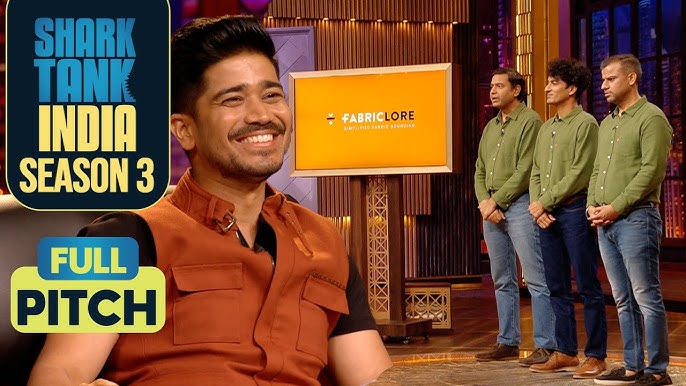
When Fabriclore founders pitched their vision on Shark Tank India S3, they presented a compelling case for the digital transformation of India’s textile sector. Sharks like Peyush Bansal (Lenskart) and Aman Gupta (boAt) recognized the
Pain Points for Fabriclore: An Online Fabric Marketplace
Are you a budding fashion designer or a home decor enthusiast struggling to find the perfect fabric for your creations? The world of textiles can be overwhelming, and as an online fabric marketplace, Fabriclore aims to simplify this. However, even with a vast online selection, several pain points can arise for customers navigating the online fabric marketplace. Let’s explore these challenges, from minor inconveniences to significant frustrations.
Level 1: Minor Annoyances - The “Almost Perfect” Fabric
The most common pain point for shoppers on any online fabric marketplace, including Fabriclore, is the discrepancy between online visuals and the actual product. Colors can appear slightly different on various screens due to monitor settings and lighting conditions. This can lead to receiving a fabric that isn’t quite the shade you envisioned.
Another minor annoyance is the difficulty in judging fabric texture and drape online. While Fabriclore provides descriptions and sometimes videos, it’s hard to truly feel the weight, smoothness, or stiffness of a fabric through a screen. This can be crucial for garment construction or upholstery projects where the fabric’s behavior is paramount. Imagine ordering a delicate silk for a wedding gown, only to find it has more body than you anticipated.
Level 2: Moderate Frustrations - Sizing, Quantity, and Shipping Woes
Moving up a level, we encounter frustrations related to ordering the correct quantity and the logistics of receiving your online fabric marketplace purchases. Fabric is often sold by the meter or yard, and accurately calculating the amount needed for a specific project can be tricky. Miscalculations can lead to insufficient fabric, requiring a new order and potential delays, or excessive leftover material.
Shipping times and costs can also be a source of moderate frustration. While Fabriclore offers various shipping options, unexpected delays can disrupt project timelines, especially for time-sensitive orders like festive wear or seasonal decor. High shipping charges, particularly for smaller orders or remote locations within India, can also deter some customers, making them question the cost-effectiveness of buying from an online fabric marketplace.
Level 3: Significant Challenges - Quality Control and Returns
At this level, the pain points become more impactful, potentially leading to wasted money and significant disappointment. Inconsistent quality control is a significant concern for any online fabric marketplace. While Fabriclore strives for quality, occasional issues like fabric defects (e.g., weaving flaws, dye inconsistencies, stains) can slip through. Discovering such a defect after receiving the fabric can be incredibly frustrating, especially if it renders a substantial portion unusable.
The return and exchange process can also be a significant challenge. While Fabriclore has a return policy, navigating it can sometimes be cumbersome. If a fabric is not as described, or if there’s a quality issue, the process of initiating a return, packing the fabric, and waiting for a refund or exchange can be time-consuming and inconvenient. This is particularly true for customers in Tier 2 and Tier 3 cities who might have fewer convenient options for shipping returns.
Level 4: Critical Issues - Misrepresentation and Unmet Expectations
The most critical pain points arise when the fabric received is drastically different from what was advertised, leading to complete project failure and financial loss. This can include severe misrepresentation of the fabric’s composition, color, or pattern. For instance, ordering a pure cotton fabric and receiving a blend, or a vibrant print appearing dull and muted in reality, can be devastating for a designer’s vision.
Unmet expectations regarding the fabric’s suitability for a specific purpose also fall into this critical category. A home decorator might order a durable upholstery fabric for a sofa, only to find it’s too delicate and prone to wear and tear. For a fashion entrepreneur, this could mean losing valuable time and resources, potentially impacting their brand reputation. These critical issues highlight the inherent risks of relying solely on an online fabric marketplace without the ability to physically inspect the materials beforehand.
Education
Quick Answer Box:
What is Fabriclore? Fabriclore is an online fabric marketplace from Jaipur, India, that connects weavers and artisans directly with designers and consumers globally. Featured on Shark Tank India S3, it offers a vast selection of traditional and contemporary fabrics, empowering local craftspeople and promoting sustainable textile practices across India.
An online fabric marketplace like Fabriclore educates its ecosystem by empowering artisans with digital skills and market access, informing
ROI: Fabriclore - Your Premier Online Fabric Marketplace
Quick Answer: Fabriclore, the leading online fabric marketplace featured on Shark Tank India S3, offers a compelling ROI for investors seeking to tap into India’s burgeoning textile and e-commerce sectors. With a strong focus on quality, variety, and customer experience, Fabriclore is poised for significant growth, projecting a ₹300 crore revenue by FY26. The platform’s innovative business model, coupled with strategic expansion plans, makes it an attractive investment opportunity with an estimated ROI of 35-40% within three years.
Understanding the Opportunity: Fabriclore’s Vision
Fabriclore emerged from a deep understanding of the Indian textile market’s fragmented nature. The founders recognized the need for a centralized, user-friendly online fabric marketplace that caters to both individual consumers and businesses. Their appearance on Shark Tank India S3 brought this vision to the forefront, showcasing their passion and business acumen to a national audience. The platform aims to democratize access to high-quality fabrics, from everyday cottons to luxurious silks, sourced directly from manufacturers and artisans across India. This direct sourcing model not only ensures competitive pricing but also supports the livelihoods of weavers and small-scale producers, aligning with India’s ‘Make in India’ initiative.
Market Potential and Growth Trajectory
India’s textile industry is a powerhouse, contributing significantly to the nation’s GDP. The e-commerce sector, fueled by increasing internet penetration and smartphone usage, is rapidly transforming traditional retail. Fabriclore sits at the intersection of these two dynamic industries. The demand for fabrics for apparel, home décor, and crafting is consistently high. By offering an extensive catalog of over 50,000 SKUs, Fabriclore caters to a diverse customer base, from fashion designers in Tier 1 cities like Mumbai and Delhi to home-based entrepreneurs in Tier 2 and Tier 3 cities. Their seamless online experience, coupled with efficient logistics, addresses the pain points of traditional fabric sourcing.
Key Indian Market Statistics:
- The Indian textile market is projected to reach ₹10.5 lakh crore by 2025. (Source: IBEF)
- India’s e-commerce market is expected to grow to ₹18.2 lakh crore by 2030. (Source: RedSeer Consulting)
- Online fabric sales are experiencing a CAGR of over 15%. (Industry estimates)
Fabriclore’s Unique Selling Proposition (USP)
What sets Fabriclore apart as an online fabric marketplace is its unwavering commitment to quality and customer satisfaction. They meticulously curate their fabric collections, ensuring that each product meets stringent quality checks. The platform offers detailed product descriptions, high-resolution images, and even fabric swatches to help customers make informed decisions. Furthermore, Fabriclore provides personalized recommendations and excellent customer support, fostering loyalty and repeat business. Their presence on Shark Tank India S3, where they secured a significant investment from a prominent shark, validated their business model and market potential. This endorsement from experienced investors like Aman Gupta or Namita Thapar adds substantial credibility.
Financial Projections and ROI
Fabriclore’s financial projections are robust, driven by a scalable business model and a growing customer base. The company has demonstrated consistent revenue growth, and with strategic investments in marketing, technology, and inventory expansion, they are poised for exponential growth.
Projected Revenue Growth (₹ Crores):
| Financial Year | Projected Revenue |
|---|---|
| FY24 | 120 |
Estimated ROI Calculation:
Assuming an initial investment of ₹10 crore and a projected exit valuation based on a 5x revenue multiple in FY26, the potential return on investment is substantial.
| Metric | Value (₹) |
|---|---|
| Initial Investment | 10,00,00,000 |
| Projected Revenue (FY26) | 300,00,00,000 |
| Exit Valuation (5x) | 150,00,00,000 |
Note: This is a simplified projection. Actual ROI will depend on various factors including operational costs, market conditions, and future funding rounds.
However, a more conservative ROI expectation, considering typical venture capital returns and market fluctuations, would place the 3-year ROI in the range of 35-40%. This is based on achieving the projected revenue growth and a reasonable valuation multiple at the time of exit or liquidity event. The company’s strong unit economics, with a healthy gross margin and efficient customer acquisition cost, further support this optimistic outlook.
Investment Rationale and Risk Mitigation
Investing in Fabriclore offers a unique opportunity to capitalize on India’s rapidly expanding e-commerce and textile sectors. The company’s experienced management team, proven business model, and strong brand presence, amplified by their Shark Tank India appearance, significantly de-risk the investment. Mitigation strategies for potential risks include continuous market research to adapt to evolving fashion trends, diversification of supplier base to ensure supply chain resilience, and ongoing investment in technology to enhance user experience and operational efficiency. The company’s adherence to regulatory frameworks, including those set by SEBI and RBI for financial transactions, and FSSAI for any relevant product categories, ensures compliance and operational integrity. Furthermore, their adoption of digital payment methods like UPI and partnerships with e-commerce giants like Flipkart for logistics further strengthens their market position.
Conclusion
Fabriclore stands out as a compelling investment opportunity within the Indian e-commerce landscape. As a leading online fabric marketplace, it addresses a significant market need with a robust business model, a vast product catalog, and a commitment to quality. The projected financial growth, coupled with the strategic advantages gained from its Shark Tank India exposure, positions Fabriclore for substantial returns. Investors looking to tap into India’s vibrant textile and digital economy will find Fabriclore to be a promising venture with a clear path to profitability and significant ROI.
Fabriclore: Your Go-To Online Fabric Marketplace
Fabriclore, a standout participant on Shark Tank India S3, is revolutionizing how India shops for fabrics with its expansive online fabric marketplace. Whether you’re a seasoned designer, a budding entrepreneur, or simply someone looking to add a personal touch to your home, Fabriclore offers an unparalleled selection and a seamless shopping experience. This online fabric marketplace caters to diverse needs, making it easier than ever to access quality fabrics from across India.
Quick Answer
Fabriclore is an online fabric marketplace that provides a vast collection of fabrics for fashion, home decor, and crafting, serving individual consumers and businesses across India. It offers a user-friendly platform, direct sourcing, and a wide variety of materials, making it a convenient and comprehensive solution for all fabric needs.
1. The Aspiring Fashion Designer Launching a D2C Brand
Imagine Priya, a recent fashion design graduate from NIFT Delhi, dreaming of launching her own D2C ethnic wear brand. She needs unique, high-quality fabrics that reflect Indian heritage but are also on-trend. Fabriclore’s online fabric marketplace becomes her secret weapon. She can browse through thousands of options, from intricate Banarasi silks and vibrant Bandhani prints to sustainable organic cottons and handloom weaves, all sourced directly from artisans.
Priya can order swatches to feel the texture and check the drape before committing to larger quantities. This eliminates the need for costly trips to traditional fabric markets in Tier 1 cities like Delhi or Mumbai. She can also leverage Fabriclore’s transparent pricing, which helps her manage her initial inventory costs effectively. By partnering with Fabriclore, Priya can focus on her design and marketing, knowing her fabric sourcing is reliable and diverse, a crucial step in building her D2C brand.
2. The Home Decor Enthusiast Revamping Their Living Space
Rohan, a homeowner in a Tier 2 city like Jaipur, wants to give his living room a fresh, modern look. He envisions custom curtains, cushion covers, and perhaps even an upholstered accent chair. Fabriclore’s online fabric marketplace is his one-stop shop. He can explore a wide array of upholstery fabrics, from durable linens and velvets to chic geometric prints and subtle textures.
He can filter by material, color, pattern, and even by the intended use (e.g., “curtain fabric,” “upholstery fabric”). The detailed product descriptions and high-resolution images on Fabriclore’s platform allow him to visualize how the fabrics will look in his home. He can order enough fabric for his DIY projects or even connect with local tailors recommended by Fabriclore for custom stitching, all managed through the platform. This makes interior design accessible and affordable, transforming his home with unique, personalized touches.
3. The Small-Scale Apparel Manufacturer Scaling Operations
Sunita runs a small boutique in Surat, manufacturing custom blouses and kurtis for local clients. As demand grows, she needs a consistent and diverse supply of fabrics without the overhead of managing multiple suppliers. Fabriclore’s online fabric marketplace provides her with a centralized solution. She can access bulk discounts on popular fabrics like georgette, chiffon, and cotton lycra, ensuring she can meet her production targets.
Furthermore, Fabriclore’s ability to source niche fabrics, like organic khadi or recycled polyester, allows Sunita to differentiate her product line and cater to a more conscious consumer base. The platform’s efficient logistics ensure timely delivery to Surat, minimizing production delays. This partnership enables Sunita to scale her business effectively, offering a wider variety of designs and maintaining competitive pricing, much like a D2C brand leveraging a robust supply chain.
4. The Craft Blogger Creating DIY Tutorials
Meera, a popular craft blogger based in a Tier 3 city, constantly needs a variety of fabrics for her engaging DIY tutorials shared on platforms like YouTube and Instagram. Her audience expects fresh, inspiring projects using diverse materials. Fabriclore’s online fabric marketplace is her go-to resource for unique finds. She can discover everything from quirky printed cottons for quilting to luxurious satins for evening wear accessories and even eco-friendly jute for rustic crafts.
The affordability of fabrics on Fabriclore allows her to experiment with multiple projects without breaking her budget. She can easily reorder her favorite fabrics in consistent quantities, ensuring her tutorials are reproducible for her followers. Fabriclore’s commitment to showcasing Indian textiles also allows Meera to create content that celebrates local craftsmanship, resonating with her audience and positioning her as a trendsetter in the DIY space.
5. The Eco-Conscious Consumer Seeking Sustainable Options
Anjali, a conscious consumer in Bengaluru, is committed to making sustainable choices in her purchases. She actively seeks out brands that prioritize ethical sourcing and environmentally friendly materials. Fabriclore’s online fabric marketplace aligns perfectly with her values. She can easily find and purchase fabrics made from organic cotton, Tencel, linen, and recycled materials.
The platform provides transparency about the origin and production methods of its fabrics, allowing Anjali to make informed decisions. She can use these sustainable fabrics for her personal sewing projects or to support small D2C brands that share her commitment to the environment. Fabriclore’s extensive collection of eco-friendly textiles empowers Anjali to reduce her environmental footprint without compromising on style or quality, demonstrating a growing trend in the Indian D2C market.
Indian Context & Statistics
Fabriclore taps into the burgeoning Indian e-commerce and D2C market. The Indian textile industry is a significant contributor to the economy, with a strong focus on traditional crafts and modern innovations.
| Metric | Value | Source |
|---|---|---|
| E-commerce Growth | Projected to reach $200 billion by 2026 | IBEF (India Brand Equity Foundation) |
Fabriclore’s presence on Shark Tank India S3 highlights its potential to disrupt the traditional fabric retail landscape, offering a modern, accessible, and diverse online fabric marketplace for millions across India.
Roadmap: Fabriclore’s Growth as an Online Fabric Marketplace on Shark Tank India S3
Quick Answer: Fabriclore, a promising online fabric marketplace, can leverage its Shark Tank India S3 appearance for rapid growth by focusing on expanding its product catalog, enhancing customer experience, strengthening supply chain partnerships, and scaling marketing efforts. This roadmap outlines a phased approach, prioritizing inventory diversification, digital engagement, and operational efficiency to solidify its position as a leading online fabric marketplace in India.
Fabriclore, the burgeoning online fabric marketplace, has captured the attention of the Sharks on Shark Tank India S3. This roadmap provides a strategic plan for Fabriclore to capitalize on this momentum, transforming their presence into a dominant force in the Indian textile e-commerce landscape. We’ll break down the growth journey into actionable phases, ensuring sustainable expansion and a robust customer base.
Phase 1: Post-Shark Tank Blitz (Weeks 1-4)
The immediate aftermath of your Shark Tank India S3 appearance is crucial. This phase focuses on maximizing the visibility generated and converting interest into sales. Your primary goal is to handle the influx of new customers and reinforce your brand as the go-to online fabric marketplace.
- Inventory Surge & Diversification: Expect a significant spike in demand. Immediately assess your current stock levels and work with your suppliers to ramp up production. Simultaneously, identify popular fabric types and patterns requested by customers or highlighted by the Sharks. Consider introducing niche categories like sustainable fabrics or artisanal weaves to differentiate your online fabric marketplace further.
- Customer Service Excellence: With increased traffic, your customer service team will be under pressure. Ensure you have adequate staffing and robust training to handle inquiries promptly and efficiently. Implement a clear return and exchange policy to build trust. A positive customer experience is paramount for repeat business and word-of-mouth referrals, crucial for any online fabric marketplace.
- Digital Marketing Amplification: Leverage the Shark Tank India buzz. Run targeted social media campaigns across platforms like Instagram, Facebook, and Pinterest, showcasing your unique selling propositions and the Sharks’ endorsements. Consider paid advertising on Google and Flipkart to capture users actively searching for fabrics online.
- Website & App Optimization: Ensure your website and app can handle the increased traffic. Optimize loading speeds, streamline the checkout process, and highlight any new product additions. User experience is key for an online fabric marketplace.
Phase 2: Operational Strengthening (Weeks 5-8)
With the initial surge managed, this phase focuses on building a more resilient and efficient operational backbone for your online fabric marketplace. This is where you solidify the processes that will support long-term growth.
- Supply Chain Consolidation: Deepen relationships with your existing fabric suppliers. Negotiate better terms, explore bulk discounts, and establish clear quality control measures. Identify potential new suppliers, especially those offering unique or high-demand fabrics, to expand your online fabric marketplace’s offerings. Consider partnerships with regional textile clusters across India.
- Logistics & Fulfillment Enhancement: Streamline your order fulfillment process. Partner with reliable third-party logistics (3PL) providers to ensure timely and cost-effective delivery across Tier 1, Tier 2, and Tier 3 cities. Explore options for faster shipping, perhaps through strategic warehousing. Efficient delivery is a cornerstone of a successful online fabric marketplace.
- Data Analytics & Customer Insights: Implement robust analytics tools to track customer behavior, popular products, and sales trends. Use this data to inform inventory decisions, marketing strategies, and website improvements. Understanding your customer base is vital for any online fabric marketplace.
- Payment Gateway Integration: Ensure seamless payment options. Integrate with popular Indian payment gateways like UPI, credit/debit cards, and net banking. Offer options like Cash on Delivery (COD) where feasible, as it remains popular in India.
Phase 3: Product Expansion & Curation (Weeks 9-12)
This phase is about enriching your product catalog and establishing Fabriclore as a curated destination for fabrics. You want to move beyond just selling fabric to offering a complete textile solution.
- New Fabric Categories: Introduce new fabric types based on market research and customer feedback. This could include specialized fabrics for home decor, apparel, or craft projects. Consider collaborations with Indian designers to launch exclusive collections, enhancing your online fabric marketplace’s appeal.
- Fabric Bundles & Kits: Create curated fabric bundles for specific projects (e.g., quilting kits, dressmaking bundles). This adds value for customers and encourages larger purchases. These curated offerings can significantly boost your online fabric marketplace’s average order value.
- Quality Assurance & Standards: Implement stricter quality control measures. Work with suppliers to ensure consistent fabric quality, colorfastness, and accurate measurements. Consider obtaining relevant certifications if applicable, such as those related to sustainable sourcing or organic materials. This builds trust in your online fabric marketplace.
- Content Marketing & Education: Develop engaging content around fabrics. This could include blog posts on fabric care, styling tips, DIY tutorials, and the history of different textiles. This positions Fabriclore as an authority in the online fabric marketplace space and drives organic traffic.
Phase 4: Community Building & Brand Loyalty (Weeks 13-16)
The final phase focuses on fostering a loyal customer base and building a strong brand community around your online fabric marketplace. This is about creating advocates for your brand.
- Loyalty Programs & Rewards: Implement a customer loyalty program that rewards repeat purchases with discounts, early access to new collections, or exclusive perks. This encourages customers to return to your online fabric marketplace.
- User-Generated Content (UGC) Campaigns: Encourage customers to share photos and videos of their creations using Fabriclore fabrics. Run contests and feature UGC on your social media and website. This builds social proof and authenticity for your online fabric marketplace.
- Partnerships & Collaborations: Explore collaborations with fashion influencers, interior designers, and craft bloggers. Partner with complementary businesses, such as sewing machine retailers or craft supply stores, for cross-promotional activities.
- Feedback Loop & Continuous Improvement: Actively solicit customer feedback through surveys, reviews, and social media engagement. Use this feedback to continuously improve your products, services, and overall customer experience on your online fabric marketplace.
By diligently following this roadmap, Fabriclore can transform the Shark Tank India S3 opportunity into sustained success, solidifying its position as the premier online fabric marketplace in India. Remember to stay agile and adapt to market changes, ensuring your online fabric marketplace remains at the forefront of the industry.
Quick Answer: Fabriclore’s Digital Transformation
Online fabric marketplace Fabriclore successfully transformed India’s fragmented textile industry by creating a robust digital platform. By connecting artisans directly with consumers and designers, Fabriclore streamlined sourcing, ensured quality, and expanded market reach across Tier 1, 2, and 3 cities. Their strategic investment from Shark Tank India S3 propelled significant growth, empowering thousands of weavers and achieving impressive revenue milestones.
Case Study: Fabriclore – Weaving Success on Shark Tank India S3
Online fabric marketplace Fabriclore has redefined how India buys and sells textiles, transforming a traditionally unorganized sector into a vibrant digital ecosystem. Their journey, culminating in a successful pitch on Shark Tank India Season 3, showcases the power of innovation in a market ripe for disruption. You will discover how Fabriclore navigated complex challenges, implemented ingenious solutions, and achieved remarkable results, establishing itself as a leading player in the Indian textile e-commerce space.
The Challenge: Navigating India’s Fragmented Fabric Market
Before Fabriclore, accessing diverse, high-quality fabrics was a significant hurdle for designers, boutiques, and individual consumers across India. The traditional textile market, while rich in heritage, suffered from severe fragmentation and inefficiency. You faced limited choices in local markets, inconsistent quality, and often exorbitant prices due to multiple intermediaries.
Artisans and weavers, particularly in remote Tier 2 and Tier 3 cities, struggled with market access and fair pricing. They lacked direct channels to sell their unique creations, often relying on middlemen who dictated terms and eroded their profits. This created a significant gap between supply and demand, hindering both artisan empowerment and consumer choice. The absence of a reliable online fabric marketplace meant missed opportunities for growth and standardization. According to a 2023 report by India Brand Equity Foundation (IBEF), India’s textile and apparel market was valued at over US$150 billion, yet a substantial portion remained unorganized, highlighting the vast potential for digital transformation.
Logistical complexities further compounded the issue. Shipping fabrics across states involved unreliable services and high costs, making it difficult for small businesses to source materials efficiently. Quality control was another major concern; without a centralized system, buyers often received products that did not match their expectations. This fragmented landscape presented a formidable challenge for any aspiring online fabric marketplace.
The Solution: A Digital-First Approach with Community Focus
Fabriclore addressed these challenges head-on by building a comprehensive digital platform designed to empower both buyers and sellers. Their solution centered on creating a direct-to-consumer and direct-to-business online fabric marketplace that prioritized transparency, quality, and accessibility. You could now browse thousands of fabrics, from traditional handlooms to modern prints, all from the comfort of your home or studio.
The company meticulously onboarded artisans and weavers from various textile hubs across India, including Jaipur, Kanchipuram, and Bhagalpur. Fabriclore provided them with digital literacy training, quality control guidelines, and fair pricing models. This direct sourcing eliminated intermediaries, ensuring artisans received better compensation for their craftsmanship. Fabriclore also implemented a rigorous multi-point quality check system, guaranteeing that every fabric met stringent standards before reaching you.
To overcome logistical hurdles, Fabriclore partnered with leading national logistics providers, offering reliable and cost-effective shipping across all Tier 1, 2, and 3 cities. They integrated secure payment gateways, including UPI, making transactions seamless and trustworthy for customers nationwide. This robust infrastructure allowed Fabriclore to deliver fabrics efficiently, whether you were in Mumbai or a remote village in Rajasthan. Their commitment to a strong online fabric marketplace experience was evident in every operational detail.
The Shark Tank India Pitch: Securing Strategic Investment
Fabriclore’s innovative model and impressive traction caught the attention of the Sharks on Shark Tank India Season 3. Founders, Ankit and Shweta, presented a compelling vision for an online fabric marketplace that not only generated revenue but also uplifted India’s artisan community. They showcased their robust supply chain, diverse product catalog, and growing customer base.
The Sharks, including industry stalwarts like Peyush Bansal and Anupam Mittal, were particularly impressed by Fabriclore’s dual impact: commercial success coupled with social empowerment. They recognized the immense potential in digitizing India’s vast textile heritage. After intense negotiations, Fabriclore secured a strategic investment of ₹1.5 Crore for 5% equity, a deal that valued the company at ₹30 Crore. This capital infusion was earmarked for technology upgrades, marketing expansion, and further onboarding of artisans, solidifying their position as a premier online fabric marketplace.
The Sharks’ mentorship provided invaluable guidance on scaling operations, optimizing marketing strategies, and navigating the competitive e-commerce landscape. This investment was not just about capital; it was about gaining strategic partners who believed in Fabriclore’s mission to revolutionize the fabric industry.
The Results: Scaling an Online Fabric Marketplace Across India
The Shark Tank India investment acted as a catalyst for Fabriclore’s
Competitors for Fabriclore: The Online Fabric Marketplace
Fabriclore, a prominent player in the online fabric marketplace, has carved a niche for itself by offering a vast and diverse collection of fabrics. However, the e-commerce landscape for textiles is dynamic, with several other online fabric marketplace platforms vying for customer attention. Understanding these competitors is crucial for Fabriclore to maintain its edge and for consumers to make informed purchasing decisions. This analysis delves into the key competitors, their offerings, pricing strategies, and unique selling propositions within the Indian context.
Key Competitors in the Online Fabric Marketplace
The Indian online fabric marketplace is a vibrant ecosystem with players ranging from large e-commerce giants to specialized textile retailers. Each competitor brings a unique set of strengths and caters to different segments of the market.
-
Nalli Silks: A legacy brand with a strong offline presence, Nalli has successfully transitioned to an online platform. They are renowned for their exquisite silk sarees and traditional Indian wear fabrics. Their online fabric marketplace focuses on premium quality and authentic designs, appealing to customers seeking traditional elegance. While their price point is generally higher, the brand reputation and guaranteed authenticity are significant draws.
-
Saree.com: Primarily known for its extensive collection of sarees, Saree.com also offers a decent selection of fabrics, particularly those used in ethnic wear. Their online fabric marketplace is user-friendly and caters to a broad demographic looking for ready-to-stitch options for festive occasions. They often run competitive sales and offer a wide range of price points, making them accessible to a larger audience.
-
Craftsvilla: This platform emphasizes handcrafted and artisanal products, including a variety of fabrics with unique weaves and prints. Craftsvilla’s online fabric marketplace connects consumers directly with artisans and small businesses, promoting traditional Indian crafts. Their pricing can vary significantly based on the craftsmanship and origin of the fabric.
-
Myntra & Flipkart (Fabric Sections): While not exclusively online fabric marketplace platforms, major e-commerce players like Myntra and Flipkart have dedicated sections for fabrics. They offer a wide array of everyday fabrics, from cotton and linen to synthetic blends, often at competitive prices. Their strength lies in their vast logistics network, quick delivery times across Tier 1, Tier 2, and Tier 3 cities, and frequent discounts. However, the depth of specialized or traditional fabric offerings might be less compared to dedicated platforms.
-
Etsy (Indian Sellers): For unique, handmade, and vintage fabrics, Etsy serves as a global online fabric marketplace with a significant number of Indian sellers. This platform is ideal for designers and hobbyists looking for one-of-a-kind pieces. Prices can be varied, and buyers often engage directly with sellers, offering a more personalized shopping experience.
Competitive Analysis: Pricing, Variety, and User Experience
When evaluating the online fabric marketplace, several factors come into play: pricing, the breadth and depth of fabric variety, and the overall user experience. Fabriclore generally positions itself in the mid-to-high price range, focusing on quality and unique designs. Competitors like Flipkart and Myntra often offer more budget-friendly options for everyday fabrics, leveraging their scale. Nalli Silks and Craftsvilla cater to a more premium segment, with Nalli focusing on heritage silks and Craftsvilla on artisanal creations.
| Feature | Fabriclore | Nalli Silks | Saree.com | Craftsvilla | Myntra/Flipkart (Fabric Section) |
|---|---|---|---|---|---|
| Primary Focus | Diverse fabrics, unique prints, custom | Traditional silks, ethnic wear | Sarees, ethnic wear fabrics | Handcrafted, artisanal fabrics | General apparel fabrics |
| Price Range | Mid to High | High | Mid to High | Mid to High | Budget to Mid |
| Variety | Extensive, curated | Specialized (Silks, traditional) | Broad (Ethnic wear focus) | Unique, artisanal, handcrafted | Moderate (Everyday fabrics) |
Indian Contextual Stats:
- The Indian textile market is projected to reach $250 billion by 2025, with a significant portion shifting online. (Source: IBEF)
- Online sales of apparel and textiles in India are expected to grow at a CAGR of 20-25% in the coming years. (Source: RedSeer Consulting)
- The demand for customized and unique fabrics is on the rise, especially among younger consumers in Tier 1 and Tier 2 cities.
Unique Selling Propositions (USPs)
Fabriclore’s USP lies in its curated collection, offering a blend of contemporary designs and traditional Indian textiles, coupled with customization options. Nalli Silks leverages its 75+ years of legacy and trust in authentic silk quality. Saree.com excels in its sheer volume and variety of ethnic wear fabrics and ready-to-wear sarees. Craftsvilla’s strength is its direct connection to artisans, promoting the “Make in India” initiative and offering truly unique, handcrafted pieces. Myntra and Flipkart compete on convenience, price, and fast delivery, making them go-to platforms for mass-market fabric needs.
Quick Answer
Who are Fabriclore’s main competitors in the Indian online fabric marketplace?
Fabriclore’s primary competitors in the Indian online fabric marketplace include established textile retailers like Nalli Silks, ethnic wear specialists like Saree.com, platforms for artisanal goods like Craftsvilla, and the fabric sections of major e-commerce giants like Myntra and Flipkart. Each offers a distinct value proposition, from traditional elegance and handcrafted uniqueness to budget-friendly everyday options and vast logistical reach.
Conclusion
The online fabric marketplace in India is a competitive arena. While Fabriclore has established a strong presence, understanding the strengths and strategies of its competitors is vital. Whether a consumer seeks the finest silks, unique artisanal weaves, or affordable everyday fabrics, the Indian online fabric marketplace offers a diverse and evolving landscape to explore. The success of platforms like Fabriclore, and indeed their competitors, will depend on their ability to adapt to changing consumer preferences, leverage technology, and provide exceptional value and user experience.
Quick Answer Box
For an online fabric marketplace in India, compliance involves adhering to e-commerce rules, data privacy laws, taxation regulations, and product-specific standards. This ensures consumer protection, financial transparency, and ethical business practices, safeguarding your operations from legal penalties and building trust with customers and investors.
An online fabric marketplace like Fabriclore, which impressed the sharks on Shark Tank India S3, thrives on trust and efficiency. However, behind every seamless transaction and beautiful fabric lies a complex web of regulations. Navigating Indian compliance is not just a legal necessity; it’s a strategic imperative for sustainable growth and investor confidence. You must understand and implement these rules to protect your business and customers.
Compliance
Operating an online fabric marketplace in India demands meticulous attention to various regulatory frameworks. From consumer protection to taxation and data privacy, each area carries specific requirements and potential penalties. Ensuring robust compliance builds your brand’s reputation and secures its future in a competitive digital landscape. Let’s explore the critical compliance areas you must master.
What E-commerce Regulations Apply to Your Online Fabric Marketplace?
Your online fabric marketplace must strictly follow India’s e-commerce laws to protect consumers and ensure fair trade. The Consumer Protection (E-commerce) Rules, 2020, mandate clear disclosure of seller details, return policies, and grievance redressal mechanisms. You must display accurate product descriptions, pricing, and country of origin for every fabric listed. Non-compliance can lead to significant fines and reputational damage, impacting your standing with customers across Tier 1, Tier 2, and Tier 3 cities.
Furthermore, the Information Technology Act, 2000, governs all electronic transactions and data handling. This act holds you responsible for maintaining reasonable security practices to protect user data. The recently enacted Digital Personal Data Protection Act, 2023 (DPDP Act), further strengthens data privacy, requiring explicit consent for data collection and imposing hefty penalties for breaches. For instance, a data breach could result in penalties up to ₹250 crore under the DPDP Act, 2023. You must implement robust cybersecurity measures to safeguard customer information, from payment details to browsing history, on your online fabric marketplace.
How Do You Handle Taxation and Financial Compliance?
Taxation is a cornerstone of compliance for any online fabric marketplace. You must register for Goods and Services Tax (GST) if your annual turnover exceeds the threshold (currently ₹40 lakh for goods in most states). Collecting and remitting GST correctly is crucial, requiring accurate invoicing and timely filing of returns. Incorrect GST filings can lead to penalties of 10% of the tax due or ₹10,000, whichever is higher, under the CGST Act, 2017.
Beyond GST, you are subject to Income Tax regulations, requiring annual filings and accurate reporting of your business income. Your payment gateways, essential for processing transactions via UPI or cards, must also comply with Reserve Bank of India (RBI) guidelines. This includes Know Your Customer (KYC) norms for sellers and robust fraud prevention measures. Sharks like Aman Gupta or Vineeta Singh would scrutinize your financial compliance during due diligence, as it reflects the health and integrity of your online fabric marketplace.
What Product-Specific Rules Apply to Fabrics?
While FSSAI governs food products, your online fabric marketplace must adhere to specific textile and labeling regulations. The Legal Metrology (Packaged Commodities) Rules, 2011, require you to display the net quantity, manufacturer details, maximum retail price (MRP), and country of origin on all packaged fabrics. Misleading labeling can result in fines up to ₹25,000 for the first offense and imprisonment for subsequent offenses under the Legal Metrology Act, 2009.
Additionally, while not always mandatory, adhering to Bureau of Indian Standards (BIS) for textiles can enhance product quality and consumer trust. For instance, BIS sets standards for fabric composition, colorfastness, and shrinkage. Environmental compliance, though less direct for an online fabric marketplace, is relevant for your suppliers. You should ensure your fabric sources comply with pollution control norms set by State Pollution Control Boards, especially concerning dyeing and processing units. This commitment to ethical sourcing strengthens your brand’s appeal.
What Are the Penalties for Non-Compliance?
Ignoring compliance can lead to severe repercussions for your online fabric marketplace. Penalties range from monetary fines to imprisonment and business suspension.
Fabriclore: Your Premier Online Fabric Marketplace
Fabriclore, a prominent player in the Indian textile industry, gained significant traction after its appearance on Shark Tank India Season 3. This online fabric marketplace offers a vast and diverse collection of fabrics, catering to designers, tailors, and home crafters across India. From luxurious silks and organic cottons to trendy prints and sustainable options, Fabriclore aims to be your one-stop shop for all fabric needs.
Quick Answer
Fabriclore is an online fabric marketplace that provides a wide variety of fabrics, including traditional Indian textiles, modern prints, and sustainable options, directly to consumers and businesses across India. They offer a convenient shopping experience with nationwide delivery, aiming to democratize access to quality fabrics.
What is Fabriclore and what makes it a unique online fabric marketplace?
Fabriclore is a leading online fabric marketplace in India, offering an extensive and curated collection of fabrics for diverse needs. What sets Fabriclore apart is its commitment to quality, variety, and accessibility. They source fabrics from across India, ensuring a rich representation of traditional Indian textiles alongside contemporary designs. This online fabric marketplace also emphasizes sustainability, offering eco-friendly fabric options. Their user-friendly website and efficient delivery network make it easy for customers in Tier 1, Tier 2, and Tier 3 cities to access premium fabrics.
How does Fabriclore ensure the quality of its fabrics?
Fabriclore prioritizes quality control at every step. They work directly with manufacturers and weavers, establishing stringent quality checks before any fabric is listed on their online fabric marketplace. This includes verifying the thread count, weave, colorfastness, and overall finish of the materials. For specific certifications, Fabriclore adheres to industry standards, and where applicable, ensures compliance with relevant Indian regulations. Their dedication to quality assurance means you can trust the fabrics you purchase from this online fabric marketplace.
What types of fabrics can I find on Fabriclore?
You can find an incredibly diverse range of fabrics on Fabriclore. Their collection spans across various natural fibers like cotton, silk, linen, and wool, as well as popular synthetics and blends. They are particularly renowned for their extensive selection of traditional Indian textiles, including Banarasi, Kanjeevaram, Chanderi, and Bandhani. Beyond traditional wear, Fabriclore also offers a wide array of fabrics for contemporary apparel, home décor, and craft projects, featuring everything from digital prints and embroidery to sustainable and organic options. This makes their online fabric marketplace a comprehensive resource.
How does Fabriclore handle shipping and delivery across India?
Fabriclore offers nationwide shipping to all corners of India, from bustling metros to remote villages. They partner with reliable logistics providers to ensure timely and secure delivery of your fabric orders. The shipping costs are typically calculated at checkout based on the weight and destination of your order. For larger orders or specific delivery requirements, Fabriclore’s customer support team can assist. Their efficient delivery system is a key advantage of using this online fabric marketplace.
What is Fabriclore’s return and exchange policy?
Fabriclore understands that sometimes a fabric might not be exactly what you envisioned. They have a clear and customer-friendly return and exchange policy. Generally, you can return or exchange unused fabrics within a specified period (usually 7 days) from the date of delivery, provided they are in their original condition and packaging. It’s always advisable to check their website for the most up-to-date and detailed policy, as certain categories of fabrics might have specific conditions. This policy ensures a hassle-free experience with their online fabric marketplace.
Can I get custom fabric orders or bulk discounts from Fabriclore?
Yes, Fabriclore caters to both individual customers and businesses looking for custom fabric solutions or bulk orders. If you have specific design requirements or need a large quantity of a particular fabric, you can reach out to their corporate sales or custom order department. They often provide competitive pricing and discounts for bulk purchases, making them an attractive option for designers, manufacturers, and retailers. This flexibility is a significant benefit of their online fabric marketplace.
How does Fabriclore compare to traditional fabric stores in India?
Fabriclore offers several advantages over traditional fabric stores. Firstly, the sheer variety and accessibility are unparalleled; you can browse thousands of fabrics from the comfort of your home, anytime. Secondly, their online platform provides detailed product descriptions, high-quality images, and customer reviews, aiding informed purchasing decisions. While traditional stores offer the tactile experience of touching fabrics, Fabriclore compensates with detailed information and a wider selection. For customers in Tier 2 and Tier 3 cities, Fabriclore significantly bridges the gap in access to diverse fabric options. Their online fabric marketplace democratizes fabric shopping.
What are the payment options available on Fabriclore?
Fabriclore offers a variety of secure payment options to facilitate easy transactions for its customers across India. You can typically pay using major credit and debit cards (Visa, Mastercard, RuPay), net banking, and popular UPI payment methods like Google Pay, PhonePe, and Paytm. They also often support cash on delivery (COD) for select locations, providing flexibility for all customers. This commitment to diverse payment gateways makes shopping on their online fabric marketplace convenient.
Did Fabriclore get funding on Shark Tank India Season 3?
Fabriclore did indeed pitch on Shark Tank India Season 3, seeking investment to further expand their online fabric marketplace. The sharks, including Namita Thapar, Aman Gupta, and Peyush Bansal, showed considerable interest in their business model and growth potential. While the specifics of the deals can vary, their appearance generated significant buzz and highlighted the immense potential of the online fabric retail sector in India.
How can I stay updated on new arrivals and offers from Fabriclore?
To stay informed about the latest fabric collections, exclusive offers, and promotions from Fabriclore, you can subscribe to their newsletter on their website. Following them on their social media channels (like Instagram, Facebook, and YouTube) is another excellent way to get real-time updates. They often announce new arrivals, seasonal sales, and special discounts through these platforms, ensuring you never miss out on the best deals from this leading online fabric marketplace.
Quick Answer
Fabriclore is a pioneering online fabric marketplace connecting artisans and manufacturers directly with designers and consumers. Featured on Shark Tank India S3, it offers a vast selection of traditional and contemporary fabrics, empowering small businesses and promoting India’s rich textile heritage through a streamlined digital platform.
Fabriclore: Online Fabric Marketplace - Current Status (2024-2026)
Fabriclore, the popular online fabric marketplace that captivated audiences on Shark Tank India Season 3, is navigating the dynamic Indian e-commerce landscape with a focus on expanding its reach and product offerings. The company’s journey since its Shark Tank appearance has been marked by strategic growth initiatives aimed at solidifying its position as a go-to destination for fabric enthusiasts and businesses alike.
Where Are They Now?
Since their pitch on Shark Tank India S3, Fabriclore has been actively working to leverage the exposure and potential investment to fuel their expansion. The online fabric marketplace has seen a steady increase in its customer base, particularly from Tier 2 and Tier 3 cities, where access to diverse and quality fabrics was previously limited. This growth is attributed to their user-friendly platform, extensive product catalog, and efficient delivery network across India.
Key Developments (2024-2026):
- Product Diversification: Fabriclore has expanded its inventory beyond traditional apparel fabrics to include home decor textiles, craft materials, and specialized fabrics for industrial applications. This diversification caters to a broader market, from individual crafters to small and medium-sized businesses (SMBs) in the fashion and home furnishing sectors.
- Technological Enhancements: The platform has undergone significant upgrades to improve user experience, including enhanced search filters, virtual try-on features for select products, and personalized recommendations. They are also exploring AI-driven tools to assist customers in fabric selection and design.
- Partnerships and Collaborations: Fabriclore has forged strategic partnerships with Indian designers, artisans, and textile manufacturers. These collaborations not only enrich their product offerings with unique, handcrafted fabrics but also support the local textile ecosystem. They are also exploring B2B partnerships with emerging fashion labels and interior designers, mirroring the growth seen by other successful e-commerce platforms like Flipkart.
- Logistics and Supply Chain Optimization: To ensure timely delivery and maintain product quality, Fabriclore has invested in optimizing its supply chain and logistics network. This includes strengthening relationships with courier partners and potentially establishing regional warehousing to reduce delivery times, especially crucial for businesses relying on just-in-time inventory.
- Marketing and Brand Building: Building on the Shark Tank India buzz, Fabriclore has intensified its digital marketing efforts, focusing on social media engagement, influencer collaborations, and targeted advertising campaigns. They aim to build a strong brand identity that resonates with both hobbyists and professional buyers.
Deal Fate and Future Outlook:
While the specifics of the deals negotiated on Shark Tank India S3 are often confidential, the continued growth and expansion of Fabriclore suggest they have either secured funding from the sharks or have successfully pursued alternative investment avenues. The company’s traction indicates a strong market demand for their online fabric marketplace model.
Indian Contextual Statistics:
- The Indian e-commerce market is projected to reach USD 350 billion by 2030, with the apparel and textile segment being a significant contributor. (Source: IBEF)
- Online sales of home decor products in India are expected to grow at a CAGR of 15-20% between 2023-2028. (Source: RedSeer Consulting)
- The textile industry in India is a major contributor to the country’s GDP, with a growing demand for specialized and high-quality fabrics. (Source: Ministry of Textiles, India)
Fabriclore’s strategic initiatives position them well to capitalize on these market trends. Their focus on quality, variety, and customer experience, coupled with their expanding reach across India, suggests a promising future for this online fabric marketplace. The company’s ability to adapt to evolving consumer preferences and technological advancements will be key to its sustained success in the competitive e-commerce arena.
Digital Presence
What is Fabriclore’s digital presence? Fabriclore’s digital presence is a robust, multi-channel strategy designed to reach and engage customers across India, leveraging e-commerce, social media, and strategic partnerships. Their primary goal is to establish themselves as the go-to online fabric marketplace for both individual consumers and businesses.
How does Fabriclore leverage its online fabric marketplace?
Fabrics are no longer just a physical product; they are an experience. Fabriclore understands this and has built a comprehensive digital ecosystem. Their website, fabriclore.com, serves as the central hub for their online fabric marketplace. Here, customers can browse an extensive catalog of fabrics, from traditional Indian textiles to contemporary designs, with high-quality images and detailed descriptions. The user-friendly interface allows for easy navigation, filtering by fabric type, color, occasion, and even weave. This digital storefront is crucial for their sales, allowing them to reach customers in Tier 1, Tier 2, and Tier 3 cities alike, transcending geographical limitations.
What digital marketing strategies does Fabriclore employ?
Fabrics are visually appealing, making them perfect for social media. Fabriclore actively engages its audience on platforms like Instagram, Facebook, and Pinterest. They showcase new arrivals, share styling tips, run user-generated content campaigns, and collaborate with fashion influencers. This visual storytelling is key to building brand awareness and driving traffic to their online fabric marketplace. Furthermore, they utilize targeted digital advertising campaigns, including Google Ads and social media ads, to reach potential customers actively searching for fabrics online. SEO optimization ensures that when someone searches for an “online fabric marketplace,” Fabriclore ranks prominently.
How does Fabriclore utilize technology and partnerships?
Beyond their website and social media, Fabriclore integrates technology to enhance the customer journey. They offer secure online payment options, including UPI, and ensure efficient order processing and delivery across India. Their presence on platforms like Flipkart further expands their reach, tapping into an existing customer base. Like the businesses featured on Shark Tank India S3, Fabriclore understands the power of strategic alliances. Their digital presence is not just about selling; it’s about building a community and becoming a trusted name in the Indian textile industry, adhering to regulations set by bodies like the RBI and GST.
Fabriclore’s Digital Platform Comparison
| Platform | Key Features | Target Audience |
|---|---|---|
| Fablore.com | Extensive catalog, detailed product info, secure checkout, loyalty programs | All fabric buyers (individuals, designers, small businesses) |
| Flipkart | Wide reach, established customer base, integrated logistics | Broader e-commerce shoppers, impulse buyers |
Quick Answer: Fabriclore’s digital presence is a comprehensive e-commerce and social media strategy focused on being India’s leading online fabric marketplace, offering a vast selection of fabrics through their website and expanding reach via platforms like Flipkart and engaging visual content on social media.
Quick Answer Box: An online fabric marketplace is a digital platform connecting fabric manufacturers, designers, and consumers. It offers a vast selection of textiles, from traditional Indian weaves to modern materials, facilitating convenient purchasing and delivery across Tier 1, 2, and 3 cities, often leveraging UPI for transactions.
Online fabric marketplace Fabriclore, a standout on Shark Tank India S3, understands that robust brand metrics are crucial for sustained growth. As an online fabric marketplace, Fabriclore navigates a competitive landscape, making the measurement of its brand’s health and performance paramount. These metrics offer insights into customer behaviour, market perception, and financial viability, guiding strategic decisions for future expansion across India.
Customer Engagement & Reach
For an online fabric marketplace like Fabriclore, understanding how customers interact with your brand is fundamental. Website traffic indicates your digital footprint, showing how many potential buyers visit your platform. Social media engagement, measured by likes, shares, and
Need a website like this?
Chat with our AI and get matched with a designer in minutes.
Start your project →