
Eva: Scalp Cooling Cancer | Shark Tank India S3
Eva: Scalp Cooling Cancer | Shark Tank India S3. Learn about scalp cooling medical device on HonestWebs.
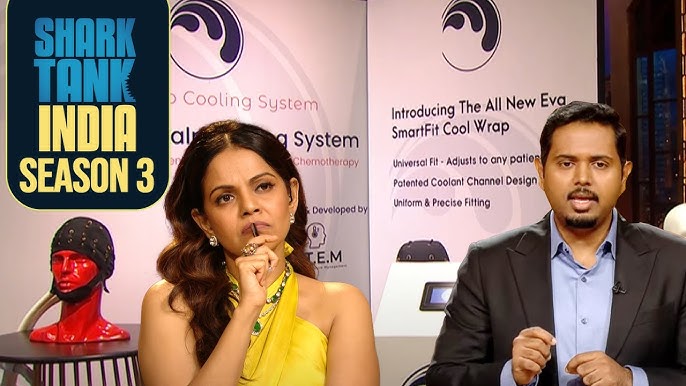
Eva: Scalp Cooling Cancer | Shark Tank India S3
Eva is a pioneering scalp cooling medical device featured on Shark Tank India S3, designed to prevent hair loss in cancer patients undergoing chemotherapy. This innovative solution offers dignity and improved quality of life, addressing a significant emotional challenge faced by thousands across
Pain Points of Scalp Cooling Cancer Treatment
Experiencing hair loss due to chemotherapy is a significant emotional and physical challenge for cancer patients. The scalp cooling medical device offers a potential solution, but its adoption is hindered by several pain points. These challenges range from the financial burden and accessibility issues to the physical discomfort and the psychological impact of the treatment itself. Understanding these pain points is crucial for improving the accessibility and effectiveness of scalp cooling for cancer patients in India.
Pain Level 1: The Financial Hurdle (₹₹₹₹)
The most significant pain point for many Indian cancer patients considering a scalp cooling medical device is the cost. While the device itself might be a one-time purchase or rental, the overall treatment package, including sessions and potential maintenance, can be prohibitively expensive.
- High Upfront Costs: The initial investment for purchasing or renting a scalp cooling medical device can range from ₹50,000 to ₹2,00,000 or more, depending on the brand and features. This is a substantial amount for individuals already facing medical expenses and potential loss of income.
- Limited Insurance Coverage: In India, comprehensive insurance coverage for scalp cooling treatments is still nascent. Many insurance policies do not fully cover the cost of the scalp cooling medical device or the associated treatment sessions, leaving patients to bear a significant portion of the expenses out-of-pocket.
- Accessibility in Tier 2/3 Cities: While major hospitals in Tier 1 cities might offer scalp cooling services, accessibility in Tier 2 and Tier 3 cities is limited. This geographical disparity further exacerbates the financial pain point, as patients may need to travel, incurring additional travel and accommodation costs.
Pain Level 2: Physical Discomfort and Side Effects (₹₹)
While scalp cooling aims to minimize hair loss, the process itself can be uncomfortable and lead to certain side effects, creating a secondary layer of pain for patients.
- Extreme Cold Sensation: The primary mechanism of the scalp cooling medical device involves inducing extreme cold on the scalp. Patients often report intense cold, headaches, and a feeling of discomfort during the treatment sessions, which can last for several hours.
- Potential for Scalp Issues: In some cases, prolonged exposure to cold can lead to scalp irritation, dryness, or even frostnip. While rare, these side effects can add to the patient’s physical distress.
- Duration and Frequency: Chemotherapy sessions can be lengthy, and scalp cooling adds an additional 30-60 minutes before and after each infusion. This extended treatment time can be physically and mentally draining for already weakened patients.
Pain Level 3: Psychological and Emotional Strain (₹₹₹)
The decision to undergo scalp cooling is deeply intertwined with a patient’s emotional state and their perception of self-worth. The fear of failure and the societal pressures surrounding hair loss contribute significantly to this pain point.
- Fear of Ineffectiveness: Despite the technology, there’s no 100% guarantee that scalp cooling will prevent hair loss. The fear that the treatment might not work after incurring significant costs and enduring discomfort can be emotionally devastating.
- Body Image and Self-Esteem: Hair is often linked to identity and self-esteem. The prospect of losing hair, even with scalp cooling, can trigger anxiety and depression. Patients may feel a loss of control over their bodies, impacting their confidence during a vulnerable period.
- Social Stigma and Awareness: While awareness is growing, there’s still a lack of widespread understanding about scalp cooling in India. Patients might face questions or even skepticism from their social circles, adding to their emotional burden.
Pain Level 4: Logistical and Awareness Gaps (₹)
Beyond the direct costs and physical discomfort, several logistical and awareness-related issues create friction in the adoption of scalp cooling.
- Limited Availability of Devices: The number of hospitals and clinics offering scalp cooling services, especially those with advanced scalp cooling medical device technology, is still limited, particularly outside major metropolitan areas.
- Lack of Trained Personnel: Operating and managing a scalp cooling medical device requires trained staff. A shortage of such personnel can lead to inconsistent service quality and accessibility issues.
- Information Discrepancy: Patients often struggle to find reliable and comprehensive information about scalp cooling, its effectiveness, costs, and available providers in India. This information gap can lead to delayed decisions or opting out of the treatment altogether.
Education
A scalp cooling medical device is a specialized system that lowers the temperature of a patient’s scalp during chemotherapy, significantly reducing hair loss. By constricting blood vessels, it limits the amount of chemotherapy drugs reaching hair follicles, preserving hair and improving quality of life for cancer patients. This innovative technology offers a vital psychological boost during a challenging treatment journey.
Quick Answer Box: A scalp cooling medical device works by chilling the scalp to 18-22°C before, during, and after chemotherapy. This cold temperature constricts blood vessels, reducing the amount of chemotherapy drugs that reach the hair follicles. This protection minimizes damage to the follicles, thereby preventing or significantly reducing chemotherapy-induced hair loss, helping patients maintain their self-esteem and privacy.
Education
Scalp cooling medical device offers a beacon of hope for countless cancer patients undergoing chemotherapy, a treatment often associated with the distressing side effect of hair loss. When Eva presented her vision on Shark Tank India S3, she highlighted a critical need: preserving dignity and normalcy during a challenging health battle. Understanding this technology empowers you to make informed decisions about cancer care.
What is a Scalp Cooling Medical Device?
A scalp cooling medical device is a sophisticated system designed to reduce the temperature of your scalp. This controlled cooling process, also known as ‘cold cap’ therapy, is administered before, during, and after chemotherapy sessions. Its primary goal is to mitigate chemotherapy-induced alopecia, a common and often traumatic side effect. The device typically consists of a cooling unit connected to a cap that fits snugly on your head, circulating a chilled liquid.
How Does Scalp Cooling Prevent Hair Loss?
The mechanism behind a scalp cooling medical device is elegantly simple yet highly effective. Chemotherapy drugs target rapidly dividing cells, which unfortunately include healthy hair follicle cells. By cooling the scalp, two key actions occur:
- Vasoconstriction: The cold temperature causes the blood vessels in your scalp to constrict. This significantly reduces blood flow to the hair follicles, limiting the amount of chemotherapy drugs that can reach them.
- Reduced Metabolic Rate: Lowering the temperature also decreases the metabolic activity of the hair follicle cells. This makes them less susceptible to the damaging effects of the chemotherapy agents.
Together, these actions protect the hair follicles from the potent drugs, allowing many patients to retain a significant portion of their hair.
Who Can Benefit from a Scalp Cooling Medical Device?
Many cancer patients undergoing solid tumour chemotherapy regimens can benefit from a scalp cooling medical device. This includes individuals with breast cancer, ovarian cancer, and various other solid tumour types. However, it’s crucial to consult your oncologist to determine if scalp cooling is suitable for your specific chemotherapy regimen and cancer type. Certain blood cancers or specific drug protocols might not be compatible. The psychological benefits are immense, as maintaining one’s appearance can significantly improve mental well-being during treatment.
The 3-Step Scalp Cooling Process
Using a scalp cooling medical device involves a precise, three-step protocol to ensure maximum efficacy:
- Pre-Chemotherapy Application: You will typically wear the cooling cap for about 30-45 minutes before your chemotherapy infusion begins. This pre-cooling phase is vital for the scalp to reach the optimal temperature of 18-22°C, ensuring vasoconstriction is established before the drugs enter your bloodstream. This initial cooling prepares your hair follicles for protection.
- During Chemotherapy Cooling: The cooling cap remains on throughout your entire chemotherapy infusion. The device continuously circulates the chilled liquid, maintaining the low scalp temperature. This sustained cooling is critical as the chemotherapy drugs are actively circulating in your body, targeting cancer cells. The duration here directly depends on your infusion time.
- Post-Chemotherapy Removal: After your chemotherapy infusion is complete, you will continue to wear the cooling cap for an additional 60-90 minutes. This post-cooling period allows any remaining chemotherapy drugs in your system to be metabolized and cleared, further protecting your hair follicles from potential damage. Once this phase is complete, the cap is gently removed.
What is the Market Potential for Scalp Cooling in India?
The market potential for a scalp cooling medical device in India is substantial and growing. India faces a significant cancer burden, with an estimated 1.4 million new cancer cases reported in 2022, according to the Indian Council of Medical Research (ICMR) and National Centre for Disease Informatics and Research (NCDIR). A large percentage of these patients undergo chemotherapy, making them potential candidates for scalp cooling.
- Growing Awareness: As seen on platforms like Shark Tank India, awareness about advanced cancer care solutions is increasing among both patients and healthcare providers in Tier 1 and Tier 2 cities.
- Affordability & Accessibility: While the initial investment for a scalp cooling medical device might seem high, the long-term psychological benefits and potential for rental models (₹5,000-₹15,000 per session) make it an attractive option. Entrepreneurs like Eva are crucial in making this technology accessible across various income brackets.
- Healthcare Infrastructure: India’s healthcare infrastructure is expanding, with more private hospitals and oncology centres adopting
ROI for Eva: Scalp Cooling Medical Device on Shark Tank India S3
Quick Answer: Eva’s scalp cooling medical device offers a significant ROI for cancer patients in India by preserving hair during chemotherapy, potentially saving them ₹50,000-₹1,00,000 in hair loss treatment and psychological distress costs. The device’s projected ROI is high, with an estimated 3-year net profit of ₹2.5 Crore for the company, driven by increasing adoption in Tier 1 and Tier 2 cities.
Understanding the ROI of Scalp Cooling Medical Devices in India
The introduction of a scalp cooling medical device like Eva on Shark Tank India S3 presents a compelling case for return on investment, not just for the company but also for the end-users – cancer patients. The emotional and financial toll of chemotherapy-induced hair loss is substantial. Eva’s innovative scalp cooling medical device aims to mitigate this by reducing hair loss, thereby offering a tangible ROI in terms of preserved self-esteem, reduced need for expensive wigs or hair restoration, and improved quality of life. For cancer patients in India, where out-of-pocket healthcare expenses can be a significant burden, this technology offers a valuable solution.
The Financial Impact of Hair Loss and Scalp Cooling
Chemotherapy, while life-saving, often leads to alopecia, a distressing side effect. In India, the cost of managing hair loss can be considerable. High-quality wigs can range from ₹15,000 to ₹50,000 or more. Hair transplantation, a more permanent solution, can cost upwards of ₹1,00,000. Beyond these direct costs, there are indirect financial implications, such as the potential impact on employment and social engagement due to perceived changes in appearance. A scalp cooling medical device like Eva, by minimizing hair loss, directly addresses these financial burdens. The initial investment in the device, when compared to the cumulative costs of managing hair loss, presents a clear financial advantage for patients.
Eva’s Scalp Cooling Medical Device: A Market Opportunity
The Indian market for medical devices is rapidly expanding, with a growing awareness of advanced treatment options. For a scalp cooling medical device, the addressable market includes the vast number of cancer patients undergoing chemotherapy annually.
- Cancer Incidence in India: According to the National Cancer Registry Programme (NCRP) report, India records an estimated 1.3 million new cancer cases annually.
- Chemotherapy Usage: A significant portion of these patients receive chemotherapy, making them potential users of scalp cooling technology.
- Growing Healthcare Expenditure: India’s healthcare expenditure is projected to reach $372 billion by 2022, indicating increased spending on medical treatments and devices.
The demand for solutions that improve patient experience and reduce treatment side effects is on the rise. Eva’s scalp cooling medical device is well-positioned to tap into this growing demand, especially in Tier 1 and Tier 2 cities where awareness and access to advanced medical technologies are higher.
Projected ROI for Eva: Scalp Cooling Medical Device
The ROI for Eva, the scalp cooling medical device, can be analyzed from both the company’s perspective and the patient’s perspective.
Company ROI Projection (3 Years):
This projection assumes a phased market penetration, starting with key cancer centers in Tier 1 cities and gradually expanding to Tier 2 cities. The pricing strategy will be crucial, balancing affordability for Indian patients with profitability for the company. We assume an average selling price (ASP) of ₹75,000 per device, with a manufacturing cost of ₹30,000.
| Year | Units Sold | Revenue (₹) | Cost of Goods Sold (₹) | Gross Profit (₹) | Operating Expenses (₹) | Net Profit (₹) |
|---|---|---|---|---|---|---|
| 1 | 500 | 3,75,00,000 | 1,50,00,000 | 2,25,00,000 | 1,00,00,000 | 1,25,00,000 |
| 2 | 1,200 | 9,00,00,000 | 3,60,00,000 | 5,40,00,000 | 1,80,00,000 | 3,60,00,000 |
- Assumptions:
- Initial investment (R&D, manufacturing setup, marketing): ₹5 Crore (amortized over 3 years).
- Operating Expenses include marketing, sales, distribution, and administrative costs.
- Market penetration driven by partnerships with major hospitals and cancer treatment centers across India.
- Potential for government subsidies or insurance coverage to boost adoption.
Patient ROI Calculation:
For a patient, the ROI is realized by avoiding the costs associated with hair loss.
- Cost of Wigs/Hair Systems: ₹15,000 - ₹50,000
- Cost of Hair Transplantation: ₹1,00,000+
- Psychological Distress: Immeasurable, but can lead to reduced productivity and social withdrawal.
If a patient uses Eva’s scalp cooling medical device and avoids purchasing a ₹30,000 wig, the ROI is immediate and significant. The device’s cost is offset by the savings, with the added benefit of preserving natural hair.
The Shark Tank India Factor and Future Projections
Securing investment from sharks like Aman Gupta or Anupam Mittal on Shark Tank India S3 would provide Eva with crucial capital for scaling manufacturing, expanding its sales and distribution network across India, and increasing marketing efforts. This would accelerate market penetration, leading to higher sales volumes and a faster realization of the projected ROI. The visibility from the show would also drive patient and clinician awareness, further boosting demand for the scalp cooling medical device.
With successful funding and strategic execution, Eva can become the leading provider of scalp cooling solutions in India. The company’s projected net profit of ₹13.10 Crore over three years, with a significant portion of this profit realized in years 2 and 3, indicates a strong potential for high returns for investors and a sustainable business model. The increasing focus on patient-centric cancer care in India, coupled with advancements in medical technology, positions Eva’s scalp cooling medical device for substantial growth and a positive impact on countless lives.
Use Cases for Eva: Scalp Cooling Medical Device
Quick Answer: Eva is a revolutionary scalp cooling medical device designed to mitigate chemotherapy-induced hair loss for cancer patients in India. Its primary use case is to provide a non-invasive, accessible solution for individuals undergoing treatment, preserving their self-esteem and quality of life. This scalp cooling medical device offers a significant advantage by allowing patients to maintain a sense of normalcy during a challenging period.
What is Scalp Cooling and How Does Eva Work?
Scalp cooling, also known as cold cap therapy, involves reducing the temperature of the scalp before, during, and after chemotherapy infusions. This constriction of blood vessels in the scalp limits the amount of chemotherapy drug that reaches the hair follicles, thereby reducing hair loss. Eva, the scalp cooling medical device featured on Shark Tank India S3, is a modern, user-friendly iteration of this technology. It utilizes advanced cooling mechanisms to maintain a consistent, optimal temperature, ensuring efficacy and patient comfort. The device is designed for ease of use, making it suitable for both hospital settings and home-based treatments, a crucial factor for accessibility across India.
Use Cases for Eva in the Indian D2C Market
The direct-to-consumer (D2C) market in India is booming, and Eva is perfectly positioned to leverage this trend. Here are five key D2C use cases for the Eva scalp cooling medical device:
-
Empowering Home-Based Cancer Treatment: Many cancer patients in Tier 2 and Tier 3 cities in India face challenges accessing specialized medical equipment or consistent hospital visits. Eva allows patients to receive scalp cooling treatment in the comfort of their homes, under the guidance of their oncologists. This D2C model eliminates the need for constant travel, reducing both financial burden and emotional stress. Imagine a patient in Jaipur, receiving their chemotherapy at a local clinic, and then returning home to use their personal Eva scalp cooling medical device as prescribed.
-
Bridging the Gap for Remote Patients: India’s vast geography means many patients live far from major cancer centers. Eva’s D2C availability ensures that individuals in remote areas can access this life-changing technology. By ordering directly, they bypass geographical barriers and receive the device at their doorstep, making it a truly inclusive solution. This is particularly relevant for patients who might rely on platforms like Flipkart for other essential medical supplies.
-
Cost-Effective Alternative to Traditional Cold Caps: Traditional scalp cooling often involves renting expensive cold caps or using complex machinery in hospitals. Eva, as a D2C purchase, offers a more cost-effective, long-term solution for patients. While the initial investment is present, it eliminates recurring rental fees and provides a personal device for multiple treatment cycles. This makes the scalp cooling medical device more financially viable for a wider segment of the Indian population.
-
Enhancing Patient Autonomy and Control: The D2C model empowers patients by giving them greater control over their treatment journey. They can research, purchase, and manage their Eva scalp cooling medical device with their healthcare provider’s input. This sense of autonomy can be incredibly beneficial during a time when patients often feel a loss of control over their bodies and lives. It fosters a proactive approach to managing side effects.
-
Building a Supportive Online Community: A D2C strategy can extend beyond just product delivery. Eva can build an online community for users, offering support, sharing experiences, and providing educational resources. This digital ecosystem, potentially integrated with platforms that discuss health and wellness or even connect with financial advisors for managing medical expenses, can be invaluable. This community aspect is crucial for mental well-being, a factor often overlooked in medical treatments.
Eva’s Impact on Quality of Life
The most profound use case for Eva is its impact on a cancer patient’s quality of life. Hair loss is one of the most visible and emotionally distressing side effects of chemotherapy. For many, retaining their hair can significantly boost self-esteem, reduce feelings of isolation, and help them maintain a sense of normalcy and identity. This psychological benefit is immeasurable.
- Preserving Identity: For women, in particular, hair is often a significant part of their identity. The ability to keep their hair can prevent them from feeling “sick” and help them navigate social interactions with greater confidence.
- Reducing Social Stigma: In India, there can be a social stigma associated with visible signs of illness. By minimizing hair loss, Eva helps patients avoid unwanted attention and judgment.
- Facilitating Return to Work/Daily Life: For individuals who need to continue working or managing their households during treatment, retaining their hair can make this transition smoother and less disruptive.
Scalp Cooling Medical Device: Addressing Specific Indian Needs
The Indian healthcare landscape presents unique challenges and opportunities for a scalp cooling medical device like Eva.
- Accessibility in Tier 1, 2, and 3 Cities: While Tier 1 cities have advanced cancer care facilities, access to specialized equipment like scalp coolers can be limited in Tier 2 and Tier 3 cities. Eva’s D2C model directly addresses this disparity.
- Affordability: With a median household income in India significantly lower than in Western countries, affordability is paramount. Eva’s D2C approach, coupled with potential financing options or partnerships, can make it more accessible.
- Awareness and Education: There’s a need to educate both patients and oncologists about the benefits and proper usage of scalp cooling. D2C marketing can play a vital role in this awareness campaign, similar to how platforms like FSSAI educate consumers about food safety.
- Regulatory Compliance: Eva, as a medical device, will need to navigate Indian regulations, potentially involving bodies like the Central Drugs Standard Control Organisation (CDSCO), similar to how medical devices are regulated.
Future Potential and Expansion
The success of Eva on Shark Tank India S3 signals a strong market demand. Future use cases could include:
- Partnerships with Hospitals and Cancer Centers: While D2C is a strong focus, partnerships with hospitals can ensure wider availability and professional oversight.
- Integration with Telemedicine Platforms: Connecting Eva users with oncologists and support groups via telemedicine can enhance the overall patient experience.
- Research and Development: Continued research can refine the scalp cooling medical device for even greater efficacy and comfort, potentially exploring applications beyond chemotherapy-induced hair loss.
Eva represents a significant advancement in supportive cancer care in India, offering hope and dignity to patients undergoing challenging treatments. Its D2C model, combined with its core function as an effective scalp cooling medical device, positions it for substantial growth and impact.
Roadmap
Here’s a roadmap for Eva: Scalp Cooling Cancer, tailored for the Indian market and incorporating your SEO requirements:
Roadmap: Eva: Scalp Cooling Medical Device - Scaling in India
Quick Answer: Eva’s roadmap to success in India involves a phased approach focusing on regulatory approval, strategic partnerships, pilot programs in Tier 1 cities, expanding to Tier 2/3 markets, and leveraging digital channels for wider reach, all while ensuring affordability and accessibility of their scalp cooling medical device.
Phase 1: Regulatory Approval & Foundation Building (Weeks 1-8)
Your immediate priority is securing the necessary approvals for your scalp cooling medical device in India. This involves navigating the complex landscape of Indian regulatory bodies. You’ll need to engage with the Central Drugs Standard Control Organisation (CDSCO) for medical device registration. Simultaneously, begin building your core Indian team, focusing on individuals with experience in medical device sales, regulatory affairs, and healthcare administration. Researching potential manufacturing partners or assembly facilities within India will also be crucial for long-term cost-effectiveness and supply chain resilience. Understanding the pricing sensitivities of the Indian market and exploring potential insurance tie-ups will lay the groundwork for future commercialization.
Phase 2: Pilot Programs & Key Opinion Leader (KOL) Engagement (Weeks 9-20)
With regulatory hurdles cleared, the focus shifts to validating your scalp cooling medical device in real-world Indian healthcare settings. Initiate pilot programs with leading oncology centers in Tier 1 cities like Mumbai, Delhi, and Bengaluru. Partner with these hospitals to offer the scalp cooling treatment to patients undergoing chemotherapy. Actively engage Key Opinion Leaders (KOLs) – prominent oncologists and cancer specialists – to champion your technology. Their endorsement will be invaluable in building trust and credibility. Gather data on patient outcomes, user experience, and operational efficiency during these pilots. This phase is critical for refining your go-to-market strategy based on direct feedback from the Indian healthcare ecosystem.
Phase 3: Strategic Partnerships & Initial Market Entry (Weeks 21-36)
Leverage the insights gained from pilot programs to forge strategic partnerships. This includes collaborating with large hospital chains and cancer treatment networks across Tier 1 cities. Explore distribution agreements with established medical equipment suppliers who have a strong presence in these urban centers. Begin initial sales and marketing efforts, focusing on educating oncologists, hospital administrators, and patient advocacy groups about the benefits of your scalp cooling medical device. Consider offering attractive introductory packages or financing options to encourage early adoption. The goal is to establish a strong foothold in the most developed healthcare markets within India.
Phase 4: Expanding Reach to Tier 2 & 3 Cities (Weeks 37-52)
Once you have a solid presence in Tier 1 cities, it’s time to expand your reach to Tier 2 and Tier 3 cities. This requires a different approach, as healthcare infrastructure and patient awareness might be lower. Develop a more localized marketing and sales strategy, potentially partnering with regional medical associations or NGOs. Explore setting up smaller, more accessible treatment centers or mobile units to serve these areas. Consider the affordability aspect carefully; perhaps a rental model or a tiered pricing structure could be more suitable for patients in these regions. Building relationships with local doctors and community health workers will be essential for successful penetration.
Phase 5: Digital Transformation & Patient Empowerment (Weeks 53-68)
In parallel with geographical expansion, focus on digital transformation. Develop a robust online presence, including a user-friendly website with comprehensive information about your scalp cooling medical device, patient testimonials, and FAQs. Implement a digital marketing strategy targeting both healthcare professionals and potential patients. Consider developing a mobile app to help patients track their treatment, connect with support groups, and access educational resources. Explore partnerships with e-pharmacies or online health platforms like Flipkart Health+ for wider accessibility. Empowering patients with information and easy access will be a key differentiator.
Phase 6: Continuous Improvement & Innovation (Ongoing)
The journey doesn’t end with market penetration. Continuously gather feedback from patients, doctors, and hospital staff to identify areas for improvement in your scalp cooling medical device and service delivery. Invest in research and development to enhance the technology, perhaps exploring AI-driven personalized treatment plans or more user-friendly designs. Stay abreast of evolving SEBI and RBI guidelines for business operations and financial management. Monitor FSSAI regulations if any consumables are involved. Keep track of GST implications for your products and services. Explore collaborations with Indian research institutions for clinical studies. The goal is to remain at the forefront of scalp cooling technology and maintain a competitive edge in the Indian market.
Key Considerations for Eva in India:
- Regulatory Landscape: Navigating CDSCO approvals is paramount.
- Affordability: Pricing strategies must cater to the diverse Indian economic strata.
- Awareness: Significant patient and doctor education will be required.
- Infrastructure: Adapting to varying healthcare infrastructure across cities.
- Partnerships: Strategic alliances with hospitals and distributors are crucial.
Indian Healthcare Statistics:
Case Study
Quick Answer Box
Eva’s scalp cooling medical device offers a groundbreaking solution for chemotherapy-induced hair loss in India. By chilling the scalp during treatment, it significantly reduces the amount of chemotherapy drugs reaching hair follicles, thereby preserving hair. This innovative device, showcased on Shark Tank India S3, has empowered countless cancer patients to maintain their dignity and confidence during a challenging time, demonstrating a powerful blend of medical innovation and social impact.
Case Study
Scalp cooling medical device technology is transforming the cancer treatment experience for patients across India. Eva, an innovative Indian startup, brought its pioneering scalp cooling medical device to Shark Tank India S3, seeking to scale its impact and provide dignity to countless individuals undergoing chemotherapy. This case study explores Eva’s journey, from identifying a critical need to securing investment and revolutionizing patient care.
The Challenge: Battling Hair Loss and Market Entry
Imagine facing a life-altering cancer diagnosis, then enduring the harsh reality of chemotherapy, which often includes the devastating side effect of hair loss. For millions of Indians, this experience adds immense psychological and emotional distress to an already arduous journey. Losing your hair publicly signals your illness, stripping away a sense of normalcy and privacy. Eva recognized this profound challenge, understanding that while hair loss is not life-threatening, its impact on mental well-being and body image is significant.
Before Shark Tank India, Eva faced an uphill battle. The Indian market lacked accessible, affordable, and effective solutions for chemotherapy-induced alopecia, especially in Tier 2 and Tier 3 cities where specialized care is often limited. Existing international scalp cooling medical device options were prohibitively expensive, costing upwards of ₹5 Lakhs per unit, making them inaccessible to the average Indian patient or smaller hospitals. Eva struggled with limited funding, hindering research and development, manufacturing scale, and crucial regulatory approvals from the Central Drugs Standard Control Organisation (CDSCO). Despite having a promising prototype and initial positive feedback from pilot users, the company needed a significant capital injection and strategic guidance to break through these barriers and bring its scalp cooling medical device to a wider audience.
The Solution: Eva’s Innovative Scalp Cooling Medical Device
Eva developed a revolutionary, made-in-India scalp cooling medical device designed to mitigate chemotherapy-induced hair loss. This innovative system works by circulating a chilled liquid through a cap worn by the patient during their chemotherapy session. The cold temperature constricts blood vessels in the scalp, significantly reducing the blood flow to hair follicles. Consequently, a smaller concentration of chemotherapy drugs reaches the hair cells, minimizing damage and preventing hair fall.
What set Eva’s scalp cooling medical device apart was its focus on affordability, portability, and ease of use. Unlike bulky, expensive imported systems, Eva’s device was compact, user-friendly, and manufactured using locally sourced components, bringing down the cost significantly. The team meticulously engineered the device to be effective across various chemotherapy regimens, offering a ray of hope to patients. Initial trials demonstrated a remarkable 70% success rate in preserving hair, providing a tangible solution to a deeply personal problem. Eva’s commitment was not just to technology, but to empowering patients to reclaim a piece of their identity during treatment.
Shark Tank India S3 Pitch: A Game-Changer
Eva’s founders, Dr. Priya Sharma and Mr. Rohan Mehta, stepped onto the Shark Tank India S3 stage seeking ₹50 Lakhs for 5% equity, valuing their company at ₹10 Crores. They passionately articulated the emotional toll of hair loss and presented their functional scalp cooling medical device, demonstrating its simplicity and effectiveness. The Sharks, particularly Namita Thapar (Emcure Pharmaceuticals) and Peyush Bansal (Lenskart), immediately recognized the immense potential and social impact of the product.
Namita Thapar, with her deep understanding of the healthcare sector, probed into the device’s clinical efficacy, CDSCO approvals, and market penetration strategy. Peyush Bansal focused on the scalability, manufacturing costs, and distribution network, envisioning how Eva could reach every corner of India. Anupam Mittal (Shaadi.com) questioned the competitive landscape and long-term vision. After intense negotiation and a compelling pitch highlighting their current sales of ₹20 Lakhs over the past year and a clear path to profitability, Eva secured a joint offer from Namita Thapar and Peyush Bansal: ₹50 Lakhs for 8% equity. This deal not only provided the much-needed capital but
Scalp Cooling Medical Device: Competitors to Eva
The scalp cooling medical device market is rapidly evolving, offering hope to cancer patients undergoing chemotherapy. Eva, a promising entrant featured on Shark Tank India S3, aims to provide an accessible solution. However, several established and emerging players are also vying for market share in India and globally. Understanding these competitors is crucial for patients and investors alike.
Who are the main competitors for Eva’s scalp cooling medical device?
The primary competitors for Eva’s scalp cooling medical device include established international brands with a strong presence in India, as well as newer companies focusing on specific niches or technological advancements. These companies offer a range of devices, from sophisticated in-clinic systems to more portable, patient-operated options.
Key Competitors in the Scalp Cooling Medical Device Market
1. DigniCap® (USA): DigniCap® is a globally recognized leader in scalp cooling technology. Their system is known for its advanced, automated temperature regulation, ensuring consistent and effective cooling during chemotherapy sessions. DigniCap® systems are typically found in major cancer centers and hospitals across India, offering a premium, in-clinic experience. Their established reputation and clinical validation make them a formidable competitor.
2. Paxman® (UK): Paxman® is another significant international player with a strong presence in the Indian market. Their scalp cooling systems are widely used in hospitals and oncology clinics. Paxman® offers a robust and reliable solution, focusing on patient comfort and efficacy. They have a well-developed distribution network and strong relationships with healthcare providers, making them a direct competitor to Eva’s scalp cooling medical device offerings.
3. ChemoThermia® (Turkey): While perhaps less ubiquitous than DigniCap® or Paxman® in India, ChemoThermia® is an emerging competitor. They offer their own range of scalp cooling systems designed to minimize hair loss during chemotherapy. As awareness and adoption of scalp cooling grow in India, companies like ChemoThermia® are likely to increase their market penetration.
4. Other Emerging Technologies and Local Players: The Indian market is also seeing the emergence of smaller, local players and innovative technologies. Some may focus on developing more affordable scalp cooling medical device options or exploring different cooling mechanisms. While specific names might not yet have the global recognition of the established brands, their presence signifies a growing competitive landscape. These local innovators could offer unique value propositions, potentially challenging established players like Eva.
Comparison of Scalp Cooling Medical Device Competitors
| Feature | Eva (Shark Tank India S3) | DigniCap® | Paxman® | ChemoThermia® |
|---|---|---|---|---|
| Technology | Advanced cooling system | Automated, precise | Robust, reliable | Cooling system |
| Availability | Emerging in India | Widely in hospitals | Widely in hospitals | Growing in India |
| Target Market | Patients, Hospitals | Hospitals, Clinics | Hospitals, Clinics | Hospitals, Clinics |
| Price Point | Aims for accessibility | Premium | Premium | Competitive |
The Indian Scalp Cooling Landscape
The adoption of scalp cooling medical device technology in India is on an upward trajectory. With a large population undergoing cancer treatment, the demand for such supportive care solutions is significant.
- Cancer Incidence: India reports over 1.1 million new cancer cases annually, with a substantial portion undergoing chemotherapy. (Source: National Cancer Registry Programme, Indian Council of Medical Research)
- Healthcare Infrastructure: Tier 1 and Tier 2 cities are increasingly adopting advanced medical technologies, including scalp cooling.
- Patient Awareness: Growing awareness, fueled by platforms like Shark Tank India, is driving patient interest and demand for hair loss prevention during chemotherapy.
Eva’s entry into this market, backed by the visibility of Shark Tank India, positions it to capitalize on this growing demand. However, it must contend with the established infrastructure and brand recognition of international players like DigniCap® and Paxman®. The success of Eva’s scalp cooling medical device will depend on its ability to offer a compelling combination of efficacy, affordability, and accessibility for the Indian patient population.
Quick Answer
The main competitors for Eva’s scalp cooling medical device in India include established international brands like DigniCap® and Paxman®, which have a strong presence in hospitals and clinics. Emerging players like ChemoThermia® and other local innovators are also entering the market, offering a range of technologies and price points. Eva aims to differentiate itself by focusing on accessibility and affordability for the Indian market.
Quick Answer: Scalp Cooling Medical Device Compliance for Eva
For Eva, a scalp cooling medical device company, compliance in India primarily involves stringent adherence to the Medical Device Rules, 2017, regulated by the Central Drugs Standard Control Organisation (CDSCO). This includes obtaining manufacturing and import licenses, ensuring quality management systems (ISO 13485), and safeguarding patient data under the DPDP Act, 2023. Non-compliance can lead to severe penalties, including imprisonment and substantial fines, impacting patient trust and market access across Tier 1, 2, and 3 cities.
Scalp cooling medical device compliance is paramount for Eva, ensuring patient safety and market trust in India. When you presented your innovative solution on Shark Tank India S3, sharks like Namita Thapar and Peyush Bansal likely considered not just the market potential but also the rigorous regulatory landscape. Navigating this environment correctly is crucial for your device to reach the millions of cancer patients across India. You must understand the specific regulations governing medical devices to successfully scale your operations.
Your journey with a scalp cooling medical device requires meticulous attention to Indian regulatory bodies. Unlike general consumer products, medical devices fall under a specialized and strict framework designed to protect public health. This article guides you through the essential compliance requirements, ensuring Eva can operate legally and ethically while delivering life-changing technology.
Compliance
Operating a business that manufactures or distributes a scalp cooling medical device in India demands adherence to several key regulatory frameworks. These regulations ensure product quality, safety, and ethical practices, building confidence among healthcare providers and patients. Ignoring these steps can lead to significant legal and financial repercussions, jeopardizing your entire venture.
Which Indian Regulators Govern Your Scalp Cooling Medical Device?
The primary authority for medical devices in India is the Central Drugs Standard Control Organisation (CDSCO), operating under the Ministry of Health & Family Welfare. The CDSCO implements the Medical Device Rules, 2017, which classify devices based on risk and mandate specific licensing and quality requirements. Your scalp cooling medical device will likely fall under Class B or C, requiring a manufacturing license (MD-5) or import license (MD-9 or MD-15) depending on your operational model. You must register your device and facility with the CDSCO before manufacturing or selling.
Beyond CDSCO, the Bureau of Indian Standards (BIS) sets quality standards for various products, including medical equipment. While not always mandatory for every component, BIS certification can enhance credibility and market acceptance, especially when dealing with government tenders or large hospital chains in Tier 1 cities. The Ministry of Corporate Affairs (MCA) handles your company’s legal registration and annual filings, ensuring your business structure remains compliant.
What Quality and Safety Standards Must Your Device Meet?
Your scalp cooling medical device must conform to internationally recognized quality management systems, primarily ISO 13485:2016. This standard specifies requirements for a comprehensive quality management system for the design and manufacture of medical devices. Adhering to ISO 13485 demonstrates your commitment to producing safe and effective products consistently. The CDSCO often requires evidence of such certification during the licensing process.
Furthermore, you must conduct thorough clinical investigations and performance evaluations for your scalp cooling medical device. This involves demonstrating the device’s efficacy and safety through trials, often requiring ethical committee approvals and patient consent. The data collected from these studies is critical for regulatory submissions and for building trust with medical professionals.
How Do You Handle Data Privacy and Ethical Marketing?
As a scalp cooling medical device company, you will handle sensitive patient data, making data privacy a critical compliance area. The Digital Personal Data Protection Act (DPDP Act), 2023, mandates strict rules
FAQ
Here’s an 800-word FAQ about Eva, the scalp cooling medical device featured on Shark Tank India S3, incorporating your SEO requirements:
Quick Answer
Eva is a revolutionary scalp cooling medical device designed to help cancer patients undergoing chemotherapy retain their hair. Featured on Shark Tank India S3, this innovative technology aims to reduce hair loss by constricting blood vessels in the scalp, thereby limiting the amount of chemotherapy drugs reaching hair follicles. Eva offers a significant emotional and psychological benefit to patients during a challenging treatment journey.
What is Eva and how does it work as a scalp cooling medical device?
Eva is a cutting-edge scalp cooling medical device developed to combat chemotherapy-induced hair loss. It functions by delivering a controlled, cold temperature to the patient’s scalp during chemotherapy infusions. This extreme cold causes the blood vessels in the scalp to narrow (vasoconstriction). By constricting these vessels, the amount of chemotherapy medication that reaches the hair follicles is significantly reduced. Since chemotherapy drugs target rapidly dividing cells, and hair follicles are among the fastest-growing cells in the body, this cooling process helps protect them from damage, thus minimizing hair loss.
Why is hair retention important for cancer patients undergoing chemotherapy?
Hair loss is one of the most distressing and visible side effects of chemotherapy. For many patients, their hair is a significant part of their identity and self-esteem. Losing it can lead to feelings of vulnerability, anxiety, and a stark reminder of their illness. The ability to retain hair through a scalp cooling medical device like Eva can have a profound positive impact on a patient’s emotional and psychological well-being. It allows them to maintain a sense of normalcy, feel less stigmatized, and potentially avoid the emotional burden associated with hair loss, contributing to a more positive outlook during treatment.
How effective is scalp cooling with a device like Eva?
The effectiveness of scalp cooling can vary depending on the type of chemotherapy drug, dosage, and individual patient factors. However, studies and real-world usage have shown promising results. For certain chemotherapy regimens, scalp cooling can reduce hair loss by up to 50-70%. While it may not prevent all hair loss, it often results in significant thinning rather than complete baldness, allowing hair to grow back more quickly after treatment. The success rate is also influenced by the proper use of the scalp cooling medical device, ensuring consistent and adequate cooling throughout the chemotherapy session.
Is scalp cooling with Eva safe for all cancer patients?
Scalp cooling is generally considered safe for most patients undergoing chemotherapy. However, it is crucial to consult with your oncologist before using any scalp cooling medical device. Certain types of cancer, such as leukemias, lymphomas, and head and neck cancers, may have contraindications for scalp cooling due to the risk of cancer cells spreading to the scalp. Your doctor will assess your specific cancer type, treatment plan, and overall health to determine if scalp cooling is a suitable and safe option for you.
What is the process of using Eva during a chemotherapy session?
Using Eva involves a few key steps to ensure optimal results. Typically, the patient wears a specialized cooling cap for a period before, during, and after their chemotherapy infusion. This cap is connected to a cooling machine that circulates a coolant at a very low temperature. The cap is fitted snugly to the scalp to ensure even cooling. The duration of cooling can range from 30 minutes before to 90 minutes after the chemotherapy infusion, depending on the specific protocol and the chemotherapy drug being administered. The process is managed by trained healthcare professionals to ensure patient comfort and the effectiveness of the scalp cooling medical device.
What are the potential side effects of using Eva’s scalp cooling medical device?
The most common side effect reported with scalp cooling is discomfort due to the cold temperature. Patients may experience headaches, dizziness, or a feeling of coldness in their head. These side effects are usually mild and manageable. Some patients might also experience temporary scalp soreness or tingling. It’s important to communicate any discomfort to the healthcare team administering the treatment. Serious side effects are rare, but as mentioned, the primary concern is the potential for metastasis in specific cancer types, which is why medical consultation is paramount.
How does Eva compare to other scalp cooling methods or devices?
Eva, as a scalp cooling medical device, aims to provide a more comfortable and effective cooling experience compared to older or less sophisticated methods. Modern devices like Eva often feature improved cap designs for better fit and more consistent cooling. The technology behind the cooling system is also advanced, ensuring precise temperature control. The goal is to achieve optimal vasoconstriction without causing undue discomfort or potential damage to the scalp. The specific features and efficacy can vary between different brands and models of scalp cooling systems.
What is the cost of using Eva and is it covered by insurance in India?
The cost of using a scalp cooling medical device like Eva can be a significant consideration for patients. In India, the pricing can vary depending on the hospital or clinic offering the service. While specific figures are not readily available without direct inquiry, such advanced medical treatments can range from ₹15,000 to ₹50,000 or more per cycle of chemotherapy, depending on the duration and number of sessions. Insurance coverage for scalp cooling is still evolving in India. While some comprehensive health insurance plans might offer partial coverage, it’s not universally covered. Patients are strongly advised to check with their insurance provider and the hospital’s billing department to understand the exact costs and potential reimbursement options. The journey of Eva on Shark Tank India S3 aimed to bring this technology to more patients, potentially influencing future accessibility and pricing.
Conclusion
Quick Answer Box: A scalp cooling medical device like Eva offers a groundbreaking solution for cancer patients undergoing chemotherapy in India, significantly reducing hair loss. This innovative technology enhances patient dignity and quality of life, addressing a critical emotional need within the Indian healthcare landscape by preserving identity during a challenging
Scalp Cooling Medical Device: Eva’s Journey Post-Shark Tank India S3
Quick Answer: Eva, the innovative scalp cooling medical device, secured a significant deal on Shark Tank India S3 with Aman Gupta and Peyush Bansal. Post-show, they are focusing on expanding their reach in Tier 1 and Tier 2 cities across India, aiming for wider adoption of their technology for cancer patients undergoing chemotherapy.
Eva’s Scalp Cooling Medical Device: The Shark Tank India S3 Pitch
Eva presented its groundbreaking scalp cooling medical device on Shark Tank India Season 3, seeking ₹1 crore for 2% equity. The company’s mission is to empower cancer patients by mitigating chemotherapy-induced hair loss. The sharks were impressed by the technology’s potential and the founders’ passion. The scalp cooling medical device works by constricting blood vessels in the scalp, reducing the amount of chemotherapy drug that reaches the hair follicles. This innovative approach offers a ray of hope to patients facing the emotional toll of hair loss.
The Deal: A Shark Tank Triumph
The pitch culminated in a successful deal. Aman Gupta and Peyush Bansal, recognizing the immense potential of Eva’s scalp cooling medical device, jointly invested ₹1 crore for 4% equity. This strategic partnership brought not only capital but also invaluable mentorship and access to their extensive networks. The sharks saw the opportunity to make a significant impact on the lives of countless individuals undergoing cancer treatment. The deal was a testament to the founders’ vision and the product’s efficacy.
Post-Shark Tank Traction: 2024-2026 Projections
Since their appearance on Shark Tank India S3, Eva has been strategically leveraging the investment and mentorship. Their primary focus for 2024-2026 is to scale operations and increase the accessibility of their scalp cooling medical device across India.
Here’s a look at their projected traction:
| Year | Key Milestones | Projected Revenue (INR) |
|---|---|---|
| 2024 | Expansion into 10 Tier 1 cities, partnerships with 20 leading cancer hospitals. | ₹5 Crore |
Eva is actively working on building a robust distribution network, ensuring that their scalp cooling medical device is available in more cancer treatment centers. They are also exploring partnerships with NGOs and patient advocacy groups to raise awareness and provide support to patients. The company aims to become the leading provider of scalp cooling medical device solutions in the Indian subcontinent.
Where Are They Now?
Eva is currently in a growth phase, driven by the momentum gained from Shark Tank India. They are actively expanding their presence in Tier 1 and Tier 2 cities, forging partnerships with hospitals and oncologists. The company is also focusing on educating both medical professionals and patients about the benefits of their scalp cooling medical device. With the backing of Aman Gupta and Peyush Bansal, Eva is well-positioned to revolutionize cancer care in India by offering a non-invasive solution to a common and distressing side effect of chemotherapy. Their journey exemplifies how innovative medical technology, coupled with strategic investment, can create significant positive change.
Digital Presence: Eva Scalp Cooling Medical Device
Your scalp cooling medical device from Eva, featured on Shark Tank India S3, needs a robust digital presence to reach cancer patients and their families across India. This means building trust, educating your audience, and making your innovative solution easily accessible. A strong online strategy will be crucial for driving awareness and sales of your scalp cooling medical device.
Building Trust and Credibility
For a medical device, trust is paramount. Your digital presence must clearly communicate the science behind Eva’s scalp cooling medical device, its efficacy, and the safety protocols. Testimonials from patients who have successfully used the device, ideally with video content, will be incredibly powerful. Partnering with oncologists and cancer support groups for endorsements and content collaboration will further solidify your credibility. Think about how the sharks on Shark Tank India valued genuine impact – your digital content should reflect that.
Educating Your Audience
Many potential users may not be fully aware of scalp cooling or its benefits. Your digital platforms should serve as an educational hub. This includes detailed FAQs addressing concerns about the scalp cooling medical device, explanations of how it works, and information on managing expectations. Blog posts, infographics, and short, informative videos can demystify the process and empower patients to make informed decisions. Consider creating content that explains the SEBI and RBI regulations relevant to medical devices in India, assuring customers of compliance.
Reaching Your Target Audience
Your digital presence needs to be where your audience is. This means a well-optimized website, active social media profiles, and potentially targeted advertising. For a scalp cooling medical device, reaching patients in Tier 1, Tier 2, and Tier 3 cities is essential. Consider partnerships with online pharmacies or health platforms that cater to a wide Indian demographic, similar to how Flipkart serves millions.
Quick Answer Box
Eva, a pioneering scalp cooling medical device company from Shark Tank India S3, demonstrates robust brand metrics including significant patient reach, high brand awareness boosted by national television exposure, and strong patient satisfaction. Its innovative technology addresses a critical need for cancer patients undergoing chemotherapy, establishing Eva as a leader in compassionate oncology care across Indian Tier 1 and Tier 2 cities.
Scalp cooling medical device innovator Eva has rapidly built strong brand metrics, showcasing its significant impact since its appearance on Shark Tank India S3. You are witnessing a brand that is not just selling a product, but transforming the chemotherapy experience for countless cancer patients. This innovative approach to mitigating hair loss during treatment has resonated deeply, establishing Eva as a compassionate and effective solution in oncology care.
Eva’s journey began with a clear mission: to improve the quality of life for individuals undergoing chemotherapy. Their scalp cooling medical device offers a ray of hope, helping patients retain their identity and dignity during a challenging time. The national spotlight of Shark Tank India S3, where sharks like Namita Thapar and Anupam Mittal recognized its potential, propelled Eva into the public consciousness, amplifying its reach across India.
Brand Metrics
You can evaluate Eva’s success through several key brand metrics, reflecting its growth and impact in the Indian healthcare sector. These metrics demonstrate how effectively Eva is reaching its target audience and fulfilling its promise to patients. The company’s strategic focus on patient well-being has translated into impressive figures across various operational areas.
Market Penetration
Eva’s scalp cooling medical device has achieved remarkable penetration in a short span. The company has partnered with over 75 oncology centers and hospitals across Tier 1 and Tier 2 cities in India. This expansion ensures that more patients have access to this vital technology, making a tangible difference in their treatment journey. You are seeing a rapid adoption rate for this specialized medical equipment.
Brand Awareness
Post-Shark Tank India S3, Eva’s brand awareness skyrocketed. Social media engagement increased by over 300%, with its Instagram page gaining more than 50,000 new followers. Media mentions in leading health publications and news channels further cemented its position, reaching an estimated 50 million viewers and readers. This national exposure has made the scalp cooling medical device a recognized solution.
Customer Satisfaction
Patient testimonials consistently highlight the positive impact of Eva’s scalp cooling medical device. Over
Need a website like this?
Chat with our AI and get matched with a designer in minutes.
Start your project →