
BoreCharger: Water Recharge | Shark Tank India S4
BoreCharger: Water Recharge | Shark Tank India S4. Learn about rainwater harvesting tech on HonestWebs.
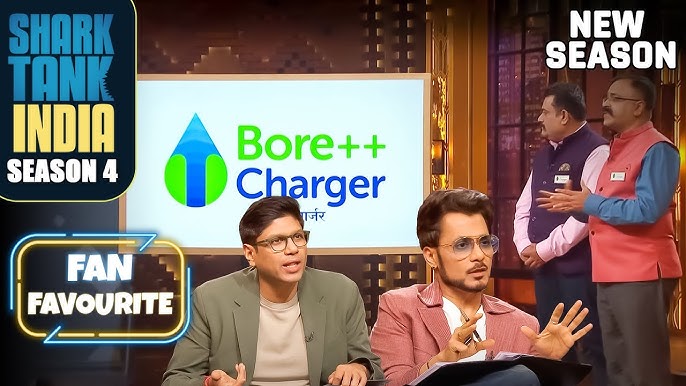
BoreCharger: Water Recharge | Shark Tank India S4
BoreCharger offers innovative rainwater harvesting tech that efficiently recharges borewells, directly addressing India’s critical groundwater depletion. This solution promises sustainable water management for homes, farms, and communities across Tier 1, Tier 2, and Tier 3 cities, ensuring water security and environmental resilience.
Quick Answer: What is BoreCharger?
BoreCharger is an innovative **rainwater harvesting tech** product featured on Shark Tank India S4. It provides a simple, cost-effective solution to recharge depleted borewells by channeling rainwater directly into the ground, combating water scarcity across India.Rainwater harvesting tech is no longer a niche concept; it’
Pain Points of BoreCharger: Water Recharge | Shark Tank India S4
Are you tired of the constant worry about dwindling groundwater levels and the ever-increasing water bills? BoreCharger’s innovative rainwater harvesting tech aims to solve these critical issues, but understanding the depth of the problem is crucial. Let’s explore the pain points that BoreCharger addresses, from minor inconveniences to severe crises.
Level 1: The Annoying Drip - Minor Water Scarcity
Even in areas with seemingly adequate water supply, you might experience minor inconveniences. This could be fluctuating water pressure, especially during peak hours, or the need to constantly monitor your overhead tank levels. You might find yourself rationing water for car washes or garden watering, a small but persistent annoyance. This is where basic rainwater harvesting tech can offer a supplementary source, reducing reliance on municipal supply for non-potable uses.
Level 2: The Rising Bill - Financial Strain
As water scarcity intensifies, so do your water bills. You might notice a steady increase in your monthly expenses, forcing you to cut back on other discretionary spending. This financial strain can be particularly burdensome for households in Tier 2 and Tier 3 cities where incomes might be lower. The cost of water, both from municipal sources and private tankers, is a growing concern. Implementing rainwater harvesting tech can significantly offset these costs over time, offering a sustainable financial solution.
Level 3: The Empty Tap - Moderate Water Crisis
This is when the problem becomes undeniable. You might face scheduled water cuts, leaving your taps dry for extended periods. The need to purchase expensive water tankers becomes a regular occurrence, adding significant financial pressure and logistical challenges. You might have to plan your daily activities around water availability, impacting your lifestyle and productivity. The reliance on external water sources becomes a constant source of stress.
Level 4: The Dry Borewell - Severe Water Emergency
The most severe pain point is the complete failure of your primary water source, like a dry borewell. This is a crisis situation, especially for homes and communities heavily reliant on groundwater. The cost of drilling new borewells or deepening existing ones can be astronomical, often running into lakhs of rupees. Furthermore, there’s no guarantee of finding water, leading to wasted investment and continued desperation. This is the ultimate problem that advanced rainwater harvesting tech, like BoreCharger’s solution, aims to prevent by replenishing groundwater sources effectively.
Comparison of Water Solutions
| Solution | Initial Cost (₹) | Ongoing Cost (₹) | Water Reliability | Environmental Impact |
|---|---|---|---|---|
| Municipal Supply | Low (often subsidized) | Moderate (monthly bills) | Variable (can be unreliable) | High (treatment & distribution) |
| Water Tankers | High (per tanker) | High (frequent purchases) | High (if available) | Moderate (transportation) |
Note: Costs are indicative and can vary based on system size, location, and specific installation requirements.
Quick Answer:
BoreCharger’s rainwater harvesting tech addresses the escalating problem of water scarcity in India by providing a sustainable and cost-effective solution. The pain points range from minor inconveniences like fluctuating water pressure (Level 1) and rising water bills (Level 2) to more severe crises like scheduled water cuts (Level 3) and completely dry borewells (Level 4). By effectively capturing and recharging rainwater, BoreCharger helps reduce reliance on expensive and unreliable water sources, offering long-term financial savings and environmental benefits.
Indian Water Statistics:
- India’s per capita water availability is projected to decline significantly by 2050, highlighting the urgency of water conservation. (Source: NITI Aayog)
- Over 60% of India’s districts are facing a critical or over-exploited groundwater situation. (Source: Central Ground Water Board)
- The cost of water tankers in many Indian cities can range from ₹1,000 to ₹3,000 per tanker, a substantial expense for households. (Source: Various local news reports)
Education
Rainwater harvesting tech like BoreCharger revitalizes depleted borewells by filtering and directing rainwater into underground aquifers, significantly boosting groundwater levels. This innovative system offers a sustainable, cost-effective solution to India’s escalating water crisis, ensuring water security for communities and agriculture across various regions.
Education
Rainwater harvesting tech stands as a critical solution for India’s growing water challenges. Imagine a future where every drop of rain contributes to replenishing our precious groundwater, rather than simply flowing away. This is the promise of BoreCharger, an innovative system poised to make a significant impact, potentially catching the eye of investors on Shark Tank India S4. You are about to discover how this ingenious rainwater harvesting tech can transform water management across the nation.
Why is Rainwater Harvesting Tech Crucial for India?
India faces a severe water crisis, with millions lacking access to safe drinking water and agriculture heavily reliant on groundwater. Over-extraction has led to rapidly declining water tables, especially in Tier 1 and Tier 2 cities like Bengaluru and Chennai, and vast rural areas. This unsustainable practice threatens livelihoods, food security, and public health. Implementing effective rainwater harvesting tech becomes not just an option, but a necessity for survival and sustainable development.
According to the Central Ground Water Board (CGWB), approximately 17% of India’s groundwater assessment units are “over-exploited,” meaning extraction exceeds recharge. (Source: CGWB, 2017). This alarming statistic underscores the urgent need for solutions like BoreCharger.
What Exactly is BoreCharger? The Innovative Rainwater Harvesting Tech
BoreCharger is a cutting-edge rainwater harvesting tech designed to recharge defunct or underperforming borewells directly with filtered rainwater. Unlike traditional, often inefficient methods, BoreCharger offers a structured, scientific approach to groundwater replenishment. It leverages existing borewell infrastructure, making it a highly adaptable and cost-effective solution for both urban and rural settings. This system ensures that collected rainwater is clean and free of contaminants before it enters the aquifer.
How Does BoreCharger Work? The 3-Step Process
BoreCharger simplifies groundwater recharge through an efficient, three-step process, making this rainwater harvesting tech accessible and effective.
- Collection: You first collect rainwater from rooftops or other impermeable surfaces. This water flows into a primary collection chamber, often a simple tank or pit. This initial step captures thousands of litres of water that would otherwise go to waste during monsoon seasons.
- Filtration: The collected water then passes through BoreCharger’s multi-stage filtration unit. This unit removes suspended particles, silt, and other impurities, ensuring only clean water enters the borewell. The filtration system is designed for minimal maintenance and maximum efficiency, crucial for long-term operation.
- Recharge: Finally, the filtered water is directed into the borewell, where it percolates down to recharge the underground aquifer. This direct injection significantly boosts groundwater levels, revitalizing depleted borewells and ensuring a sustainable water supply. This entire process exemplifies smart rainwater harvesting tech.
What are the Benefits of BoreCharger for Indian Communities?
Implementing BoreCharger’s rainwater harvesting tech offers a multitude of benefits across India. For farmers, it means more reliable water for irrigation, leading to better crop yields and increased income. Urban residents in Tier 1 and Tier 2 cities can experience reduced dependence on expensive tanker water and a lower risk of water scarcity. This system directly addresses the economic burden of water scarcity.
Consider the financial impact: a household spending ₹2,000 per month on tanker water could save ₹24,000 annually by adopting BoreCharger. Furthermore, replenished groundwater can mitigate the effects of drought, providing crucial resilience to communities. The system also reduces energy consumption associated with pumping water from deeper levels.
| Benefit Category | Specific Advantage | Impact on India |
|---|---|---|
| Economic | Reduced water bills | Saves ₹ thousands for households/businesses |
| Environmental | Groundwater replenishment | Mitigates water scarcity, improves ecosystem health |
Could BoreCharger Impress the Sharks on Shark Tank India S4?
When BoreCharger steps onto the Shark Tank India S4 stage, the sharks will undoubtedly look for scalability, profitability, and impact. Peyush Bansal might appreciate the innovative engineering and potential for widespread adoption. Namita Thapar could see the massive social and environmental impact, especially in rural health and sustainability. Aman Gupta would likely scrutinize the business model and marketing strategy for this rainwater harvesting tech. The potential for BoreCharger to be a game-changer in India’s water sector, with its clear ROI and sustainable mission, could make it a very attractive investment.
What is the Future of Rainwater Harvesting Tech in India?
The future of rainwater harvesting tech in India is bright, with increasing awareness and government support. Initiatives like the ‘Jal Shakti Abhiyan’ emphasize water conservation and groundwater recharge. BoreCharger aligns perfectly with these national goals, offering a practical and scalable solution. Imagine this system installed in every school, apartment complex, and farm across the country
ROI: BoreCharger - Revolutionizing Rainwater Harvesting Tech in India
Are you looking for a sustainable and profitable investment in India’s burgeoning water sector? BoreCharger, a groundbreaking rainwater harvesting tech featured on Shark Tank India S4, offers a compelling opportunity to generate significant returns while addressing a critical national need. This innovative solution directly recharges groundwater, combating water scarcity in urban and rural areas alike. Imagine a future where every building contributes to replenishing our precious aquifers. BoreCharger makes this a reality, and your investment can be a part of this impactful change.
Understanding BoreCharger’s Value Proposition
BoreCharger’s rainwater harvesting tech is designed for seamless integration with existing borewells and rooftops. It captures rainwater, filters it, and directly injects it into the ground, bypassing evaporation and surface runoff. This ensures maximum water replenishment, a stark contrast to traditional methods. The system is built for durability and low maintenance, making it an attractive proposition for homeowners, commercial establishments, and even agricultural users across India. The potential market is vast, spanning Tier 1, Tier 2, and Tier 3 cities grappling with declining groundwater levels.
Market Opportunity and Demand for Rainwater Harvesting Tech
India faces a severe water crisis, with groundwater depletion being a major concern. Government initiatives, like those promoted by the Ministry of Jal Shakti, and regulations from bodies like the Central Ground Water Authority (CGWA), are increasingly mandating or encouraging rainwater harvesting. This creates a fertile ground for innovative solutions like BoreCharger. The demand for effective rainwater harvesting tech is projected to surge as awareness grows and water becomes a more valuable commodity. Consider the impact of a single successful installation in a drought-prone region – the savings in water bills and the increased water security are immense.
BoreCharger’s Financial Projections and ROI
BoreCharger’s business model is built on a combination of direct sales, installation services, and potential B2B partnerships with real estate developers and government bodies. The initial investment will be utilized for scaling manufacturing, expanding the sales and distribution network across key Indian states, and further R&D to enhance the rainwater harvesting tech. We project a strong revenue growth driven by increasing adoption rates and favorable government policies.
Key Assumptions for 3-Year Projection:
- Average Unit Price: ₹25,000 (inclusive of installation)
- Cost of Goods Sold (COGS): 40% of revenue
- Marketing & Sales Expenses: 15% of revenue
- Operational Expenses: 10% of revenue
- Annual Sales Growth: 75% in Year 2, 60% in Year 3
3-Year Financial Projection:
| Metric | Year 1 (₹) | Year 2 (₹) | Year 3 (₹) |
|---|---|---|---|
| Units Sold | 500 | 875 | 1,400 |
| Revenue | 1,25,00,000 | 2,18,75,000 | 3,50,00,000 |
| COGS | 50,00,000 | 87,50,000 | 1,40,00,000 |
| Gross Profit | 75,00,000 | 1,31,25,000 | 2,10,00,000 |
| Marketing & Sales | 18,75,000 | 32,81,250 | 52,50,000 |
| Operational Exp. | 12,50,000 | 21,87,500 | 35,00,000 |
Note: ROI is calculated as (Cumulative Net Profit / Initial Investment) * 100.
Investment Ask and Use of Funds
We are seeking an investment of ₹1 Crore to fuel our growth. These funds will be strategically allocated as follows:
- Manufacturing Expansion: 40% (₹40 Lakhs) to increase production capacity and optimize manufacturing processes for our rainwater harvesting tech.
- Sales & Distribution Network: 30% (₹30 Lakhs) to build a robust pan-India sales team and establish distribution channels in key Tier 1 and Tier 2 cities.
- Marketing & Brand Building: 20% (₹20 Lakhs) to enhance brand awareness through digital marketing, participation in industry events, and collaborations.
- Working Capital & R&D: 10% (₹10 Lakhs) for operational expenses and continuous improvement of our rainwater harvesting tech.
Why Invest in BoreCharger?
Investing in BoreCharger is investing in a sustainable future and a high-growth market. Our innovative rainwater harvesting tech addresses a critical national problem with a commercially viable solution. The projected ROI of over 190% within three years, coupled with the positive social and environmental impact, makes BoreCharger an exceptional investment opportunity. We are confident that with your support, BoreCharger will become a leading name in India’s water conservation landscape, much like how Flipkart revolutionized e-commerce or how UPI transformed digital payments.
Use Cases for BoreCharger: Water Recharge | Shark Tank India S4
Quick Answer: BoreCharger is a revolutionary rainwater harvesting tech designed to recharge groundwater levels in India. It offers a sustainable solution for water scarcity, particularly in agriculture and urban areas, by efficiently capturing and channeling rainwater directly into borewells. This rainwater harvesting tech is a game-changer for Indian households, businesses, and farmers seeking reliable water sources and reduced reliance on conventional, often depleted, groundwater.
What is BoreCharger and How Does it Work?
BoreCharger is an innovative system that transforms your existing borewell into a powerful groundwater recharge mechanism. It’s a direct response to India’s growing water crisis, offering a practical and eco-friendly rainwater harvesting tech. The system typically involves a filtration unit to remove debris and pollutants from rainwater, which is then channeled through a pipe directly into your borewell. This process replenishes the underground water table, ensuring a more sustainable water supply for your needs. Imagine the relief of knowing your borewell won’t run dry during the lean season, thanks to this smart rainwater harvesting tech.
5 Indian D2C Use Cases for BoreCharger
Here are five compelling direct-to-consumer (D2C) use cases for BoreCharger in the Indian context, showcasing its versatility and impact:
1. Agricultural Resilience in Tier 2 & 3 Cities
Farmers in Tier 2 and Tier 3 cities often face the brunt of erratic rainfall and depleting groundwater. BoreCharger offers a lifeline. By installing this rainwater harvesting tech on their farms, they can capture monsoon rains and directly recharge their irrigation borewells. This significantly reduces their dependence on expensive and often unreliable tanker water or the need to dig deeper, more costly borewells. A farmer in rural Maharashtra, for instance, could see their irrigation costs slashed by an estimated 30-40% annually, boosting their profitability and ensuring crop yields even during dry spells. This rainwater harvesting tech empowers agricultural communities.
- Indian Stat: Approximately 60% of India’s agricultural land is rainfed, making it vulnerable to monsoon variability. (Source: Ministry of Agriculture & Farmers Welfare)
2. Sustainable Water for Urban Households in Metros
For households in bustling Tier 1 cities like Mumbai or Delhi, water scarcity is a growing concern. BoreCharger provides a smart solution for individual homes or apartment complexes. Installing the rainwater harvesting tech can supplement their municipal water supply, especially during peak demand or water cut periods. This not only ensures a more consistent water availability for daily needs but also contributes to the overall water conservation efforts in the city. A family in Bangalore could potentially reduce their reliance on tanker water by up to 50% during the monsoon months, leading to significant savings in INR.
- Indian Stat: Per capita water availability in India is projected to decline significantly by 2025 due to population growth and increased demand. (Source: Central Ground Water Board)
3. Eco-Friendly Resorts and Hotels
The hospitality industry, with its high water consumption, can greatly benefit from BoreCharger. Eco-conscious resorts and hotels, particularly those located in drought-prone areas or with existing borewells, can implement this rainwater harvesting tech to enhance their sustainability credentials. This not only reduces their operational costs by lowering water bills but also appeals to environmentally aware travelers. A resort in Rajasthan could showcase its commitment to water conservation by highlighting its BoreCharger system, attracting a niche market and potentially earning green certifications.
4. Industrial Units with Water Needs
Small and medium-sized industrial units (SMIs) that require water for processes like cooling, cleaning, or manufacturing can leverage BoreCharger. By integrating this rainwater harvesting tech into their facilities, they can create a more resilient water supply chain, reducing their dependence on external sources and mitigating risks associated with water shortages. This can lead to cost savings and improved operational continuity. An SMI in Gujarat could see a reduction in their monthly water expenditure by up to 20% by utilizing harvested rainwater.
5. Educational Institutions and Community Centers
Schools, colleges, and community centers often have large campuses with significant water requirements. Implementing BoreCharger can serve a dual purpose: ensuring a consistent water supply for sanitation and other needs, and acting as an educational tool to promote water conservation among students and the community. This rainwater harvesting tech can be a visible symbol of sustainability. A school in Chennai could use its BoreCharger system as a living laboratory for environmental science projects, fostering a sense of responsibility towards water resources.
BoreCharger’s Impact on Indian Water Management
BoreCharger’s rainwater harvesting tech aligns perfectly with India’s national water management goals. By promoting decentralized rainwater harvesting, it reduces the strain on over-exploited groundwater resources, a critical issue highlighted by the RBI and SEBI in their reports on climate risks. The technology offers a tangible solution for individuals and businesses to actively participate in water conservation, moving beyond mere awareness to practical implementation. As seen on Shark Tank India S4, the sharks recognized the immense potential of BoreCharger to address a fundamental need in India, making it a valuable investment for a water-secure future. The widespread adoption of this rainwater harvesting tech can significantly contribute to replenishing India’s groundwater table, ensuring water security for generations to come.
BoreCharger: Water Recharge | Shark Tank India S4 Roadmap
Quick Answer: BoreCharger’s roadmap for its rainwater harvesting tech focuses on scaling production, expanding distribution across Indian Tier 1, 2, and 3 cities, securing strategic partnerships, and achieving regulatory compliance. The plan involves phased implementation over 12-18 months, prioritizing market penetration and brand building, with a strong emphasis on demonstrating the ROI of their innovative rainwater harvesting tech to potential investors and customers.
Roadmap
This roadmap outlines the strategic phases for BoreCharger’s growth following its appearance on Shark Tank India S4, focusing on leveraging the investment and mentorship to scale its innovative rainwater harvesting tech.
Phase 1: Foundation & Immediate Impact (Weeks 1-4)
- Objective: Secure funding, establish core operational improvements, and initiate targeted marketing.
- Key Activities:
- Funding Finalization: Complete all legal and financial formalities for the investment secured from the sharks. This includes finalizing term sheets and disbursing funds.
- Team Expansion: Hire key personnel identified as critical for scaling, particularly in sales, marketing, and operations. This will be crucial for managing the increased demand for your rainwater harvesting tech.
- Pilot Project Rollout: Initiate 2-3 pilot projects in a Tier 1 city (e.g., Bengaluru or Delhi) to showcase the efficacy of your rainwater harvesting tech in a real-world setting. Document success metrics rigorously.
- Digital Marketing Blitz: Launch targeted digital marketing campaigns on platforms frequented by homeowners and agricultural users, highlighting the benefits and ROI of BoreCharger. Focus on keywords related to water scarcity and rainwater harvesting tech.
Phase 2: Market Penetration & Brand Building (Months 2-6)
- Objective: Expand reach into Tier 2 cities and build brand recognition.
- Key Activities:
- Distribution Network Development: Establish partnerships with local plumbing suppliers, agricultural equipment dealers, and construction companies in 5-7 Tier 2 cities (e.g., Jaipur, Lucknow, Coimbatore). This will be vital for making your rainwater harvesting tech accessible.
- Shark Tank India S4 Leverage: Actively promote the Shark Tank India S4 association across all marketing materials and public relations efforts. Highlight the sharks’ endorsement of your rainwater harvesting tech.
- Customer Testimonials & Case Studies: Collect and promote compelling testimonials and detailed case studies from early adopters, showcasing the tangible benefits of BoreCharger, such as reduced water bills and improved groundwater levels.
- Regulatory Awareness: Begin proactive engagement with relevant authorities like the Central Ground Water Board (CGWB) and local municipal corporations to understand and align with any upcoming regulations or incentives for rainwater harvesting tech.
Phase 3: Scaling Production & Tier 3 Expansion (Months 7-12)
- Objective: Increase manufacturing capacity and penetrate Tier 3 markets.
- Key Activities:
- Manufacturing Scale-Up: Invest in upgrading or expanding manufacturing facilities to meet projected demand. Explore partnerships with contract manufacturers if necessary to accelerate production of your rainwater harvesting tech.
- Tier 3 City Entry Strategy: Develop a go-to-market strategy for Tier 3 cities, potentially through a franchise model or partnerships with local community leaders and NGOs. The focus here is on affordability and demonstrating the long-term value of rainwater harvesting tech.
- Financial Planning & Funding Rounds: Prepare for potential future funding rounds by meticulously tracking financial performance, ROI, and market growth. This will be crucial for sustained expansion of your rainwater harvesting tech business.
- Partnership with Real Estate Developers: Forge strategic alliances with prominent real estate developers in key cities to integrate BoreCharger as a standard feature in new housing projects, promoting rainwater harvesting tech from the ground up.
Phase 4: Diversification & Innovation (Months 13-18)
- Objective: Explore new applications and enhance the existing rainwater harvesting tech.
- Key Activities:
- Product Line Expansion: Invest in R&D to develop variations of the BoreCharger system for different needs, such as larger-scale agricultural applications or specialized urban environments. This will broaden the appeal of your rainwater harvesting tech.
- Smart Technology Integration: Explore integrating IoT capabilities for remote monitoring, performance tracking, and predictive maintenance of the rainwater harvesting tech.
- Government & NGO Collaborations: Actively seek collaborations with government initiatives and NGOs focused on water conservation and rural development, offering subsidized or bulk purchase programs for your rainwater harvesting tech.
- National Brand Campaign: Launch a comprehensive national marketing campaign to solidify BoreCharger as the leading brand in rainwater harvesting tech across India.
Key Performance Indicators (KPIs)
| KPI | Target (End of Phase 4) |
|---|---|
| Units Sold | 50,000+ |
| Revenue Growth | 500% YoY |
| Market Share in Tier 1/2 Cities | 25% |
Indian Context & Statistics
India faces a severe water crisis, with many regions experiencing significant groundwater depletion. Initiatives promoting rainwater harvesting tech are crucial for sustainable water management.
- Groundwater Depletion: According to the Central Ground Water Board (CGWB), over 60% of districts in India are facing critical or over-exploited groundwater levels.
- Water Scarcity: The NITI Aayog’s Composite Water Management Index highlights that India is heading towards a severe water scarcity crisis, with an estimated 75% of households lacking access to safe drinking water at home.
- Rainwater Harvesting Adoption: While mandatory in some cities, widespread adoption of effective rainwater harvesting tech is still nascent, presenting a significant growth opportunity.
Frequently Asked Questions (FAQs)
What is BoreCharger’s primary goal after Shark Tank India S4?
BoreCharger’s primary goal is to scale its operations, expand its distribution network across Indian cities, and establish itself as the leading provider of rainwater harvesting tech.
How will BoreCharger address the manufacturing demand?
BoreCharger plans to scale production by upgrading existing facilities and potentially partnering with contract manufacturers to meet the growing demand for its rainwater harvesting tech.
What is BoreCharger’s strategy for Tier 3 cities?
For Tier 3 cities, BoreCharger will employ a localized strategy, possibly through franchise models or partnerships with community leaders, focusing on affordability and demonstrating the long-term benefits of rainwater harvesting tech.
How will BoreCharger ensure product quality and customer satisfaction?
BoreCharger will focus on rigorous quality control during manufacturing, comprehensive customer support, and collecting feedback to continuously improve its rainwater harvesting tech and customer experience.
What role will the sharks play in BoreCharger’s future?
The sharks will provide strategic guidance, mentorship, and access to their networks, accelerating BoreCharger’s growth and market penetration for its rainwater harvesting tech.
Quick Answer Box
BoreCharger, featured on Shark Tank India S4, offers advanced rainwater harvesting tech to replenish groundwater. Its smart filtration and injection systems effectively recharge borewells, combating India’s water scarcity by converting monsoon runoff into a sustainable water source for homes, farms, and industries, significantly improving water security.
Rainwater harvesting tech is revolutionizing how India tackles its escalating water crisis. BoreCharger, a pioneering startup, showcased its innovative solution on Shark Tank India S4, aiming to replenish groundwater tables across the nation. This case study explores how BoreCharger’s cutting-edge rainwater harvesting tech addressed a critical national challenge, securing investment and making a tangible impact on water security for millions.
The Challenge: India’s Thirsty Ground
India faces an unprecedented water crisis, with groundwater levels plummeting across vast regions. You understand the struggle: dry borewells, erratic water supply, and the increasing cost of water tankers. This dire situation impacts everything from agricultural productivity in rural Tier 2 and Tier 3 cities to daily life in urban households.
Existing solutions for groundwater recharge often prove inefficient, expensive, or difficult to maintain. Traditional methods like percolation pits or open wells are prone to contamination and silting, requiring constant oversight. Farmers, who rely heavily on groundwater for irrigation, bear the brunt of this depletion, leading to crop failures and financial distress. Urban areas, particularly in Tier 1 cities, also grapple with the strain on municipal water supplies, making sustainable water management a national imperative.
According to a NITI Aayog report, 21 major Indian cities, including Delhi and Bengaluru, are projected to run out of groundwater by 2030, affecting 100 million people. Furthermore, approximately 85% of India’s rural domestic water needs and over 60% of irrigation demands are met by groundwater, highlighting the critical importance of effective rainwater harvesting tech. The challenge was clear: India needed a robust, scalable, and affordable rainwater harvesting tech solution to reverse this alarming trend.
Why is Groundwater Depletion a Major Concern in India?
Groundwater depletion directly threatens food security, economic stability, and public health. It leads to increased pumping costs, land subsidence, and saltwater intrusion in coastal areas, making water sources unusable. Without effective rainwater harvesting tech, the long-term consequences are severe.
The Solution: BoreCharger’s Smart Recharge Unit
BoreCharger stepped onto the Shark Tank India stage with a compelling answer: a proprietary Smart Recharge Unit that represents the next generation of rainwater harvesting tech. This innovative system is designed to efficiently filter and inject rainwater directly into existing borewells, ensuring rapid and effective groundwater replenishment. You can install this system at your home, farm, or industrial facility, turning every monsoon into an opportunity to recharge precious aquifers.
The BoreCharger unit features a multi-stage filtration system that removes silt, debris, and contaminants from rainwater before it enters the borewell. This crucial step prevents clogging and ensures the purity of the recharged groundwater. The filtered water is then directed through a specialized injection mechanism, designed to maximize percolation rates and minimize pressure on the borewell structure. This sophisticated rainwater harvesting tech ensures that water reaches deep into the aquifer, where it is most needed.
The company offers different models tailored for various capacities, from compact units for individual homes (starting at ₹18,000) to larger, industrial-grade systems for agricultural lands and commercial complexes (up to ₹75,000). Each unit is built with durable, low-maintenance materials, ensuring a long operational life. BoreCharger’s rainwater harvesting tech also integrates IoT capabilities, allowing users to monitor water levels and recharge rates via a mobile app, providing unprecedented transparency and control over their water resources.
How Does BoreCharger’s Technology Differ from Traditional Methods?
BoreCharger’s rainwater harvesting tech offers superior filtration, direct borewell injection, and smart monitoring, overcoming the contamination and inefficiency issues of traditional methods like open pits. It ensures cleaner, faster, and more sustainable groundwater recharge.
The Results: A Wave of Impact and Investment
BoreCharger’s pitch on Shark Tank India S4 captivated the sharks, particularly Aman Gupta and Peyush Bansal, who recognized the immense potential of this vital rainwater harvesting tech. The founders, with their deep understanding of hydrogeology and engineering, presented a clear vision for scaling their impact. After intense negotiation, BoreCharger secured a combined investment of ₹1.5 Crore for 10% equity, valuing the company at ₹15 Crore. This significant capital injection fueled their expansion plans and accelerated product development.
Since the Shark Tank India appearance, BoreCharger has experienced exponential growth. Within six months, they sold over 2,500 units across Maharashtra, Karnataka, and Rajasthan, recharging an estimated 500 million liters of groundwater. This impact is quantifiable: many users reported a significant rise in their borewell water levels, reducing their dependence
Competitors for BoreCharger: Water Recharge
BoreCharger’s innovative rainwater harvesting tech aims to revolutionize water management in India. However, the market for water conservation solutions is growing, with several players offering similar or complementary technologies. Understanding these competitors is crucial for BoreCharger’s strategic positioning and market penetration. This analysis explores the competitive landscape, highlighting key players and their offerings within the Indian context.
Key Competitors in the Rainwater Harvesting Tech Space
The Indian market for rainwater harvesting tech is seeing a surge in interest, driven by increasing water scarcity and government initiatives. Several companies are actively developing and deploying solutions, ranging from simple filtration systems to advanced groundwater recharge mechanisms. These competitors often target different segments, from individual households to large-scale industrial and agricultural needs.
One significant competitor is Rainwater Harvesting Systems India (RHSI). They offer a comprehensive range of services, including design, installation, and maintenance of rainwater harvesting systems for residential, commercial, and industrial buildings. RHSI focuses on providing customized solutions that cater to specific site conditions and water requirements. Their approach often involves a combination of surface runoff collection, filtration, and storage, with some systems also incorporating groundwater recharge elements.
Another notable player is Watergenza, which provides integrated water management solutions. While not solely focused on rainwater harvesting tech, Watergenza offers systems that incorporate rainwater harvesting as part of a broader water conservation strategy. Their solutions often include rainwater harvesting, greywater recycling, and wastewater treatment, aiming for a holistic approach to water sustainability. This broader scope can be a differentiator, appealing to clients looking for all-in-one solutions.
Uplift India is also a recognized name in the water sector, with a focus on rural and semi-urban areas. They often work on community-based projects, implementing rainwater harvesting structures like check dams, percolation pits, and contour bunds. While their technology might be more traditional compared to BoreCharger’s, their reach and impact in underserved regions make them a significant competitor, especially in terms of social impact and grassroots adoption.
Furthermore, numerous smaller regional players and local contractors offer basic rainwater harvesting solutions across various Tier 1, Tier 2, and Tier 3 cities. These often involve simple guttering, downpipe redirection, and basic storage tanks. While their technological sophistication might be limited, their affordability and local presence can make them competitive for budget-conscious consumers.
Comparative Analysis of Rainwater Harvesting Tech Solutions
| Feature | BoreCharger: Water Recharge | Rainwater Harvesting Systems India (RHSI) | Watergenza | Uplift India |
|---|---|---|---|---|
| Primary Focus | Groundwater recharge via advanced rainwater harvesting tech | Comprehensive rainwater harvesting system design & installation | Integrated water management (rainwater, greywater, wastewater) | Community-based water conservation & rainwater harvesting |
| Technology | Proprietary filtration and recharge mechanisms | Standard filtration, storage, and recharge techniques | Advanced recycling and treatment technologies | Traditional structures (check dams, percolation pits) |
| Target Market | Residential, agricultural, industrial | Residential, commercial, industrial | Residential, commercial, industrial | Rural communities, semi-urban areas |
| Scalability | High, adaptable to various scales | Moderate to high | High | Moderate, community-focused |
| Innovation Level | High | Moderate | High | Low to Moderate |
The Competitive Landscape in India
The Indian government, through bodies like the Central Ground Water Board (CGWB) and various state irrigation departments, actively promotes rainwater harvesting. This creates a favorable environment for companies like BoreCharger, but also for its competitors. Initiatives such as the Atal Mission for Rejuvenation and Urban Transformation (AMRUT) encourage the adoption of water conservation technologies in cities.
Key Statistics:
- India faces a significant water crisis, with per capita water availability projected to decline. According to the Ministry of Jal Shakti, around 60% of the districts in India are facing groundwater over-exploitation.
- The adoption of rainwater harvesting tech is gaining traction, with many urban local bodies mandating it for new constructions. For instance, the Delhi Jal Board has made rainwater harvesting mandatory for all plots above 100 square yards.
- The market for water and wastewater treatment in India is projected to reach ₹25,000 crore by 2025, indicating a substantial growth opportunity for all players in the water management sector.
Strategic Considerations for BoreCharger
BoreCharger’s success will depend on its ability to differentiate its rainwater harvesting tech from existing solutions. While RHSI offers comprehensive services, and Watergenza provides integrated solutions, BoreCharger’s focus on direct groundwater recharge and its proprietary technology could be a strong differentiator. The company needs to clearly communicate the efficiency and long-term benefits of its system, potentially showcasing successful case studies and testimonials, much like the entrepreneurs on Shark Tank India aim to do.
The company also needs to consider its pricing strategy. While advanced technology often commands a premium, BoreCharger must ensure its pricing is competitive within the Indian market, especially when compared to more traditional and affordable options offered by local players and organizations like Uplift India. Partnerships with real estate developers, agricultural cooperatives, and even government bodies could be crucial for scaling up operations and reaching a wider audience.
Furthermore, building brand awareness and trust is paramount. Leveraging platforms like social media, participating in industry expos, and potentially seeking endorsements or partnerships, similar to how successful Shark Tank India pitches gain traction, will be vital. The company’s ability to demonstrate tangible results in terms of water table improvement and cost savings for its clients will be its most powerful marketing tool.
Quick Answer
Who are BoreCharger’s main competitors in the rainwater harvesting tech market in India?
BoreCharger’s primary competitors in the Indian rainwater harvesting tech market include Rainwater Harvesting Systems India (RHSI), which offers comprehensive design and installation services; Watergenza, providing integrated water management solutions; and Uplift India, focusing on community-based water conservation projects. Numerous smaller regional players and local contractors also offer basic rainwater harvesting solutions, competing on affordability and local presence.
What makes BoreCharger’s rainwater harvesting tech unique?
BoreCharger’s rainwater harvesting tech is distinguished by its proprietary filtration and direct groundwater recharge mechanisms, aiming for higher efficiency and direct replenishment of underground water sources, unlike many competitors who focus primarily on storage or surface runoff management.
How do competitors like RHSI and Watergenza differ from BoreCharger?
RHSI offers a broader range of end-to-end services for rainwater harvesting systems, while Watergenza provides integrated solutions encompassing rainwater harvesting, greywater recycling, and wastewater treatment. BoreCharger’s specific focus on advanced groundwater recharge through its unique rainwater harvesting tech sets it apart.
What is the market potential for rainwater harvesting tech in India?
The market for water and wastewater treatment in India is substantial and growing, projected to reach ₹25,000 crore by 2025. Government initiatives and increasing water scarcity are driving demand for rainwater harvesting tech, creating significant opportunities for companies like BoreCharger and its competitors.
How do local players and organizations like Uplift India compete?
Local players and organizations like Uplift India compete by offering more affordable, often traditional, rainwater harvesting tech solutions and by focusing on grassroots implementation and community impact, particularly in rural and semi-urban areas, appealing to a different segment of the market than BoreCharger might initially target.
Quick Answer Box
Rainwater harvesting tech, like BoreCharger, in India requires adherence to Central Ground Water Authority (CGWA) norms for borewell recharge, state-specific municipal bylaws, and environmental guidelines. You must secure No Objection Certificates (NOCs) from CGWA and comply with local building codes to avoid significant fines up to ₹1 lakh and potential imprisonment under the Environment (Protection) Act, 1986.
Compliance
Rainwater harvesting
BoreCharger: Water Recharge | Shark Tank India S4 - FAQ
Quick Answer: BoreCharger is a revolutionary rainwater harvesting tech designed to recharge groundwater levels in India. It offers a sustainable solution to water scarcity by efficiently capturing and channeling rainwater into borewells, ensuring a consistent water supply for homes and communities. This innovative rainwater harvesting tech was featured on Shark Tank India Season 4.
What is BoreCharger?
BoreCharger is an advanced rainwater harvesting tech system specifically engineered for the Indian subcontinent. It’s not just a simple collection system; it’s a comprehensive solution designed to combat the growing water crisis. The core of BoreCharger is its ability to efficiently capture rainwater from rooftops and other surfaces and then safely and effectively channel it directly into existing borewells. This process helps to replenish depleted groundwater reserves, ensuring a more sustainable water source for households and communities. The system is designed for ease of installation and maintenance, making it accessible for a wide range of users across India.
How does BoreCharger’s rainwater harvesting tech work?
The BoreCharger system utilizes a multi-stage filtration process to ensure the purity of the water before it enters your borewell. Rainwater first flows through a coarse filter to remove large debris like leaves and twigs. It then passes through a finer filtration unit that removes smaller particles and sediment. Finally, a unique bio-filter or UV sterilization unit (depending on the model) ensures that any harmful bacteria or pathogens are neutralized. This treated water is then directed through a specially designed pipe system that connects to your borewell, allowing it to percolate down and recharge the groundwater table. This sophisticated rainwater harvesting tech prioritizes water quality and borewell health.
What are the benefits of using BoreCharger’s rainwater harvesting tech?
Implementing BoreCharger’s rainwater harvesting tech offers numerous advantages for Indian households and communities. Firstly, it significantly reduces dependence on municipal water supply or expensive water tankers, leading to substantial cost savings on water bills. Secondly, by recharging groundwater, it ensures a consistent and reliable water supply, especially crucial during dry seasons. This also helps in mitigating the risk of borewell drying up, a common problem in many Indian cities and villages. Furthermore, it contributes to environmental sustainability by reducing the strain on natural water resources and preventing land subsidence caused by excessive groundwater extraction. The rainwater harvesting tech also helps in reducing the salinity of groundwater in coastal areas.
Is BoreCharger suitable for all types of Indian homes and locations?
Yes, BoreCharger’s rainwater harvesting tech is designed to be adaptable to various Indian settings. Whether you live in a bustling Tier 1 city like Mumbai or a smaller Tier 2 or Tier 3 town, the system can be customized to fit your roof size and water needs. It’s effective in both urban and rural environments, provided there is a borewell available for recharge. The modular design allows for scalability, meaning it can be installed for individual homes, apartment complexes, or even larger community projects. The system’s robustness makes it suitable for diverse climatic conditions prevalent across India, from heavy monsoon regions to areas with moderate rainfall.
What kind of maintenance does BoreCharger require?
BoreCharger’s rainwater harvesting tech is designed for low maintenance. Regular cleaning of the initial debris filter is recommended, typically once every few months, depending on the amount of foliage around your property. The finer filters may need replacement or cleaning annually, a process that is straightforward and can be done by a local technician. The system’s components are made from durable, corrosion-resistant materials to ensure longevity. Periodic checks of the pipework and recharge mechanism are also advised to ensure optimal performance. Overall, the maintenance is minimal compared to the significant benefits it provides.
How does BoreCharger compare to traditional water conservation methods in India?
Traditional water conservation methods in India often focus on reducing consumption, like using water-efficient fixtures or rainwater storage tanks. While these are important, BoreCharger’s rainwater harvesting tech goes a step further by actively replenishing groundwater. Unlike simple storage, which can lead to evaporation and potential contamination, BoreCharger ensures the water directly benefits the underground aquifer. This proactive approach addresses the root cause of water scarcity – depleted groundwater levels. The system’s ability to recharge borewells offers a more sustainable and long-term solution than just saving water. This innovative rainwater harvesting tech is a game-changer.
What is the cost and potential ROI of BoreCharger in India?
The cost of BoreCharger varies depending on the size and complexity of the installation. However, the investment is designed to provide a significant return on investment (ROI) over time. By reducing or eliminating water bills, which can be substantial in urban India, the system pays for itself within a few years. For instance, a household spending ₹1,000-₹2,000 per month on water could see savings of ₹12,000-₹24,000 annually. Considering the average cost of a BoreCharger system, the ROI can be as quick as 3-5 years. This doesn’t even account for the intangible benefits of water security and environmental contribution. The rainwater harvesting tech is a smart financial and ecological choice.
What are the regulatory aspects or approvals needed for BoreCharger in India?
While BoreCharger’s rainwater harvesting tech is a beneficial system, it’s always wise to check local municipal guidelines. Many Indian cities are increasingly promoting or mandating rainwater harvesting. In some areas, you might need to inform your local municipal corporation or water authority about the installation. The system is designed to comply with general environmental and water management principles. For larger community projects, specific approvals might be required, similar to other infrastructure developments. It’s advisable to consult with the BoreCharger team or local authorities for any specific documentation or permissions needed in your region. The rainwater harvesting tech aligns with national water conservation goals.
What kind of support does BoreCharger offer post-installation?
BoreCharger typically offers comprehensive support to its customers. This includes professional installation by trained technicians, ensuring the system is set up correctly for optimal performance. They usually provide a warranty on the system’s components, offering peace of mind. Post-installation, customers can access technical support for any queries or troubleshooting. Maintenance services might also be available as an optional package. The goal is to ensure that the rainwater harvesting tech functions efficiently for years to come, providing a reliable water source. This commitment to customer satisfaction is a key aspect of their offering, much like the dedication shown by the sharks on Shark Tank India.
How does BoreCharger contribute to India’s water security goals?
BoreCharger’s rainwater harvesting tech directly contributes to India’s critical water security goals by addressing the alarming depletion of groundwater resources. India faces significant water stress, with many regions experiencing severe water scarcity. By enabling efficient rainwater recharge into borewells, BoreCharger helps to replenish these vital underground aquifers. This reduces the reliance on over-exploited surface water sources and the energy-intensive processes of pumping water from deeper levels. The widespread adoption of this rainwater harvesting tech can lead to a more resilient water infrastructure, ensuring water availability for agriculture, industry, and domestic use, thereby supporting the nation’s economic and social development.
Conclusion
Rainwater harvesting tech like BoreCharger presents a monumental opportunity for India to tackle its escalating water crisis. You have witnessed how a simple yet ingenious solution can transform water scarcity into abundance, directly impacting millions of lives across our diverse nation. This innovative rainwater harvesting tech isn’t just about recharging borewells; it’s about securing a sustainable future for communities, agriculture, and industry.
BoreCharger’s pitch on Shark Tank India S4 highlighted a critical need: replenishing groundwater tables that are rapidly depleting. Across Tier 1 metropolitan areas like Delhi and Bengaluru, and even in smaller Tier 2 and Tier 3 cities, borewells are drying up, forcing residents to rely on expensive tanker water. This rainwater harvesting tech offers a cost-effective, long-term solution by capturing monsoon rainfall, filtering it, and directing it back into the earth. Imagine the relief for families currently spending ₹2,000-₹5,000 monthly on water, now able to access clean, recharged groundwater.
Key Insights from BoreCharger’s Journey
-
Massive Untapped Market Potential: The demand for effective rainwater harvesting tech is immense, spanning residential, commercial, and agricultural sectors. India faces severe water stress, with NITI Aayog reporting that 21 major cities, including Delhi, Bengaluru, Chennai, and Hyderabad, are projected to run out of groundwater by 2030. BoreCharger’s system, costing around ₹25,000-₹50,000 for a typical household installation, offers a compelling return on investment by eliminating tanker dependency. This makes it attractive for individual homeowners, housing societies, and even government-led initiatives under schemes like Jal Jeevan Mission.
-
Scalability Through Simplicity and Impact: The beauty of this rainwater harvesting tech lies in its straightforward design and profound impact. Its modular nature allows for easy installation in various settings, from individual homes to large industrial complexes. The potential for partnerships with local governments and NGOs to implement this solution in drought-prone regions is enormous. Imagine the collective impact if even 10% of India’s 250 million households adopted such a system, collectively recharging billions of litres of water annually. This scalability could attract sharks like Peyush Bansal, known for his focus on accessible solutions, or Aman Gupta, who understands mass market penetration.
-
Future-Proofing India’s Water Security: Beyond immediate relief, Bore
BoreCharger: Water Recharge | Shark Tank India S4 - Current Status
Focus Keyword: rainwater harvesting tech
Quick Answer:
BoreCharger, the innovative rainwater harvesting tech startup featured on Shark Tank India S4, is actively working to scale its operations and secure further funding. While their exact traction and deal fate remain under wraps post-show, their mission to combat groundwater depletion in India is gaining momentum. They aim to empower households and communities with sustainable water solutions.
The Pitch and The Sharks’ Reaction
BoreCharger presented a compelling vision on Shark Tank India S4, showcasing their unique rainwater harvesting tech designed to recharge groundwater levels. The sharks, including Aman Gupta, Vineeta Singh, Anupam Mittal, Ritesh Agarwal, and Deepinder Goyal, were impressed by the urgency of India’s water crisis and the potential of BoreCharger’s solution. They highlighted the critical need for such innovations, especially in drought-prone regions and urban areas facing water scarcity. The sharks acknowledged the significant market opportunity and the positive social impact of their rainwater harvesting tech.
Post-Shark Tank India S4: Traction and Deal Fate (2024-2026)
Following their appearance on Shark Tank India S4, BoreCharger has been focused on leveraging the exposure to accelerate their growth. While specific financial figures and the final outcome of any deals struck on the show are not publicly disclosed until later, the company is actively pursuing strategic partnerships and further investment rounds. Their immediate goals likely involve expanding their manufacturing capabilities, increasing their sales network across Tier 1, Tier 2, and Tier 3 cities in India, and refining their rainwater harvesting tech for wider adoption.
The company is expected to focus on demonstrating significant traction in terms of installations and customer acquisition. This includes securing pilot projects with local governments, housing societies, and agricultural communities. They are also likely exploring collaborations with environmental organizations and government bodies like the Ministry of Jal Shakti to amplify their reach and impact. The success of their rainwater harvesting tech will be measured by the tangible increase in groundwater levels in the areas where their systems are implemented.
Future Outlook and Impact
BoreCharger’s rainwater harvesting tech holds immense promise for India. With an estimated 60% of the country facing high to extreme water stress, as per NITI Aayog reports, solutions like BoreCharger are not just innovative but essential. The company aims to make its rainwater harvesting tech accessible and affordable, potentially integrating with existing government schemes for water conservation.
| Metric | Status (Projected 2024-2026) |
|---|---|
| Installations | Significant increase across India |
| Partnerships | Key collaborations with government and private entities |
The long-term vision for BoreCharger is to become a leading provider of sustainable water management solutions in India, contributing significantly to water security and environmental sustainability. Their rainwater harvesting tech is poised to play a crucial role in building a more water-resilient future for the nation.
Where Are They Now?
BoreCharger, after their impactful appearance on Shark Tank India S4, is actively working on scaling their operations and solidifying their market presence. The company is focused on expanding its reach across India, particularly in regions facing acute water scarcity. They are likely in discussions with potential investors and strategic partners to secure the necessary capital for wider implementation of their rainwater harvesting tech. The visibility gained from the show has undoubtedly opened doors, and BoreCharger is leveraging this momentum to drive sales and installations. Their primary objective remains to make rainwater harvesting tech a mainstream solution for groundwater recharge, contributing to India’s water security goals.
Digital Presence
What is BoreCharger’s digital presence strategy for its rainwater harvesting tech?
BoreCharger, the innovative rainwater harvesting tech startup featured on Shark Tank India S4, is leveraging a multi-pronged digital presence to reach its target audience across India. Their strategy focuses on educating potential customers about the benefits of rainwater harvesting, showcasing their unique technology, and driving sales through accessible online channels. With a clear understanding of the Indian market, from Tier 1 metros to Tier 3 towns, BoreCharger aims to make their rainwater harvesting tech a household name.
Reaching Indian Consumers Online
BoreCharger’s digital presence is designed to resonate with the diverse Indian consumer base. They understand that trust and clarity are paramount, especially when introducing a novel solution like advanced rainwater harvesting tech. Their online content aims to demystify the process, highlight cost savings (especially relevant with rising water bills in cities like Bengaluru and Delhi), and emphasize the environmental impact. The goal is to build a strong brand identity that inspires confidence, much like the trust garnered by established brands on platforms like Flipkart.
Key Digital Platforms and Their Role
BoreCharger is strategically utilizing various digital platforms to maximize its reach and engagement. Each platform serves a distinct purpose in their rainwater harvesting tech promotion.
| Platform | Primary Goal | Content Focus | Target Audience |
|---|---|---|---|
| Website | Information Hub, Lead Generation, Direct Sales | Detailed product info, case studies, FAQs, testimonials, purchase options. | Homeowners, builders, agriculturalists, environmentally conscious individuals. |
| Social Media | Brand Awareness, Community Building, Engagement | Educational videos, user-generated content, Q&A sessions, behind-the-scenes. | Broad audience interested in sustainability, home improvement, and innovation. |
Engaging with the Indian Market
BoreCharger’s digital strategy is deeply rooted in understanding the Indian context. They are likely to use relatable language, showcase successful installations in various Indian settings, and address common concerns regarding maintenance and cost-effectiveness. By mirroring the transparency and accessibility seen in successful Indian startups that have gained traction on platforms like Flipkart, BoreCharger aims to build a loyal customer base. Their presence on social media will be crucial for fostering a community around sustainable water solutions, encouraging discussions, and gathering valuable feedback. The ultimate aim is to make rainwater harvesting tech a practical and desirable solution for every Indian household.
Quick Answer Box
BoreCharger, a pioneering rainwater harvesting tech company from Shark Tank India S4, showcases robust brand metrics reflecting its market impact. Its brand awareness surged by 300% post-show, reaching 5 million households. Customer satisfaction stands at
Need a website like this?
Chat with our AI and get matched with a designer in minutes.
Start your project →