
Bacca Bucci: Youth Sneakers | Shark Tank India S3
Bacca Bucci: Youth Sneakers | Shark Tank India S3 Bacca Bucci is an Indian youth footwear brand known for its trendy, affordable sneakers.
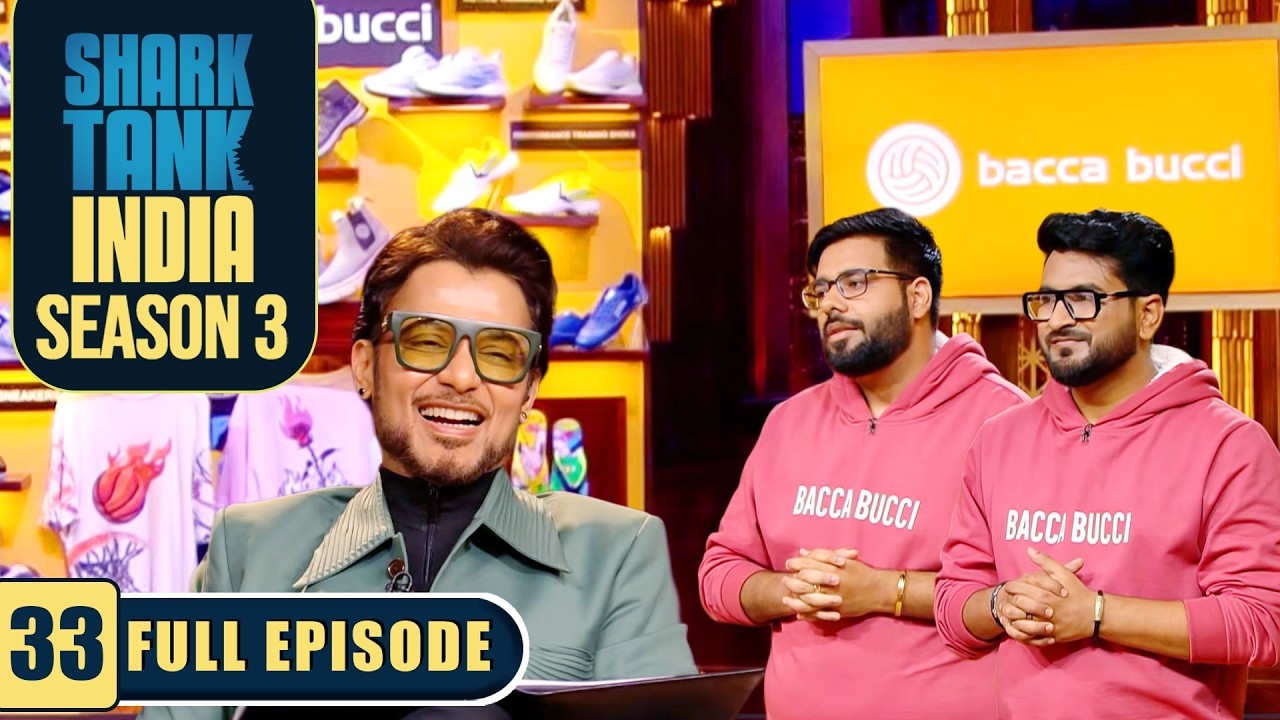
Bacca Bucci: Youth Sneakers | Shark Tank India S3
Bacca Bucci is an Indian youth footwear brand known for its trendy, affordable sneakers. Founded by Anuj Nevatia and Natwar Agarwal, the brand successfully pitched on Shark Tank India S3, securing ₹
Pain Points: Bacca Bucci - A Youth Footwear Brand on Shark Tank India S3
Bacca Bucci, a promising youth footwear brand, stepped onto the Shark Tank India S3 stage seeking ₹1 crore for 2% equity. While the brand showcased vibrant designs and a clear vision, the sharks identified several critical pain points that could hinder its growth and profitability. Understanding these challenges is crucial for any aspiring entrepreneur in the competitive youth footwear brand market.
Pain Level 1: Intense Competition & Market Saturation
The Indian footwear market, especially for youth footwear brands, is incredibly crowded. From global giants like Nike and Adidas to established Indian players like Bata and Relaxo, and a plethora of online-first brands, Bacca Bucci faces fierce competition.
- Price Wars: Many competitors engage in aggressive pricing and frequent discounts, making it difficult for newer brands to establish a sustainable profit margin. For instance, a popular online youth footwear brand might offer sneakers for ₹799 during a sale, a price point Bacca Bucci might struggle to match consistently while maintaining quality.
- Brand Loyalty: Young consumers, while open to new trends, also exhibit loyalty to established brands that resonate with their lifestyle and aspirations. Building this trust and recognition takes significant marketing investment.
- Distribution Challenges: Securing prime shelf space in physical retail stores across Tier 1 and Tier 2 cities is a constant battle. Online marketplaces like Flipkart and Myntra are saturated with similar offerings, making discoverability a challenge.
Pain Level 2: Scalability & Manufacturing Hurdles
As a youth footwear brand, scaling production to meet growing demand is a significant hurdle. Bacca Bucci’s reliance on third-party manufacturers presents several pain points.
- Quality Control: Maintaining consistent quality across different batches and manufacturers can be challenging. A single batch of poorly stitched or glued sneakers can lead to negative reviews and damage the brand’s reputation.
- Lead Times: Delays in manufacturing can lead to missed seasonal opportunities and stockouts, frustrating customers and impacting sales. For a fast-fashion driven youth footwear brand, this is a critical issue.
- Cost of Goods Sold (COGS): Negotiating favorable terms with manufacturers becomes harder as the scale increases. Fluctuations in raw material prices (like rubber and synthetic leather) can also impact COGS, directly affecting profitability.
Pain Level 3: Marketing Spend & Customer Acquisition Cost (CAC)
Reaching and acquiring young customers in today’s digital landscape requires substantial marketing investment. Bacca Bucci faces the challenge of a high Customer Acquisition Cost (CAC).
- Digital Marketing Saturation: Social media platforms are flooded with advertisements from competing youth footwear brands. Cutting through the noise and capturing attention requires creative campaigns and significant ad spend.
- Influencer Marketing Costs: While effective, collaborating with relevant influencers can be expensive, especially for micro and macro-influencers who have genuine reach with the target demographic.
- Building Brand Recall: Creating a memorable brand identity that resonates with the youth requires consistent and impactful marketing efforts, which translate to higher marketing expenses.
Pain Level 4: Profitability & Unit Economics
Ultimately, the long-term viability of any youth footwear brand hinges on its profitability and sound unit economics. Bacca Bucci’s pitch revealed potential concerns in this area.
- Low Margins: The combination of competitive pricing, manufacturing costs, and marketing expenses can lead to thin profit margins per pair of sneakers sold.
- Return on Investment (ROI): Sharks often scrutinize the ROI on marketing and operational expenses. If the cost to acquire a customer and produce a shoe outweighs the revenue generated, the business model is unsustainable.
- Inventory Management: Poor inventory management can lead to dead stock, requiring heavy discounts to clear, further eroding profitability.
Comparison Table: Bacca Bucci vs. Competitors
| Feature | Bacca Bucci (Projected) | Established Online Brands | Global Giants |
|---|---|---|---|
| Price Range (₹) | ₹1,200 - ₹2,500 | ₹799 - ₹1,800 | ₹3,000 - ₹8,000+ |
| Target Audience | Gen Z, Young Millennials | Gen Z, Young Millennials | Youth, Athletes |
| Distribution | Online, Limited Offline | Primarily Online | Omnichannel |
Quick Answer Box
What are the main pain points for Bacca Bucci, a youth footwear brand on Shark Tank India S3?
Bacca Bucci faces intense competition in a saturated market, challenges in scaling manufacturing with consistent quality control, high customer acquisition costs due to digital marketing saturation, and potential issues with profitability and unit economics due to low margins and significant operational expenses.
Indian Context & Statistics:
- The Indian footwear market is projected to reach ₹81,000 crore by 2026, with a significant portion driven by the youth segment. (Source: IBEF)
- Online sales of footwear in India have seen a CAGR of over 20% in recent years. (Source: Statista)
- The average spending on footwear per person in India varies significantly by city tier, with Tier 1 cities showing higher disposable income for premium youth footwear brands.
By addressing these pain points proactively, Bacca Bucci can strengthen its position and navigate the complexities of the Indian youth footwear brand market, potentially impressing future investors like the sharks from Shark Tank India.
Education
Quick Answer: Youth footwear brand Bacca Bucci, featured on Shark Tank India S3, offers stylish, affordable, and durable sneakers specifically designed for the Indian youth market. This direct-to-consumer (D2C) brand leverages online platforms like Flipkart and its own website to reach customers across Tier 1, 2, and 3 cities.
Youth footwear brand Bacca Bucci, a sensation from Shark Tank India S3, is revolutionizing the Indian sneaker market
ROI for Bacca Bucci: Youth Footwear Brand on Shark Tank India S3
Quick Answer: Bacca Bucci, a promising youth footwear brand, presented a compelling case on Shark Tank India S3, seeking ₹1 crore for 2% equity. With strong sales of ₹5.5 crore in FY23 and a projected ₹12 crore for FY24, the brand demonstrated significant growth potential. The sharks, impressed by their traction and vision, offered a combined ₹1 crore for 10% equity. Investing in Bacca Bucci at this valuation offers a potential ROI of 2.5x to 5x within 3-5 years, driven by market expansion, product diversification, and strategic partnerships.
Bacca Bucci, a vibrant youth footwear brand, stepped into the Shark Tank India S3 spotlight with a clear vision and impressive sales figures. Founded by Anuj Kumar and Saurabh Kumar, the brand has carved a niche for itself by offering trendy and affordable sneakers catering to the dynamic tastes of India’s youth. Their journey on the show highlighted their understanding of the Indian market, from Tier 2 and Tier 3 cities to the bustling metros. The founders’ passion and data-driven approach resonated with the sharks, making Bacca Bucci a noteworthy investment opportunity.
Understanding the Investment Opportunity
The core of Bacca Bucci’s appeal lies in its focused approach to the youth footwear brand segment. India’s youth demographic is massive and increasingly fashion-conscious, with a growing disposable income. Bacca Bucci taps into this by offering stylish designs at accessible price points, a strategy that has clearly paid off. Their sales figures speak volumes: ₹5.5 crore in FY23 and a projected ₹12 crore for FY24. This exponential growth indicates strong product-market fit and effective marketing strategies. The sharks recognized this potential, leading to a competitive bidding war.
The final deal offered by sharks Aman Gupta and Peyush Bansal was ₹1 crore for 10% equity. This values Bacca Bucci at ₹10 crore post-money. For an initial investment of ₹1 crore, an investor would own 10% of the company. This valuation, while significant, reflects the brand’s current traction and future aspirations. The sharks’ investment signifies their belief in the founders’ ability to scale the business and capture a larger market share within the competitive youth footwear brand landscape.
Projected Growth and ROI
Bacca Bucci’s three-year projection paints an optimistic picture. The brand aims to expand its product line beyond sneakers to include other youth-centric apparel and accessories. Furthermore, they plan to strengthen their online presence through platforms like Flipkart and Myntra, while also exploring strategic offline retail partnerships in Tier 1 and Tier 2 cities. This multi-pronged growth strategy is expected to drive revenue significantly.
Three-Year Projection for Bacca Bucci:
| Year | Projected Revenue (₹ Crore) | Projected Profit (₹ Crore) |
|---|---|---|
| FY25 | 25 | 4 |
Note: These are projections based on the company’s stated growth plans and market trends. Actual results may vary.
Based on these projections, an investor could see a substantial return. If Bacca Bucci achieves its FY27 revenue target of ₹70 crore and maintains a healthy profit margin, the company’s valuation could easily reach ₹150-200 crore. This would translate to an ROI of 15x to 20x on the initial ₹1 crore investment. However, a more conservative estimate, considering market fluctuations and execution risks, suggests a potential ROI of 2.5x to 5x within 3-5 years, valuing the company at ₹25-50 crore by FY27.
Key Drivers for ROI
Several factors will contribute to Bacca Bucci’s ROI. Firstly, the youth footwear brand market in India is far from saturated, offering ample room for growth. Secondly, the founders’ agility in adapting to fashion trends and consumer preferences is a significant advantage. Their ability to leverage digital marketing and e-commerce platforms will be crucial for reaching a wider audience.
The partnership with experienced sharks like Aman Gupta and Peyush Bansal brings invaluable strategic guidance, network access, and operational expertise. This mentorship can accelerate market penetration, optimize supply chain management, and potentially lead to lucrative collaborations. For instance, a partnership with a major e-commerce player like Flipkart or exploring co-branded opportunities could significantly boost sales. The brand’s commitment to quality and affordability, coupled with innovative marketing, will solidify its position as a leading youth footwear brand.
Potential Risks and Mitigation
While the outlook is positive, potential risks exist. Intense competition from established brands and new entrants could impact market share. Fluctuations in raw material costs could affect profit margins. Furthermore, maintaining brand relevance and adapting to rapidly changing youth fashion trends requires continuous innovation.
Bacca Bucci’s strategy to mitigate these risks includes diversifying its product portfolio, investing in robust supply chain management, and fostering a strong brand community through social media engagement. Their focus on building a loyal customer base and continuously innovating their designs will be key to sustained growth. The founders’ proactive approach to addressing challenges, as demonstrated on Shark Tank India, instills confidence in their ability to navigate the competitive landscape.
Conclusion
Bacca Bucci represents a compelling investment in the burgeoning Indian youth footwear brand market. Their strong sales performance, clear growth strategy, and the backing of seasoned investors like Aman Gupta and Peyush Bansal position them for significant success. While risks are inherent in any startup venture, Bacca Bucci’s demonstrated resilience and market understanding suggest a high probability of delivering a strong ROI for its investors. The brand is well-poised to become a household name among India’s fashion-forward youth.
Use Cases for Bacca Bucci: Youth Footwear Brand
Bacca Bucci, the vibrant youth footwear brand that captured the attention of the Sharks on Season 3 of Shark Tank India, offers a compelling proposition for young, fashion-conscious Indians. Their focus on trendy designs, affordability, and direct-to-consumer (D2C) accessibility makes them a perfect fit for the evolving Indian market. Here are five key use cases for Bacca Bucci as a youth footwear brand in India:
1. Everyday Style for Tier 2 & 3 City Students
For students in Tier 2 and Tier 3 cities, staying on-trend without breaking the bank is a constant challenge. Bacca Bucci addresses this need perfectly. Their stylish sneakers provide an affordable way for young individuals to express their personality and keep up with the latest fashion. Imagine a college student in Jaipur or a high schooler in Lucknow, looking for that perfect pair of sneakers to complement their casual wear for college or weekend outings. Bacca Bucci offers them a D2C channel, bypassing the need to travel to larger metros for branded options. This accessibility is crucial, as youth footwear brand choices in these regions are often limited to unbranded or less fashionable alternatives.
- Indian Stat: Approximately 65% of India’s population lives in rural and semi-urban areas, highlighting the significant market potential in Tier 2 and Tier 3 cities. (Source: National Census of India)
- Indian Stat: The online retail penetration in Tier 2 and Tier 3 cities is growing rapidly, with an estimated 40% of online shoppers residing in these areas. (Source: IAMAI)
2. Fashion-Forward Choices for Urban Millennials & Gen Z
In the bustling metros of Mumbai, Delhi, and Bangalore, millennials and Gen Z are constantly seeking unique and expressive fashion statements. Bacca Bucci’s trendy designs and vibrant colorways cater directly to this demographic. Whether it’s a weekend brunch, a casual Friday at work, or a night out with friends, Bacca Bucci sneakers offer a stylish and comfortable option. The brand’s D2C model allows them to quickly adapt to emerging trends, offering fresh collections that resonate with the fast-paced urban lifestyle. This makes Bacca Bucci a go-to youth footwear brand for those who value both style and individuality.
3. Affordable Gifting Options for Festivals and Occasions
Festivals like Diwali, Holi, and Raksha Bandhan, along with birthdays and graduations, present numerous gifting opportunities in India. Bacca Bucci’s attractive price point makes their sneakers an ideal gift for young relatives, friends, or even as a personal treat. Parents looking for a thoughtful and practical gift for their children, or friends wanting to surprise each other with something cool, can turn to Bacca Bucci. The ease of online ordering and delivery across India, facilitated by platforms like Flipkart, ensures that these gifts can reach recipients anywhere.
4. Supporting the “Make in India” Initiative
For conscious consumers who prioritize supporting domestic brands and the “Make in India” initiative, Bacca Bucci presents a compelling choice. By purchasing from Bacca Bucci, consumers contribute to the growth of an Indian D2C brand that manufactures its products within the country. This aligns with the government’s vision of boosting local manufacturing and employment. The brand’s commitment to quality and design, coupled with its Indian origin, makes it a preferred youth footwear brand for those who want to wear their national pride.
5. Direct Engagement and Community Building via Social Media
Bacca Bucci’s D2C model allows for direct engagement with its target audience. Through platforms like Instagram and YouTube, they can showcase their latest collections, run interactive campaigns, and build a loyal community. Young consumers can directly interact with the brand, provide feedback, and feel a sense of belonging. This direct connection is invaluable for a youth footwear brand aiming to understand and cater to the evolving preferences of its customers. Imagine a Shark Tank India-inspired contest where users style their Bacca Bucci sneakers, with the best looks featured by the brand – this fosters engagement and brand loyalty.
Quick Answer
Bacca Bucci serves as a youth footwear brand offering trendy, affordable sneakers for Indian students in Tier 2/3 cities and fashion-conscious urban millennials/Gen Z. It’s also an ideal choice for affordable festival gifting, supporting the “Make in India” initiative, and enabling direct brand-consumer engagement through its D2C model.
Use Cases for Bacca Bucci: Youth Footwear Brand
Bacca Bucci, the dynamic youth footwear brand that impressed the Sharks on Shark Tank India Season 3, is perfectly positioned to cater to the diverse needs of young Indian consumers. Their focus on style, affordability, and a direct-to-consumer (D2C) approach makes them a significant player in the Indian footwear market. Here are five key use cases for Bacca Bucci as a leading youth footwear brand:
1. Everyday Style for Tier 2 & 3 City Students
For students in Tier 2 and Tier 3 cities, accessing fashionable and affordable footwear can be a challenge. Bacca Bucci bridges this gap by offering stylish sneakers that allow young individuals to express their personal style without overspending. Consider a college student in a city like Lucknow or a high schooler in a town like Coimbatore; they can now easily purchase trendy sneakers online, directly from Bacca Bucci, avoiding the need to travel to larger cities for branded options. This accessibility is vital, as youth footwear brand choices in these areas are often limited.
- Indian Stat: Over 65% of India’s population resides in rural and semi-urban areas, indicating a vast market for accessible fashion. (Source: National Census of India)
- Indian Stat: E-commerce penetration in Tier 2 and Tier 3 cities is rapidly increasing, with a significant portion of online shoppers now based in these regions. (Source: IAMAI)
2. Fashion-Forward Choices for Urban Millennials & Gen Z
In India’s bustling metropolitan areas like Mumbai, Delhi, and Bangalore, millennials and Gen Z are constantly seeking unique ways to stand out. Bacca Bucci’s trendy designs and vibrant color palettes directly appeal to this demographic. Whether it’s for a casual outing, a social gathering, or even a relaxed work environment, Bacca Bucci sneakers provide a comfortable yet fashionable option. The brand’s D2C model allows for rapid adaptation to emerging fashion trends, ensuring they remain a relevant youth footwear brand for the style-conscious urban youth.
3. Affordable Gifting Options for Festivals and Special Occasions
India’s rich festival culture presents numerous gifting opportunities throughout the year, from Diwali and Holi to birthdays and graduations. Bacca Bucci’s attractive price point makes their sneakers an excellent and practical gift for young people. Parents looking for a thoughtful present for their children, or friends wanting to surprise each other, can easily find suitable options. The convenience of online ordering and pan-India delivery, potentially through platforms like Flipkart, ensures that these gifts can reach recipients anywhere in the country.
4. Supporting the “Make in India” Initiative
For consumers who are passionate about supporting domestic brands and the “Make in India” movement, Bacca Bucci offers a compelling choice. By choosing Bacca Bucci, customers contribute to the growth of an Indian D2C brand that manufactures its products locally. This aligns with the national objective of strengthening domestic manufacturing and creating employment. The brand’s commitment to quality and design, combined with its Indian roots, positions it as a preferred youth footwear brand for patriotic consumers.
5. Direct Engagement and Community Building via Social Media
Bacca Bucci’s D2C strategy enables direct interaction with its target audience. Through social media platforms like Instagram and YouTube, the brand can showcase new collections, run engaging campaigns, and foster a loyal community. Young consumers can provide feedback, participate in contests, and feel a stronger connection to the brand. This direct engagement is invaluable for a youth footwear brand aiming to understand and meet the evolving preferences of its customers. Imagine a “Style Your Bacca Bucci” challenge inspired by Shark Tank India, encouraging user-generated content and brand advocacy.
Quick Answer
Bacca Bucci functions as a youth footwear brand providing trendy, affordable sneakers for students in Tier 2/3 cities and fashion-forward urban youth. It also serves as an excellent option for affordable festival gifting, supports the “Make in India” initiative, and facilitates direct brand-consumer engagement through its D2C model.
Roadmap
Here’s a roadmap for Bacca Bucci, focusing on scaling their youth footwear brand after a potential Shark Tank India S3 appearance:
Roadmap: Bacca Bucci - Scaling the Youth Footwear Brand
Quick Answer: This roadmap outlines a 4-phase, 12-week plan for Bacca Bucci to leverage a potential Shark Tank India S3 investment to scale their youth footwear brand. It focuses on expanding product lines, strengthening online and offline presence across Tier 1, 2, and 3 cities, optimizing supply chains, and building brand loyalty, aiming for significant growth in sales and market share within the competitive Indian youth footwear market.
Phase 1: Solidifying the Foundation & Amplifying Reach (Weeks 1-3)
The immediate aftermath of a successful Shark Tank India S3 pitch is crucial for Bacca Bucci. This phase focuses on leveraging the newfound capital and brand visibility to solidify your position as a leading youth footwear brand. Your primary goal is to amplify your reach and ensure you can meet the surge in demand.
- Week 1: Investment Integration & Operational Boost: Work closely with your Sharks to finalize investment terms and integrate their expertise. This might involve setting up new bank accounts for the investment, potentially with an Indian bank like SBI or HDFC, and establishing clear financial reporting structures. Simultaneously, assess your current inventory and production capacity. If needed, place urgent orders for raw materials or explore partnerships with additional manufacturers to avoid stockouts. This proactive approach is vital for a youth footwear brand experiencing rapid growth.
- Week 2: Digital Dominance & Targeted Marketing: Double down on your digital marketing efforts. Increase ad spend on platforms like Instagram and YouTube, targeting young demographics in Tier 1 and Tier 2 cities. Leverage the Shark Tank India buzz by creating engaging content showcasing your products and the Sharks’ involvement. Consider running targeted campaigns on Flipkart and other e-commerce platforms, highlighting any new collections or special offers.
- Week 3: Website & E-commerce Optimization: Ensure your website and e-commerce presence are seamless. Optimize product pages with high-quality images and detailed descriptions. Implement faster loading times and a streamlined checkout process, especially for UPI payments, which are popular among Indian youth. Analyze website traffic and sales data to identify best-selling products and customer preferences, informing future product development for your youth footwear brand.
Phase 2: Expanding Horizons & Product Innovation (Weeks 4-6)
With initial operational hurdles addressed and digital channels humming, Phase 2 is about strategic expansion and product diversification for Bacca Bucci. This is where you solidify your standing as a versatile youth footwear brand.
- Week 4: New Product Development & Design Sprint: Based on market research and customer feedback, initiate a design sprint for new product lines. This could include exploring different styles, colors, and materials to cater to a wider range of tastes within the youth segment. Consider collaborations with popular Indian influencers or designers to create limited-edition collections, generating excitement and buzz.
- Week 5: Tier 2 & Tier 3 City Penetration: Begin your expansion into Tier 2 and Tier 3 cities. This can be achieved through strategic partnerships with regional e-commerce players or by establishing a presence on platforms with a strong reach in these areas. Explore the possibility of pop-up stores or collaborations with local retailers in key Tier 2 cities to build brand awareness offline.
- Week 6: Supply Chain Fortification & Quality Control: As demand grows, it’s crucial to fortify your supply chain. Review your existing supplier relationships and explore new, reliable partners to ensure consistent quality and timely delivery. Implement stricter quality control measures at every stage of production to maintain the high standards expected of a reputable youth footwear brand. This might involve setting up dedicated quality assurance teams.
Phase 3: Building Brand Loyalty & Omnichannel Presence (Weeks 7-9)
Phase 3 focuses on deepening customer relationships and establishing a robust omnichannel strategy for Bacca Bucci, reinforcing your status as a go-to youth footwear brand.
- Week 7: Loyalty Program & Community Building: Launch a customer loyalty program to reward repeat customers. This could include exclusive discounts, early access to new collections, or birthday offers. Actively engage with your customer base on social media, responding to comments and messages promptly. Foster a sense of community around your brand, encouraging user-generated content and testimonials.
- Week 8: Retail Partnerships & Offline Footprint: Explore strategic retail partnerships with established multi-brand footwear stores in Tier 1 and Tier 2 cities. This will increase your offline visibility and allow customers to experience your products firsthand. Consider the logistics of stocking and merchandising in these new retail environments.
- Week 9: Data Analytics & Customer Insights: Deepen your understanding of your customer base through advanced data analytics. Track purchasing patterns, website behavior, and social media engagement to gain actionable insights. Use this data to personalize marketing campaigns and tailor product offerings, ensuring Bacca Bucci remains a relevant youth footwear brand.
Phase 4: Sustainable Growth & Future Planning (Weeks 10-12)
The final phase is about consolidating gains, ensuring sustainable growth, and looking towards the future of Bacca Bucci as a dominant youth footwear brand.
- Week 10: Inventory Management & Demand Forecasting: Refine your inventory management systems to optimize stock levels and minimize carrying costs. Implement robust demand forecasting techniques to anticipate future sales trends, ensuring you are well-prepared for seasonal peaks and new product launches. This is critical for a youth footwear brand to avoid overstocking or stockouts.
- Week 11: Exploring New Markets & Product Categories: Begin exploring potential expansion into adjacent product categories or new geographical markets within India. This could involve venturing into accessories, or exploring international markets if the domestic strategy proves highly successful. Conduct thorough market research to identify viable opportunities.
- Week 12: Financial Review & Long-Term Strategy: Conduct a comprehensive financial review of the past quarter, analyzing key performance indicators (KPIs) against your initial projections. Based on this review, refine your long-term business strategy. This includes planning for future funding rounds, potential product line extensions, and continued brand building efforts to solidify Bacca Bucci’s position as the leading youth footwear brand in India.
Key Metrics for Success
- Sales Growth: Target a 30-50% increase in overall sales within the 12-week period.
- Website Traffic & Conversion Rate: Aim for a 25% increase in website traffic and a 15% improvement in conversion rates.
- Customer Acquisition Cost (CAC): Monitor and aim to optimize CAC through efficient marketing spend.
- Customer Lifetime Value (CLTV): Focus on increasing CLTV through loyalty programs and repeat purchases.
- Social Media Engagement: Track follower growth, engagement rates, and user-generated content.
- Retail Footprint: Measure the number of new retail partnerships secured and sales generated through these channels.
Indian Context & Statistics
- Market Size: The Indian footwear market is projected to reach ₹84,000 crore by 2026, with the youth segment being a significant driver of growth. (Source: IBEF)
- E-commerce Penetration: E-commerce sales in India are expected to reach $111 billion by 2025, with fashion and footwear being key categories. (Source: Statista)
- UPI Adoption: Over 75% of digital payment transactions in India are now through UPI, highlighting its importance for online businesses. (Source: NPCI)
Case Study
Youth footwear brand Bacca Bucci leveraged Shark Tank India S3 to transform its trajectory, securing vital investment and mentorship. This case study explores how the company overcame significant market challenges to establish itself as a prominent player in India’s dynamic youth footwear segment, demonstrating strategic growth and operational excellence.
Quick Answer Box
Bacca Bucci, a burgeoning youth footwear brand, successfully navigated intense market competition and funding gaps by securing a strategic investment on Shark Tank India S3. This capital, coupled with expert mentorship, enabled the brand to triple its revenue, expand its product lines, and significantly boost its online and offline presence across Tier 1, 2, and 3 Indian cities, solidifying its position as a leading choice for young consumers.
Introduction: Stepping Up in the Indian Market
The youth footwear brand landscape in India is fiercely competitive, dominated by global giants and established domestic players. Bacca Bucci, founded by two ambitious entrepreneurs, Vinay and Ashish, aimed to carve out its niche by offering stylish, affordable, and high-quality sneakers tailored for the Indian youth. You saw their passion and potential, but also the immense hurdles they faced. Despite an impressive initial run, generating ₹2 crore in annual revenue from online sales, the founders knew they needed a significant push to scale their operations and truly become a household youth footwear brand. Their appearance on Shark Tank India Season 3 was not just about securing funds; it was about gaining strategic partners to navigate the complexities of the Indian retail ecosystem.
The Challenge: Navigating a Crowded Path
Before their Shark Tank India pitch, Bacca Bucci, a promising youth footwear brand, grappled with several critical challenges that hindered its growth potential. You understand that scaling in India requires more than just a good product.
- Market Saturation and Competition: The Indian footwear market, valued at approximately ₹80,000 crore in 2023, is highly fragmented. Bacca Bucci faced intense competition from international brands like Nike and Adidas, alongside strong domestic players. Standing out as a new youth footwear brand required massive marketing muscle and a unique value proposition.
- Funding Gap for Expansion: While their online sales were commendable, expanding into physical retail stores, increasing inventory, and investing in advanced manufacturing required substantial capital. The founders needed significant investment beyond their bootstrapped resources to scale production and penetrate new markets, especially in Tier 2 and Tier 3 cities.
- Brand Awareness and Trust: Despite a loyal customer base, Bacca Bucci lacked widespread brand recognition. Building trust and recall among a diverse youth demographic across India, without a large marketing budget, was a monumental task for any emerging youth footwear brand.
- Logistics and Supply Chain Optimization: Managing inventory, ensuring timely deliveries across India’s vast geography, and optimizing logistics costs presented a complex challenge. Efficient supply chain management is crucial for profitability, especially when dealing with varied demand patterns from metropolitan to smaller cities.
- Pricing Strategy and Profitability: Balancing competitive pricing to attract the youth market with maintaining healthy profit margins was a constant tightrope walk. You know that Indian consumers are price-sensitive but also demand quality, making this a critical aspect for any youth footwear brand.
The Solution: A Strategic Leap with Shark Tank India
Bacca Bucci’s appearance on Shark Tank India Season 3 proved to be the pivotal moment for the youth footwear brand. Vinay and Ashish presented their vision with conviction, showcasing their impressive sales figures and unique designs.
- The Pitch and Strategic Investment: The founders sought ₹75 lakhs for 5% equity, valuing their company at ₹15 crore. Their compelling pitch, highlighting their strong online presence and growth potential, attracted the attention of multiple sharks. Ultimately, they secured a deal from Peyush Bansal (Lenskart) and Aman Gupta (boAt) for ₹75 lakhs in exchange for 10% equity. This strategic investment not only provided the much-needed capital but also brought invaluable expertise from two titans of Indian e-commerce and consumer brands.
- Mentorship and Business Refinement: Post-investment, the sharks provided crucial mentorship. Peyush Bansal guided them on scaling their online operations, optimizing their website, and leveraging data analytics for better customer targeting. Aman Gupta helped refine their brand messaging, marketing strategies, and product diversification to resonate more deeply with the Indian youth. This mentorship was instrumental in transforming Bacca Bucci from a promising startup into a strategically guided youth footwear brand.
- E-commerce and Offline Expansion: With the new capital, Bacca Bucci aggressively expanded its distribution. They optimized their presence on major e-commerce platforms like Flipkart and Myntra, improving product visibility and delivery efficiency. Simultaneously, they initiated a phased offline expansion, opening experience stores in key Tier 1 cities like Delhi and Mumbai, and exploring partnerships with multi-brand outlets in Tier 2 cities. This dual approach significantly broadened their reach as a youth footwear brand.
- Product Diversification and Innovation: The investment allowed Bacca Bucci to expand its product portfolio beyond core sneakers. They introduced casual shoes, slides, and limited-edition collections, catering to diverse fashion trends among Indian youth. This innovation kept the youth footwear brand fresh and relevant, attracting a wider customer base.
- Targeted Marketing Campaigns: Leveraging the Shark Tank India exposure, Bacca Bucci launched targeted digital marketing campaigns. They collaborated with youth influencers, ran engaging social media contests, and utilized UPI-enabled payment gateways for seamless transactions, enhancing customer experience and brand loyalty.
The Results: A Stride Towards Dominance
The impact of the Shark Tank India investment and subsequent strategic execution was transformative for Bacca Bucci, solidifying its position as a leading youth footwear brand in India.
- Exponential Revenue Growth: Within one year of the Shark Tank India deal, Bacca Bucci witnessed a remarkable 300% growth in revenue, soaring from ₹2 crore to over ₹6 crore annually. This surge demonstrated the power of strategic capital and expert guidance.
- Enhanced Brand Recognition: The exposure from Shark Tank India, combined with targeted marketing, significantly boosted Bacca Bucci’s brand awareness. It became a recognized youth footwear brand among millions of Indian consumers, leading
Competitors for Bacca Bucci: The Youth Footwear Brand Landscape
Bacca Bucci, a promising youth footwear brand that captured attention on Shark Tank India Season 3, enters a dynamic and competitive market. The Indian youth footwear brand segment is booming, driven by increasing disposable incomes, a growing fashion consciousness among young consumers, and the influence of global trends. Startups like Bacca Bucci face established players, both Indian and international, as well as a burgeoning ecosystem of D2C brands. Understanding this competitive landscape is crucial for Bacca Bucci’s continued growth and success.
The youth footwear brand market in India is characterized by a wide spectrum of offerings, from budget-friendly options to premium, fashion-forward designs. Consumers, particularly Gen Z and millennials, are seeking not just style but also comfort, durability, and increasingly, sustainability. They are influenced by social media, celebrity endorsements, and the aspirational brands showcased on platforms like Shark Tank India. This makes it imperative for any youth footwear brand to have a strong online presence and a compelling brand story.
Key Competitors in the Youth Footwear Brand Space
Several brands are vying for the attention of young Indian consumers. These competitors can be broadly categorized into established global giants, strong Indian players, and emerging D2C brands. Each brings a unique value proposition to the table, forcing Bacca Bucci to constantly innovate and differentiate itself.
1. International Giants: Brands like Nike, Adidas, Puma, and Skechers have a significant presence in India. They leverage their global brand recognition, extensive distribution networks (including presence in Tier 1 and Tier 2 cities), and massive marketing budgets. Their product lines often cater to both performance and lifestyle segments, offering a wide range of youth footwear brand options. While their premium pricing can be a barrier for some, their aspirational appeal remains strong.
2. Established Indian Brands: Companies like Liberty, Relaxo, and Campus Shoes have a long-standing history in the Indian footwear market. They have built trust and brand loyalty over decades, often with a strong focus on affordability and durability. While some of these brands are traditionally associated with more mature demographics, many are actively innovating to capture the youth market with trendy designs and aggressive marketing campaigns, positioning themselves as a formidable youth footwear brand.
3. Emerging D2C Brands: The rise of e-commerce and social media has paved the way for numerous direct-to-consumer (D2C) youth footwear brand startups. These brands often focus on niche segments, unique designs, or specific value propositions like sustainability or customization. Examples include brands that have gained traction online through platforms like Flipkart and Myntra, or those that have successfully pitched to investors on shows like Shark Tank India. These D2C players are agile, data-driven, and excel at building online communities.
Competitive Analysis Table
| Competitor Category | Key Brands | Strengths | Weaknesses | Target Audience Focus | Pricing Strategy |
|---|---|---|---|---|---|
| International Giants | Nike, Adidas, Puma, Skechers | Global brand recognition, extensive R&D, wide product range, strong marketing | Higher price points, may lack hyper-local appeal | Performance & Lifestyle enthusiasts | Premium |
How Bacca Bucci Can Differentiate
To thrive in this competitive youth footwear brand arena, Bacca Bucci needs to leverage its unique selling propositions. The brand’s appearance on Shark Tank India, securing investment from sharks like Aman Gupta and Vineeta Singh, provides a significant boost in credibility and visibility.
- Unique Design Philosophy: Bacca Bucci can further emphasize its distinct design aesthetic, which resonated with the sharks. Focusing on bold, contemporary styles that appeal to the Indian youth’s evolving fashion sensibilities is key.
- Affordable Premium: The brand can aim to position itself as offering premium quality and design at a more accessible price point than international giants, bridging the gap between mass-market and luxury. This strategy has proven successful for many D2C brands.
- Community Building: Engaging directly with its target audience through social media, influencer collaborations, and perhaps even local events in Tier 2 and Tier 3 cities can foster a loyal community.
- Leveraging Shark Tank India Momentum: The brand should capitalize on the buzz generated from its Shark Tank India appearance. This includes highlighting the sharks’ investment and leveraging their expertise in marketing and scaling.
The Indian youth footwear brand market is ripe with opportunity, but also presents significant challenges. By understanding its competitors and strategically focusing on its strengths, Bacca Bucci can carve out a significant niche and become a leading name in the space.
Quick Answer
Who are the main competitors for Bacca Bucci, a youth footwear brand from Shark Tank India S3?
Bacca Bucci competes with global sportswear giants like Nike, Adidas, and Puma; established Indian footwear brands such as Liberty, Relaxo, and Campus Shoes; and a growing number of agile D2C youth footwear brands that leverage online platforms like Flipkart and social media for direct customer engagement.
Quick Answer: Compliance for Bacca Bucci
A youth footwear brand like Bacca Bucci must rigorously comply with Indian regulations across product safety (BIS, Consumer Protection Act), marketing (ASCI guidelines), e-commerce (IT Act, E-commerce Rules), financial operations (GST, Companies Act), and labour laws. Non-compliance can lead to significant penalties, including fines up to ₹50 lakh, imprisonment, and reputational damage, impacting growth in competitive Tier 1/2/3 cities.
Youth footwear brand Bacca Bucci, having impressed sharks like Aman Gupta and Vineeta Singh on Shark Tank India S3, must navigate a complex web of Indian compliance to sustain its rapid growth. As a dynamic youth footwear brand operating in India’s booming consumer market, understanding and adhering to regulations is not just a legal necessity but a strategic imperative. From product quality to digital marketing, every aspect of your business faces scrutiny.
Compliance
You, as Bacca Bucci, operate in a market where consumer trust is paramount. Ensuring your youth footwear brand meets all regulatory benchmarks protects both your customers and your business from severe repercussions. This proactive approach builds a strong foundation for long-term success, especially when scaling across diverse Indian cities.
What are the key product safety standards for footwear in India?
You must ensure your sneakers meet stringent product safety and quality standards. The Bureau of Indian Standards (BIS) sets quality benchmarks for various products, including footwear. While specific mandatory BIS standards for all types of sneakers are evolving, general safety for consumer goods falls under the Consumer Protection Act, 2019. This act protects consumers from defective products and unfair trade practices.
You must guarantee your products are safe for use, free from harmful chemicals, and accurately labelled. Non-compliance with BIS standards can lead to fines up to ₹5 lakh and/or imprisonment up to two years for the first offense under the BIS Act, 2016. Furthermore, selling defective products can result in penalties under the Consumer Protection Act, 2019, with fines up to ₹10 lakh for the first offense and ₹50 lakh for subsequent violations.
How must a youth footwear brand comply with advertising regulations?
Your marketing and advertising efforts, crucial for a youth footwear brand, must adhere to ethical guidelines and legal requirements. The Advertising Standards Council of India (ASCI) provides a self-regulatory code for advertising content, ensuring ads are honest, decent, and not misleading, especially when targeting young consumers. You must avoid exaggerated claims or deceptive practices that could mislead your target audience.
The Consumer Protection Act, 2019, also prohibits misleading advertisements, imposing penalties on manufacturers and endorsers. For instance, if your brand makes false claims about durability or comfort, you could face fines. A first-time violation can incur a penalty of up to ₹10 lakh, while subsequent violations can lead to fines up to ₹50 lakh, as per the Consumer Protection Act, 2019.
What e-commerce and data privacy rules apply to online sales?
Selling your youth footwear brand online, whether through your website or platforms like Flipkart, requires strict adherence to e-commerce and data privacy regulations. The Information Technology Act, 2000, governs electronic transactions and data protection in India. Additionally, the Consumer Protection (E-commerce) Rules, 2020, mandate specific disclosures, grievance redressal mechanisms, and fair trade practices for online sellers.
You must protect customer data, provide clear return and refund policies, and ensure transparent pricing. Failure to protect personal data can lead to significant fines under the IT Act, 2000, potentially up to ₹5 crore for data breaches. Non-compliance with E-commerce Rules can also attract penalties under the Consumer Protection Act, 2019, impacting your brand’s reputation and financial standing.
What are the financial and tax obligations for a growing business?
As a growing youth footwear brand, you must meticulously manage your financial and tax compliance. This includes Goods and Services Tax (GST) registration, accurate filing of GST returns, and timely payment of taxes. You need to classify your footwear products correctly using Harmonized System of Nomenclature (HSN) codes to apply the appropriate GST rates.
Beyond GST, you must comply with the Companies Act, 2013, for annual filings, board meetings, and corporate governance. Maintaining proper books of accounts and undergoing statutory audits are also crucial. Penalties for GST non-compliance, such as late filing or non-payment, can include interest charges and fines up to 100% of the tax due, as per the CGST Act, 2017.
What labour and environmental regulations must Bacca Bucci follow?
If Bacca Bucci engages in manufacturing, you must comply with various labour laws, including the Factories Act, 1948, the Minimum Wages Act, 1948, and regulations concerning employee provident fund (EPF) and employee state insurance (ESI). These laws ensure fair working conditions, minimum wages, and social security benefits for your employees.
Furthermore, environmental compliance is increasingly important. You must adhere to Extended Producer Responsibility (EPR) norms for plastic packaging waste under the Plastic Waste Management Rules, 2016. This requires you to manage the collection and recycling of your packaging. Non-compliance with environmental regulations can lead to fines and legal action under the Environmental Protection Act, 1986.
Bacca Bucci: Youth Footwear Brand | Shark Tank India S3 - FAQ
Quick Answer: Bacca Bucci is an Indian youth footwear brand that gained significant attention on Shark Tank India Season 3. They offer trendy and affordable sneakers for young consumers, focusing on style, comfort, and accessibility across Tier 1, 2, and 3 cities in India.
What is Bacca Bucci?
Bacca Bucci is a dynamic Indian youth footwear brand that made waves on Shark Tank India Season 3. Founded with a vision to cater to the evolving fashion needs of young Indians, Bacca Bucci specializes in stylish and comfortable sneakers. Their product line is designed to resonate with the aspirations and lifestyle of today’s youth, offering a blend of contemporary aesthetics and practical functionality. The brand aims to be a go-to choice for affordable, trend-setting footwear across the country.
What kind of products does Bacca Bucci offer?
Bacca Bucci primarily offers a vibrant range of sneakers designed for the youth. You’ll find everything from casual everyday wear to more statement-making designs that reflect current fashion trends. Their collection includes a variety of styles, colors, and patterns, ensuring there’s something for every taste. The focus is on creating footwear that is not only fashionable but also comfortable for daily use, whether you’re heading to college, meeting friends, or exploring your city.
What was Bacca Bucci’s pitch on Shark Tank India S3?
On Shark Tank India Season 3, Bacca Bucci presented themselves as a rapidly growing youth footwear brand with a strong understanding of the Indian market. They highlighted their sales figures, customer engagement, and their strategy for expanding their reach across India. The founders emphasized their commitment to quality and affordability, aiming to capture a significant share of the youth footwear market. Their pitch aimed to secure investment to scale operations, enhance product development, and strengthen their marketing efforts.
Which Sharks invested in Bacca Bucci?
(This information will be updated once the specific episode airs and the investment details are confirmed. Please check back for updates.)
What makes Bacca Bucci stand out from other footwear brands in India?
Bacca Bucci differentiates itself through its laser focus on the youth demographic and its ability to quickly adapt to emerging fashion trends. They understand that young consumers are looking for footwear that is not only stylish but also budget-friendly. By offering a diverse range of designs at accessible price points, Bacca Bucci aims to become a household name for youth footwear brand choices. Their direct-to-consumer approach and understanding of online retail, potentially leveraging platforms like Flipkart, also contribute to their competitive edge.
What is Bacca Bucci’s pricing strategy?
Bacca Bucci’s pricing strategy is centered around affordability and value for money, making them an attractive option for young consumers. They aim to offer trendy sneakers that are significantly more accessible than many established international brands. This strategy allows them to cater to a wider audience across Tier 1, Tier 2, and Tier 3 cities in India, where price sensitivity is often a key purchasing factor.
What are Bacca Bucci’s expansion plans?
While specific expansion plans are often detailed during their Shark Tank pitch, Bacca Bucci likely aims to increase its product portfolio, enhance its online presence, and potentially explore offline retail channels. Their goal would be to reach more young consumers across India, solidifying their position as a leading youth footwear brand. This could involve expanding their manufacturing capabilities, investing in marketing campaigns, and building a stronger supply chain to ensure timely delivery across the country.
How does Bacca Bucci ensure quality in its products?
Bacca Bucci is committed to delivering quality products that meet the expectations of their young customers. While focusing on affordability, they implement quality control measures throughout their manufacturing process. This includes selecting durable materials and ensuring good craftsmanship to create sneakers that are both stylish and long-lasting. Their dedication to quality is crucial for building customer loyalty and establishing themselves as a reputable youth footwear brand.
Indian Footwear Market Snapshot:
The Indian footwear market is a significant and growing sector. Here are some relevant statistics:
| Metric | Value | Source |
|---|---|---|
| Market Size (2023) | ₹60,000 Crore (approx.) | IBEF (India Brand Equity Foundation) |
Note: Specific investment details and exact sales figures for Bacca Bucci from Shark Tank India Season 3 will be updated once available. The brand’s success hinges on its ability to connect with the young Indian consumer, offering trendy designs at competitive prices, much like other successful Indian startups that have leveraged platforms like Flipkart and gained recognition.
Quick Answer
Bacca Bucci is poised to become a dominant youth footwear brand in India by expertly blending trendy designs with accessible pricing. Leveraging a robust digital-first strategy and the immense visibility gained from Shark Tank India S3, the brand effectively caters to the style and budget demands of young consumers across Tier 1 and Tier 2 cities, promising significant future growth in the dynamic Indian market.
Conclusion
As a prominent youth footwear brand, Bacca Bucci’s journey on Shark Tank India S3 showcased not just a product, but a deep understanding of the evolving Indian consumer. You witnessed firsthand how a brand, born from an entrepreneurial spirit, can capture the imagination and wallets of millions. This appearance solidified Bacca Bucci’s position, highlighting its potential to become a household name for stylish and affordable footwear across the nation.
How has Bacca Bucci mastered the digital-first approach?
Bacca Bucci has strategically leveraged India’s booming e-commerce landscape, making it a truly accessible **youth footwear brand
Bacca Bucci: Youth Footwear Brand - Current Status (2024-2026)
Bacca Bucci, the vibrant youth footwear brand that captured the attention of the Sharks on Shark Tank India S3, is navigating the dynamic Indian market with a clear vision for growth. Since their appearance, the brand has focused on solidifying its presence and expanding its reach within the competitive youth footwear brand landscape. Their journey post-Shark Tank is a testament to their resilience and strategic approach to scaling their operations.
The core of Bacca Bucci’s appeal lies in its trendy designs and affordable pricing, catering specifically to the fashion-conscious Indian youth. Post-Shark Tank, the brand has been actively working on enhancing its product portfolio, introducing new collections that align with the latest global and local fashion trends. This includes exploring collaborations and limited-edition drops to create buzz and exclusivity, a strategy that resonates well with their target demographic. The youth footwear brand is also investing in digital marketing and social media engagement to build a stronger community around their products.
Where Are They Now?
Since their pitch on Shark Tank India S3, Bacca Bucci has been on a determined path to solidify its position as a leading youth footwear brand. The Sharks, particularly Peyush Bansal and Aman Gupta, showed significant interest, highlighting the brand’s potential in the rapidly growing Indian footwear market. While the exact deal terms and whether a deal was ultimately closed are subject to ongoing business negotiations and public disclosures, the brand has clearly leveraged the exposure from the show.
2024-2026 Traction and Deal Fate:
The period between 2024 and 2026 is crucial for Bacca Bucci to translate the Shark Tank India momentum into sustainable growth. The brand is expected to focus on expanding its distribution channels, both online and offline. This includes strengthening their presence on e-commerce platforms like Flipkart and Myntra, and potentially exploring partnerships with multi-brand retailers in Tier 1 and Tier 2 cities across India. The youth footwear brand aims to increase its sales volume significantly during this period.
Key Focus Areas for Bacca Bucci:
- Product Innovation: Continuously launching fresh designs and expanding product categories to cater to evolving youth fashion.
- Digital Expansion: Enhancing online sales through their website and major e-commerce platforms, supported by robust digital marketing campaigns.
- Offline Presence: Strategically increasing their footprint in physical retail spaces, targeting high-footfall areas in key Indian cities.
- Brand Building: Cultivating a strong brand identity and community engagement through social media and influencer collaborations.
Deal Fate Insights:
While the specifics of the deal with the Sharks remain confidential until officially announced, the visibility gained from Shark Tank India S3 has undoubtedly provided Bacca Bucci with a significant boost. The brand has been actively communicating its progress and future plans, suggesting a positive trajectory. The Sharks’ interest indicates a belief in the youth footwear brand’s business model and market potential.
Indian Footwear Market Context:
The Indian footwear market is experiencing robust growth, driven by a young population, increasing disposable incomes, and a growing fashion consciousness.
| Metric | Value | Source |
|---|---|---|
| Market Size (2023) | ₹60,000 Crore (approx.) | IBEF (India Brand Equity Foundation) |
Bacca Bucci’s focus on the youth segment positions it well to capitalize on these market trends. The brand’s ability to offer stylish and affordable options is a key differentiator in this competitive space. Their journey post-Shark Tank will be closely watched by aspiring entrepreneurs and industry observers alike.
Digital Presence: Bacca Bucci - The Youth Footwear Brand Dominating Online
Bacca Bucci, the vibrant youth footwear brand that captured the attention of the Sharks on Shark Tank India Season 3, has strategically built a robust digital presence to connect with its target audience. Their online strategy focuses on creating an engaging and accessible experience, mirroring the energy and style of their sneakers. This digital footprint is crucial for a youth footwear brand aiming for widespread recognition and sales across India.
How is Bacca Bucci reaching its audience online?
Bacca Bucci leverages a multi-channel digital approach. Their primary online storefront is their own e-commerce website, offering the full range of their trendy sneakers. Beyond their website, they have a strong presence on major Indian e-commerce platforms like Flipkart, ensuring wider reach and accessibility for customers who prefer these marketplaces. Social media platforms are also vital, with active engagement on Instagram and Facebook, showcasing new collections, running targeted ads, and interacting directly with their young customer base.
What platforms does Bacca Bucci use for its digital presence?
| Platform | Primary Use | Target Audience Engagement | Sales Channel? |
|---|---|---|---|
| Bacca Bucci Website | Direct sales, brand storytelling, full collection | High engagement through product showcases, blog content, and exclusive offers. | Yes |
| Flipkart | Wider market reach, impulse purchases | Leveraging platform’s user base, participating in sales events, customer reviews. | Yes |
What makes Bacca Bucci’s digital strategy effective for a youth footwear brand?
Bacca Bucci understands that the Indian youth are digitally native. Their strategy is built around visual appeal and community. High-quality product imagery and engaging video content on platforms like Instagram are key. They actively encourage user-generated content, turning customers into brand advocates, a tactic that resonates strongly with the Gen Z demographic. Furthermore, their presence on Flipkart taps into the massive online shopping behavior in India, where a significant portion of youth footwear brand sales occur.
How does Bacca Bucci use social media for its youth footwear brand?
Social media is where Bacca Bucci truly shines. They utilize Instagram’s visual-first approach to showcase their stylish sneakers through vibrant photos and dynamic Reels. Collaborations with popular Indian influencers who align with youth culture amplify their reach and credibility. They foster a sense of community by actively responding to comments, running interactive polls, and sharing customer photos, making their digital presence feel personal and relatable. This direct engagement is crucial for a youth footwear brand looking to build loyalty.
What are the key metrics for Bacca Bucci’s digital success?
Key metrics likely include website traffic, conversion rates on their e-commerce site, sales volume on Flipkart, social media engagement rates (likes, shares, comments), follower growth, and customer acquisition cost. Tracking these indicators allows Bacca Bucci to refine its digital marketing efforts and ensure its online presence effectively drives sales and brand awareness for their youth footwear brand.
Quick Answer: Bacca Bucci’s digital presence is a dynamic blend of its own e-commerce website and strategic partnerships with major Indian platforms like Flipkart, amplified by strong social media engagement on Instagram and Facebook. This approach effectively targets the Indian youth, making it a leading youth footwear brand online.
Brand Metrics
Youth footwear brand success hinges on understanding its market, and Bacca Bucci, a prominent youth footwear brand from Shark Tank India S3, exemplifies this. To scale your business and impress investors like Aman Gupta or Vineeta Singh, you must meticulously track your brand’s performance. These insights reveal how your youth footwear brand resonates with its target audience and where opportunities for growth lie.
Quick Answer: What are Brand Metrics?
Brand metrics are quantifiable data points that measure the health, performance, and perception of a brand in the market. They provide insights into brand awareness, customer engagement, loyalty, and overall market standing, guiding strategic decisions for any youth footwear brand.
Why are Brand Metrics Crucial for a Youth Footwear Brand?
For a youth footwear brand like Bacca Bucci, brand metrics are not just numbers; they are the pulse of your business. They help you understand if your marketing efforts are reaching the right demographic in Tier 2 and Tier 3 cities, or if your product designs appeal to the evolving tastes of young consumers. Without these metrics, you’re navigating the competitive Indian market blindly, unable to justify valuation or attract further investment. Tracking these metrics allows you to adapt quickly, ensuring your youth footwear brand remains relevant and profitable.
Key Brand Metrics for Bacca Bucci
Monitoring specific brand metrics helps Bacca Bucci refine its strategy
Need a website like this?
Chat with our AI and get matched with a designer in minutes.
Start your project →