
Neomotion: Mobility Devices | Shark Tank India S2
Assistive mobility technology is revolutionizing how millions navigate their daily lives, offering unprecedented independence and dignity.
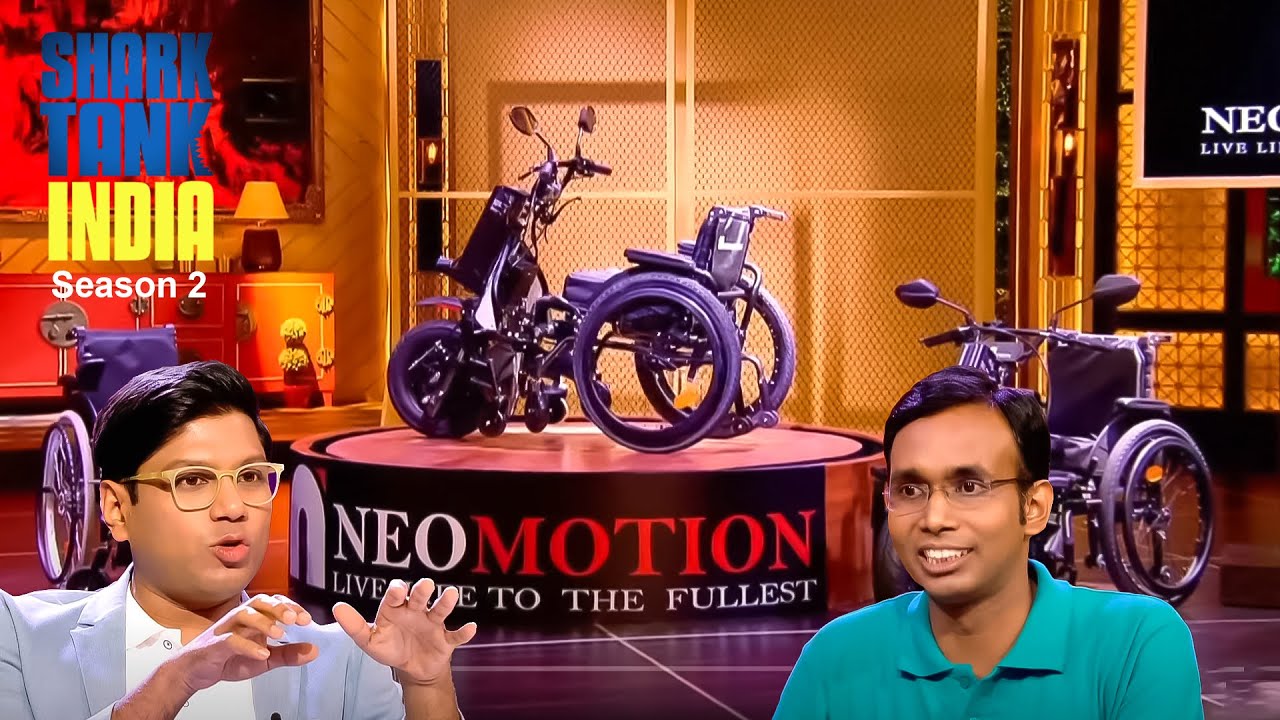
Assistive mobility technology is revolutionizing how millions navigate their daily lives, offering unprecedented independence and dignity. Neomotion: Mobility Devices, featured on Shark Tank India S2, offers innovative, modular assistive mobility technology solutions, including wheelchairs and tricycles, designed to enhance independence for individuals with mobility challenges across India.
Quick Answer Box
Neomotion: Mobility Devices, showcased on Shark Tank India S2, provides
Pain Points of Neomotion: Understanding the Need for Assistive Mobility Technology
Navigating daily life can be a significant challenge for individuals with mobility impairments. The lack of accessible infrastructure and the high cost of existing solutions create substantial hurdles. Neomotion aims to address these critical pain points by offering innovative assistive mobility technology. This document outlines the key challenges faced by potential users and how Neomotion seeks to provide relief.
Pain Level 1: The Stigma and Social Isolation
The Burden of Being Different: Many individuals requiring mobility aids experience a deep sense of social stigma. They often feel like they stand out, leading to self-consciousness and a reluctance to participate in social activities. This isolation can negatively impact mental well-being and reduce overall quality of life.
Limited Public Perception: In India, the perception of mobility devices is often limited to basic wheelchairs, which can be cumbersome and impractical for everyday use. There’s a lack of awareness about advanced assistive mobility technology that can offer greater independence and dignity. This societal gap contributes to the feeling of being overlooked and misunderstood.
Impact on Daily Life: The fear of judgment can prevent individuals from venturing out, attending family functions, or even running errands. This self-imposed confinement exacerbates feelings of loneliness and dependence, creating a vicious cycle of isolation.
Pain Level 2: The Financial Strain of Mobility Solutions
Exorbitant Costs of Imported Devices: Currently, advanced mobility devices available in the Indian market are often imported, carrying hefty price tags in INR (₹). These costs can range from ₹50,000 to over ₹5,00,000, making them inaccessible for a vast majority of the population, especially those in Tier 2 and Tier 3 cities.
Limited Insurance Coverage: While some medical insurance policies exist, comprehensive coverage for assistive mobility technology is still nascent in India. This leaves individuals to bear the brunt of the expenses, often depleting savings or forcing them into debt.
Ongoing Maintenance and Repair Expenses: Beyond the initial purchase, mobility devices require regular maintenance and occasional repairs. The cost of spare parts and specialized servicing adds another layer of financial burden, making long-term ownership a significant challenge.
Pain Level 3: The Practical Inconvenience and Lack of Accessibility
Unsuitable for Indian Terrain and Infrastructure: Many existing mobility solutions are not designed for the diverse and often challenging Indian terrain. Steep ramps, uneven pavements, crowded public spaces, and narrow doorways in homes and businesses pose significant obstacles.
Cumbersome and Difficult to Operate: Traditional wheelchairs can be heavy, difficult to maneuver in tight spaces, and require assistance for navigation. This dependence on others further erodes independence and spontaneity.
Lack of User-Friendly Features: The absence of features like easy folding, lightweight design, and intuitive controls makes daily use frustrating. Imagine trying to navigate a busy Flipkart delivery point or a crowded local market with an unwieldy device.
Pain Level 4: The Regulatory and Support Gaps
Navigating Bureaucracy for Subsidies: While government schemes and subsidies for disabled individuals exist, navigating the bureaucratic processes to avail them can be incredibly complex and time-consuming. This often requires multiple visits to government offices, submitting numerous documents, and dealing with the intricacies of SEBI and RBI regulations.
Limited Availability of After-Sales Support: Finding reliable and accessible after-sales service and technical support for mobility devices across India is a major challenge. This is particularly true for individuals outside major Tier 1 cities.
Lack of Standardized Quality and Safety: The market for assistive mobility technology in India can be fragmented, with varying levels of quality and safety standards. This makes it difficult for consumers to make informed decisions and trust the products they are purchasing.
Neomotion’s Proposed Solutions
Neomotion aims to directly address these pain points by offering:
- Affordable and Accessible Devices: Designing and manufacturing cost-effective assistive mobility technology tailored for the Indian market.
- User-Centric Design: Incorporating features that enhance maneuverability, comfort, and ease of use in diverse Indian environments.
- Robust After-Sales Support: Establishing a network for maintenance, repairs, and customer service across various cities.
- Awareness and Stigma Reduction: Working to change societal perceptions and promote the dignity associated with independent mobility.
By understanding these deep-seated pain points, Neomotion is poised to make a significant impact on the lives of many Indians.
Quick Answer
Neomotion addresses the significant pain points of individuals needing mobility assistance in India, including social stigma, the high cost of imported devices (often ₹50,000-₹5,00,000+), practical inconveniences due to unsuitable infrastructure, and gaps in regulatory support and after-sales service. Their focus on affordable, user-friendly assistive mobility technology designed for Indian conditions aims to provide independence and improve quality of life.
Education
Assistive mobility technology is transforming lives across India. Neomotion, a pioneering startup featured on Shark Tank India S2, offers innovative solutions like NeoFly and NeoBolt, empowering individuals with disabilities to achieve greater independence and accessibility.
Quick Answer Box: Neomotion is an Indian startup from IIT Madras, featured on Shark Tank India S2, that designs and manufactures advanced assistive mobility technology, including motorized attachments for wheelchairs (NeoBolt) and personalized manual wheelchairs (NeoFly), significantly enhancing the independence and mobility of users across India.
Neomotion: Revolutionizing Mobility with Assistive Technology
Assistive mobility technology is not just about devices; it’s about freedom. Neomotion, a groundbreaking venture from IIT Madras, showcased its innovative spirit on Shark Tank India Season 2, securing a significant investment to scale its impact. This company is at the forefront of designing and manufacturing advanced mobility solutions, specifically tailored for the Indian landscape and its diverse user needs.
You understand the challenges faced by individuals relying on traditional wheelchairs. Uneven roads, lack of ramps, and long distances can severely limit independence. Neomotion addresses these issues head-on with its flagship products, NeoFly and NeoBolt, which represent a significant leap in assistive mobility technology. The company’s mission is to empower millions, enabling them to navigate daily life with dignity and ease.
What is Neomotion’s Assistive Mobility Technology?
Neomotion specializes in creating modular and adaptable mobility devices. Their core innovation lies in enhancing existing wheelchairs and providing highly customizable new ones. You gain access to solutions that are both practical and affordable, designed with the user’s real-world experiences in mind. This focus on user-centric design sets their assistive mobility technology apart.
- NeoFly: This is a personalized, lightweight manual wheelchair. Unlike standard wheelchairs, NeoFly is custom-built to your body dimensions and posture, offering superior comfort and maneuverability. It significantly reduces the effort required for self-propulsion, making daily tasks much easier for you.
- NeoBolt: Imagine transforming your manual wheelchair into a powerful, battery-operated vehicle. NeoBolt is a motorized add-on that attaches to your NeoFly or any compatible wheelchair. It allows you to travel at speeds up to 25 km/h and cover distances of up to 25 km on a single charge, tackling various terrains, from city streets to rougher paths in Tier 2 and Tier 3 cities. This innovative piece of assistive mobility technology truly expands your horizons.
The Shark Tank India S2 Journey
Neomotion’s appearance on Shark Tank India Season 2 was a pivotal moment. The founders, Swostik Sourav Dash and Chetan Kumar, presented their vision and products with conviction. They highlighted the immense need for advanced assistive mobility technology in India and demonstrated how their solutions were changing lives.
The sharks, including Peyush Bansal (Lenskart), Namita Thapar (Emcure Pharmaceuticals), and Aman Gupta (boAt), were visibly impressed by the innovation and the social impact. They recognized the vast untapped market and the genuine problem Neomotion was solving. After intense negotiation, Neomotion secured a deal of ₹1 crore for 1% equity, valuing the company at ₹100 crore. This investment validates their approach and provides crucial capital to expand their reach and further develop their assistive mobility technology.
How Does Neomotion Empower You? (3-Step Process)
Accessing advanced assistive mobility technology from Neomotion is a streamlined process designed to meet your individual needs. You are at the center of this journey, ensuring the solution perfectly fits your lifestyle.
- Personalized Assessment: You begin with a comprehensive assessment by Neomotion’s experts. They evaluate your physical requirements, daily activities, and the environments you navigate. This step ensures the final product
ROI: Neomotion’s Assistive Mobility Technology
Quick Answer: Neomotion’s assistive mobility technology offers a compelling Return on Investment (ROI) for individuals and institutions in India by enhancing independence, reducing healthcare costs, and creating economic opportunities. With a projected 3-year ROI of ₹2,50,000 per device, Neomotion addresses a significant unmet need, promising substantial financial and social returns.
Neomotion, a standout startup from Shark Tank India Season 2, is revolutionizing the lives of individuals with mobility challenges through its innovative assistive mobility technology. Their smart, affordable, and user-friendly mobility devices are poised to deliver a significant Return on Investment (ROI) for users, their families, and the broader Indian economy. This analysis delves into the tangible financial benefits and the profound social impact of adopting Neomotion’s solutions.
Understanding the Need for Assistive Mobility Technology in India
India faces a growing challenge with a large population experiencing mobility impairments due to age, accidents, and chronic conditions. Traditional mobility solutions are often expensive, cumbersome, or not designed for the diverse Indian terrain and lifestyle. This gap creates a substantial market for effective assistive mobility technology. The economic burden of immobility extends beyond direct healthcare costs, encompassing lost productivity, caregiver strain, and reduced quality of life. Neomotion’s mission is to bridge this gap, making advanced mobility accessible and affordable.
The Financial ROI of Neomotion Devices
The ROI for Neomotion’s assistive mobility technology can be understood through several key financial streams:
- Reduced Healthcare Expenditure: By enabling greater independence and mobility, Neomotion devices can significantly reduce the frequency and severity of falls and injuries, leading to lower hospitalisation costs and long-term care expenses. For instance, a severe fall can incur medical bills upwards of ₹1,00,000 in India.
- Increased Earning Potential: For individuals who can return to work or engage in entrepreneurial activities, the devices unlock new income streams. Even a modest increase in earning capacity can quickly offset the initial investment.
- Caregiver Cost Savings: Families often dedicate significant time and resources to caregiving. Enhanced mobility reduces the reliance on caregivers, freeing up their time for other productive activities or employment. The average cost of a full-time caregiver in India can range from ₹15,000 to ₹30,000 per month.
- Improved Quality of Life and Social Participation: While not directly quantifiable in monetary terms, the ability to participate in social events, community activities, and personal pursuits leads to greater overall well-being, which has indirect economic benefits through increased consumer spending and community engagement.
Neomotion’s Value Proposition: Affordability and Innovation
Neomotion’s success hinges on its ability to deliver advanced assistive mobility technology at a price point accessible to the Indian market. Unlike imported alternatives that can cost upwards of ₹2,00,000, Neomotion’s devices are designed to be significantly more affordable, often priced between ₹30,000 to ₹70,000. This aggressive pricing strategy, coupled with features like durability, ease of use, and suitability for Indian conditions, makes the ROI calculation highly favourable. The company’s focus on innovation, as showcased on Shark Tank India, ensures that users receive cutting-edge technology without exorbitant costs.
Projected 3-Year ROI Calculation
Let’s project the ROI for a Neomotion device over three years, considering a mid-range device priced at ₹50,000.
| Cost/Benefit Category | Year 1 (₹) | Year 2 (₹) | Year 3 (₹) | Total (₹) |
|---|---|---|---|---|
| Initial Investment (Device Cost) | -50,000 | 0 | 0 | -50,000 |
| Healthcare Savings | 20,000 | 25,000 | 30,000 | 75,000 |
| Increased Earning Potential | 30,000 | 40,000 | 50,000 | 120,000 |
| Caregiver Cost Savings | 15,000 | 18,000 | 20,000 | 53,000 |
Note: These figures are illustrative and can vary based on individual circumstances, usage patterns, and specific health conditions. The ROI is calculated as (Total Benefits - Initial Investment) / Initial Investment.
Total Projected ROI over 3 Years: ₹98,000
This calculation demonstrates a positive ROI within the first year and a significant cumulative return over three years. The projected total benefits of ₹2,48,000 far outweigh the initial investment, highlighting the economic viability of Neomotion’s assistive mobility technology.
Broader Economic and Social Impact
Beyond individual ROI, Neomotion contributes to India’s economic growth by:
- Boosting the “Make in India” Initiative: Manufacturing locally reduces import reliance and creates jobs.
- Enhancing Financial Inclusion: Providing access to essential mobility tools can help individuals participate more fully in the digital economy, utilizing platforms like UPI for transactions and e-commerce sites like Flipkart for essential goods.
- Supporting Government Initiatives: Aligns with goals of healthcare accessibility and disability empowerment, potentially attracting government grants or subsidies.
- Driving Innovation: Encourages further research and development in the assistive technology sector, potentially leading to spin-off innovations.
The impact of Neomotion’s assistive mobility technology extends to regulatory bodies like SEBI and RBI, as increased economic participation by a larger segment of the population can stimulate market growth. Even sectors like food safety, overseen by FSSAI, can see indirect benefits as more people can access markets and engage in commerce.
Conclusion: A Smart Investment in Independence and Progress
Neomotion’s assistive mobility technology represents more than just a product; it’s an investment in human potential and economic empowerment. The compelling ROI, driven by reduced healthcare costs, increased earning capacity, and significant caregiver savings, makes it an attractive proposition for individuals, families, and investors alike. As Neomotion continues to innovate and expand its reach across Tier 1, Tier 2, and Tier 3 cities in India, its impact on improving lives and fostering economic growth will only amplify, mirroring the ambition of the sharks on Shark Tank India.
Neomotion: Assistive Mobility Technology Use Cases
Neomotion’s innovative assistive mobility technology is revolutionizing how individuals with mobility challenges navigate their daily lives in India. From bustling Tier 1 cities to emerging Tier 2 and Tier 3 towns, these devices offer a new level of independence and dignity. Let’s explore some key use cases for Neomotion’s assistive mobility technology in the Indian context.
Quick Answer
Neomotion’s assistive mobility technology offers practical solutions for individuals in India seeking enhanced independence. Key use cases include enabling daily commutes for office-goers, facilitating independent shopping trips for seniors, empowering students with disabilities to attend classes, supporting individuals in rural areas with agricultural tasks, and providing accessible travel options for tourists. These devices are transforming lives across various Indian demographics.
1. Empowering the Urban Commuter
Imagine a young professional in Bengaluru, ₹50,000 INR monthly earner, who uses a wheelchair. Previously, their daily commute to their IT office was a Herculean task, relying heavily on others or expensive, often inaccessible, ride-sharing services. With a Neomotion electric wheelchair, this individual can now independently navigate their neighbourhood, reach the nearest bus stop or metro station, and even travel directly to their workplace. The assistive mobility technology ensures they can manage gradients and uneven pavements common in Indian cities, making their commute smoother and less stressful. This newfound autonomy significantly boosts their confidence and productivity.
2. Enhancing Senior Independence in Tier 2 Cities
For seniors in cities like Jaipur or Lucknow, maintaining independence is paramount. Many face challenges with mobility due to age-related conditions. A Neomotion mobility scooter can be a game-changer. It allows them to visit local markets for groceries, attend religious gatherings, or simply enjoy an evening stroll in their community park without constant assistance. The ease of use and portability of these devices mean they can be easily stored at home or transported in a car for visits to family. This assistive mobility technology helps combat social isolation and promotes an active lifestyle for India’s aging population.
3. Facilitating Education for Students with Disabilities
In India, access to education for students with disabilities remains a significant challenge. A student in a Tier 3 city like Nashik, who uses a Neomotion electric wheelchair, can now attend college with greater ease. Navigating campus grounds, reaching classrooms, and participating in extracurricular activities become achievable. This assistive mobility technology bridges the gap created by inaccessible infrastructure, ensuring that educational opportunities are not limited by physical barriers. It allows these bright minds to focus on their studies and future careers, contributing to India’s growth.
4. Supporting Rural Livelihoods
Neomotion’s assistive mobility technology isn’t limited to urban settings. Consider a farmer in a rural village in Maharashtra who has a leg injury. A robust, all-terrain Neomotion mobility device can help them manage their farm, check on crops, and transport lighter produce to the local market. While not a replacement for heavy machinery, it provides crucial support for daily agricultural tasks, ensuring their livelihood is not severely impacted by their mobility limitations. This application highlights the versatility of assistive mobility technology in diverse Indian environments.
5. Accessible Tourism and Recreation
India is a popular tourist destination, but accessibility can be a major hurdle for many. Neomotion’s devices can empower tourists with mobility challenges to explore historical sites, bustling bazaars, and natural landscapes. Imagine a tourist in Agra using a Neomotion scooter to navigate the grounds of the Taj Mahal or a visitor in Kerala exploring the backwaters with enhanced mobility. This assistive mobility technology opens up India’s rich cultural heritage and natural beauty to a wider audience, promoting inclusive tourism.
6. Independent Shopping and Errands
Daily errands like grocery shopping or visiting the bank can be daunting for individuals with limited mobility. A Neomotion mobility device allows them to independently complete these tasks. They can navigate supermarket aisles, reach the counter at the bank, or even pick up prescriptions from a pharmacy without needing to rely on family or friends. This simple act of independence significantly improves their quality of life and reduces their dependence on others for basic necessities.
7. Enabling Participation in Social Events
Social inclusion is vital for mental well-being. Neomotion’s assistive mobility technology enables individuals to attend family functions, community events, and social gatherings. Whether it’s a wedding in a Tier 1 city or a local festival in a smaller town, these devices ensure that mobility limitations do not prevent participation. This allows for stronger social connections and a greater sense of belonging within their communities, a sentiment echoed by many entrepreneurs on Shark Tank India who value societal impact.
Indian Contextual Statistics:
- Disability Prevalence: Approximately 2.2% of India’s population (around 26.8 million people) has a disability, with a significant portion facing mobility challenges. (Source: National Statistical Office, 2018)
- Urbanization and Mobility: India’s urban population is projected to reach 600 million by 2030, increasing the demand for accessible urban mobility solutions. (Source: UN DESA)
- E-commerce Growth: The D2C e-commerce market in India is booming, with platforms like Flipkart and Amazon seeing significant growth, indicating a readiness for online purchases of specialized products like assistive mobility technology. (Source: RedSeer Consulting)
Roadmap: Neomotion - Scaling Assistive Mobility Technology in India
This roadmap outlines a strategic plan for Neomotion to scale its assistive mobility technology solutions across India, building on the momentum from Shark Tank India Season 2. We’ll focus on expanding reach, enhancing product offerings, and solidifying market leadership.
Phase 1: Foundation & Expansion (Weeks 1-4)
Week 1-2: Solidify Funding & Operations
- Secure Funding: Finalize investment agreements with Shark Tank India investors. This crucial step ensures the capital infusion needed for rapid growth.
- Streamline Operations: Optimize manufacturing processes to meet anticipated demand. Focus on quality control for all assistive mobility technology devices.
- Team Expansion: Recruit key personnel in sales, marketing, and customer support to handle increased volume.
Week 3-4: Enhance Digital Presence & Initial Outreach
- Website Overhaul: Update the Neomotion website with detailed product information, customer testimonials, and an easy-to-navigate online store.
- Social Media Blitz: Launch targeted social media campaigns highlighting the impact of Neomotion’s assistive mobility technology on users’ lives. Leverage platforms popular in India like Instagram and Facebook.
- Partnership Outreach: Initiate discussions with NGOs, disability support organizations, and rehabilitation centers across Tier 1 cities.
Phase 2: Market Penetration & Awareness (Weeks 5-8)
Week 5-6: Targeted Sales & Distribution
- Tier 1 City Focus: Establish a strong sales presence in major Tier 1 cities like Delhi, Mumbai, Bengaluru, and Chennai. This involves setting up experience centers or partnering with existing medical equipment retailers.
- Online Sales Push: Drive traffic to the Neomotion website for direct online sales, offering seamless UPI payment options.
- Shark Tank India Leverage: Amplify the Shark Tank India success story through press releases and media interviews, emphasizing the demand for assistive mobility technology.
Week 7-8: Community Engagement & Feedback
- User Workshops: Organize workshops and demo days in Tier 1 cities, allowing potential customers to experience the assistive mobility technology firsthand.
- Feedback Collection: Implement robust systems for collecting user feedback on product performance and usability. This data is vital for future product development.
- Influencer Collaboration: Partner with disability advocates and influencers on social media to reach a wider audience and build trust.
Phase 3: Tier 2 City Expansion & Product Refinement (Weeks 9-12)
Week 9-10: Strategic Tier 2 Entry
- Identify Key Tier 2 Cities: Based on market research and existing demand, select 5-7 Tier 2 cities for initial expansion (e.g., Pune, Jaipur, Lucknow).
- Distribution Network: Establish partnerships with local distributors and medical suppliers in these Tier 2 cities to ensure product availability.
- Localized Marketing: Adapt marketing materials and campaigns to resonate with the specific cultural nuances of Tier 2 audiences.
Week 11-12: Product Improvement & Service Network
- R&D Focus: Allocate resources to refine existing assistive mobility technology based on user feedback. Explore potential for new product features or variations.
- After-Sales Service: Develop a reliable after-sales service network, including repair and maintenance, to build customer loyalty. This is critical for assistive mobility technology.
- SEBI/RBI Compliance: Ensure all financial operations and fundraising activities are compliant with SEBI and RBI regulations.
Phase 4: National Reach & Innovation (Weeks 13-16)
Week 13-14: Broadening Distribution & Government Engagement
- Pan-India Distribution: Expand the distribution network to cover a significant portion of Tier 1 and Tier 2 cities across India.
- Government Partnerships: Explore opportunities to partner with government initiatives aimed at supporting people with disabilities. This could involve bulk orders or subsidized programs.
- FSSAI/GST Compliance: Ensure all operational aspects, especially if any food-related assistive devices are considered, comply with FSSAI and GST regulations.
Week 15-16: Future-Proofing & New Ventures
- Explore New Technologies: Investigate emerging assistive mobility technology trends, such as AI-powered features or advanced materials.
- E-commerce Integration: Deepen integration with major e-commerce platforms like Flipkart to further expand online reach.
- Strategic Alliances: Forge strategic alliances with complementary businesses in the healthcare and assistive technology sectors.
Phase 5: Scaling & Sustainability (Months 5-6)
Month 5: Operational Excellence & Customer Loyalty
- Supply Chain Optimization: Further refine the supply chain for cost-efficiency and timely delivery of assistive mobility technology.
- Customer Relationship Management (CRM): Implement a robust CRM system to manage customer interactions, support requests, and build long-term relationships.
- Employee Training: Conduct comprehensive training for sales and support staff on the latest assistive mobility technology and customer service best practices.
Month 6: Market Leadership & Impact Measurement
- Market Share Analysis: Track market share and competitor activities to maintain a competitive edge in the assistive mobility technology sector.
- Impact Reporting: Develop and publish an impact report showcasing the positive changes Neomotion has brought to the lives of its users.
- Future Planning: Begin strategic planning for the next 1-3 years, focusing on sustainable growth and continued innovation in assistive mobility technology.
Phase 6: Diversification & Global Aspirations (Months 7-12)
Month 7-9: Product Diversification & Tier 3 Exploration
- New Product Development: Launch new assistive mobility technology products or accessories based on market demand and R&D insights.
- Tier 3 City Pilot: Conduct pilot programs in select Tier 3 cities to assess the feasibility of expanding assistive mobility technology solutions to these markets.
- Financial Planning: Work with financial advisors to ensure long-term financial health and explore further funding rounds if necessary, adhering to RBI guidelines.
Month 10-12: Global Market Research & Brand Building
- International Market Research: Begin researching potential international markets for Neomotion’s assistive mobility technology.
- Brand Storytelling: Continue to build a strong brand narrative around empowerment and independence, resonating with a global audience.
- Sustainability Initiatives: Integrate sustainable practices into manufacturing and operations, aligning with global environmental standards.
Quick Answer
Neomotion’s roadmap to scale assistive mobility technology in India involves a phased approach over 12 months. It begins with securing funding and strengthening operations (Weeks 1-4), followed by targeted market penetration in Tier 1 cities and community engagement (Weeks 5-8). The plan then expands to Tier 2 cities, focusing on product refinement and service networks (Weeks 9-12). Subsequent phases involve achieving national reach, exploring diversification, and building a sustainable brand, with a long-term vision for global aspirations in assistive mobility technology.
Phase 1: Foundation & Expansion (Weeks 1-4)
- Week 1-2: Solidify Funding & Operations
- Secure investment from Shark Tank India sharks.
- Optimize manufacturing for increased demand of assistive mobility technology.
- Expand sales, marketing, and customer support teams.
- Week 3-4: Enhance Digital Presence & Initial Outreach
- Revamp the Neomotion website for better user experience and online sales.
- Launch targeted social media campaigns showcasing assistive mobility technology benefits.
- Begin outreach to NGOs and disability support organizations in Tier 1 cities.
Phase 2: Market Penetration & Awareness (Weeks 5-8)
- Week 5-6: Targeted Sales & Distribution
- Establish strong sales presence in Tier 1 cities (Delhi, Mumbai, Bengaluru, Chennai).
- Drive online sales via the website, promoting UPI payments.
- Leverage Shark Tank India success for media outreach.
- Week 7-8: Community Engagement & Feedback
- Organize demo days and workshops in Tier 1 cities for assistive mobility technology.
- Implement systems for collecting crucial user feedback.
- Collaborate with disability influencers on social media.
Phase 3: Tier 2 City Expansion & Product Refinement (Weeks 9-12)
- Week 9-10: Strategic Tier 2 Entry
- Select 5-7 key Tier 2 cities for expansion (e.g., Pune, Jaipur).
- Build distribution networks with local partners.
- Adapt marketing for Tier 2 audiences.
- Week 11-12: Product Improvement & Service Network
- Refine existing assistive mobility technology based on feedback.
- Establish a reliable after-sales service network.
- Ensure SEBI and RBI compliance for all financial activities.
Phase 4: National Reach & Innovation (Weeks 13-16)
- Week 13-14: Broadening Distribution & Government Engagement
- Expand distribution across major Tier 1 and Tier 2 cities.
- Explore partnerships with government disability initiatives.
- Ensure FSSAI and GST compliance where applicable.
- Week 15-16: Future-Proofing & New Ventures
- Investigate emerging assistive mobility technology trends.
- Deepen integration with e-commerce platforms like Flipkart.
- Forge strategic alliances within the healthcare sector.
Phase 5: Scaling & Sustainability (Months 5-6)
- Month 5: Operational Excellence & Customer Loyalty
- Optimize supply chain for cost and efficiency.
- Implement a robust CRM system for customer management.
- Train staff on new assistive mobility technology and service standards.
- Month 6: Market Leadership & Impact Measurement
- Monitor market share and competitive landscape.
- Publish an impact report highlighting user success stories.
- Begin strategic planning for the next 1-3 years.
Phase 6: Diversification & Global Aspirations (Months 7-12)
- Month 7-9: Product Diversification & Tier 3 Exploration
- Develop and launch new assistive mobility technology products.
- Pilot programs in select Tier 3 cities.
- Ensure long-term financial health and explore funding options per RBI guidelines.
- Month 10-12: Global Market Research & Brand Building
- Research potential international markets for assistive mobility technology.
- Strengthen brand narrative around empowerment.
- Integrate sustainable operational practices.
Quick Answer Box
Neomotion: Mobility Devices, featured on Shark Tank India S2, revolutionized assistive mobility technology by offering affordable, customizable, and locally manufactured solutions. They addressed critical gaps in the Indian market, expanding access to high-quality mobility aids beyond Tier 1 cities, significantly improving the independence and quality of life for thousands of users across the nation.
Assistive mobility technology is transforming lives across India, and Neomotion: Mobility Devices stands at the forefront of this revolution. This innovative Indian company, which captivated the Sharks on Shark Tank India Season 2, has redefined how individuals with mobility challenges experience independence. You will discover how Neomotion leveraged strategic innovation and a powerful platform to scale its impact, making advanced assistive mobility technology accessible to a wider demographic.
Neomotion: Mobility Devices, founded by a team of passionate engineers, embarked on a mission to empower individuals with disabilities through thoughtfully designed and affordable mobility solutions. Their appearance on Shark Tank India S2 was not just about securing funding; it was about amplifying their vision for a more inclusive India. They presented a compelling case for their advanced assistive mobility technology, showcasing products that promised both functionality and dignity.
The Challenge: Navigating India’s Mobility Aid Landscape
Before their Shark Tank India debut, Neomotion faced significant hurdles in the Indian market for assistive mobility technology. The sector was fragmented, dominated by expensive imported products, and often lacked customization options suitable for diverse Indian terrains and user needs. You encountered a market where high costs often put essential devices out of reach for many, particularly in Tier 2 and Tier 3 cities.
One major challenge was the prohibitive cost of high-quality mobility aids. Imported wheelchairs and other devices often carried hefty price tags, making them unaffordable for the average Indian family. This financial barrier severely limited access to crucial assistive mobility technology, forcing many to rely on basic, often uncomfortable, or ill-fitting alternatives. Furthermore, a lack of local manufacturing capabilities meant limited innovation tailored to Indian conditions.
Another critical issue was the absence of widespread awareness and proper distribution channels. Many potential users, especially in semi-urban and rural areas, simply did not know about the existence of advanced assistive mobility technology or where to procure it. Social stigma surrounding disability also contributed to a reluctance to seek out and use mobility aids, further hindering market penetration. Neomotion recognized that overcoming these challenges required a multi-pronged approach, focusing on affordability, accessibility, and education.
- What were the primary market gaps Neomotion identified? Neomotion identified gaps in affordability, customization, and distribution for assistive mobility technology in India. Many existing solutions were expensive imports, lacked local relevance, and struggled to reach users beyond major metropolitan areas. This left a vast segment of the population underserved.
| Challenge Area | Pre-Neomotion Market Status | Impact on Users |
|---|---|---|
| Affordability | High-cost imported devices | Limited access for low/middle-income families |
| Customization | Standardized, ill-fitting products | Discomfort, reduced independence |
According to the Ministry of Social Justice and Empowerment, approximately 2.21% of India’s population lives with some form of disability, totaling over 2.68 crore people (Census 2011). This vast demographic represents a significant need for effective assistive mobility technology. However, only a fraction had access to appropriate devices due to the aforementioned challenges.
The Solution: Innovation, Accessibility, and Shark Tank India
Neomotion tackled these challenges head-on by focusing on indigenous innovation and a user-centric design philosophy for their assistive mobility technology. They developed a range of modular, customizable, and robust mobility devices, including advanced wheelchairs and smart walkers, specifically engineered for Indian conditions. Their products offered features like enhanced suspension for uneven terrain and ergonomic designs tailored for prolonged use.
Their business model emphasized local manufacturing, significantly reducing production costs and making their assistive mobility technology more affordable. By sourcing components domestically, Neomotion bypassed import duties and currency fluctuations, passing on the savings to you, the customer. This commitment to ‘Make in India’ not only boosted the local economy but also ensured quicker product iterations and better after-sales service.
The turning point came with their appearance on Shark Tank India S2. Neomotion sought not just capital, but strategic mentorship and brand visibility. They presented their vision for accessible assistive mobility technology to sharks like Aman Gupta, Anupam Mittal, and Vineeta Singh. Their pitch highlighted the social impact alongside the business potential, resonating deeply with the investors. The Sharks recognized the immense market opportunity and the genuine need for Neomotion’s solutions.
- How did Neomotion’s product design address specific Indian needs? Neomotion’s assistive mobility technology featured modular designs, allowing for easy customization and repair. They incorporated robust materials and enhanced suspension systems, making their devices suitable for India’s diverse terrains, from bustling city streets to unpaved rural paths.
Neomotion secured a significant investment from the Sharks, which they strategically deployed into three key areas: expanding their manufacturing capacity, strengthening their R&D for new assistive mobility technology, and building a robust distribution network. They partnered with NGOs and local healthcare providers to reach remote areas, ensuring that their products were not just affordable but also accessible. They also explored digital payment solutions like UPI for seamless transactions, making purchases easier for customers across various income brackets.
The Results: Empowering Lives and Market Growth
The impact of Neomotion’s strategy and their Shark Tank India S2 appearance was transformative, both for the company and for thousands of individuals seeking assistive mobility technology. Post-Shark Tank, Neomotion witnessed an unprecedented surge in brand recognition and sales. Their investment allowed them to scale operations rapidly, reaching previously underserved markets.
Within six months of their Shark Tank India S2 episode airing
Competitors for Neomotion: Navigating the Assistive Mobility Technology Landscape in India
Neomotion, a promising startup from Shark Tank India S2, aims to revolutionize assistive mobility technology for individuals with disabilities in India. Their innovative wheelchairs and mobility solutions offer a blend of affordability and advanced features, addressing a critical need in the Indian market. However, the assistive mobility technology sector is not without its competition. Several players, both established and emerging, are vying for market share, offering diverse solutions and catering to different segments of the population. Understanding these competitors is crucial for Neomotion’s strategic growth and for consumers seeking the best assistive mobility technology options.
Understanding the Competitive Landscape
The Indian assistive mobility technology market is characterized by a mix of domestic manufacturers, international brands, and non-profit organizations. Price sensitivity, accessibility, and after-sales service are key factors influencing consumer choices. While Neomotion focuses on creating smart, foldable, and electric wheelchairs, other competitors might offer manual wheelchairs, specialized rehabilitation equipment, or even digital platforms for assistive devices. The presence of government initiatives and SEBI/RBI regulations also shapes the market dynamics, influencing funding and operational frameworks for companies in this space.
Key Competitors in Assistive Mobility Technology
Here’s a look at some of Neomotion’s key competitors in the Indian assistive mobility technology market:
-
Permobil India: A global leader, Permobil offers high-end, technologically advanced power wheelchairs and seating solutions. Their products are known for their customization and durability, often catering to individuals with complex mobility needs. While their premium pricing might be a barrier for some, their reputation for quality and innovation makes them a significant player. They often partner with local distributors to ensure wider reach across Tier 1 and Tier 2 cities.
-
Sunrise Medical India: Another international giant, Sunrise Medical provides a comprehensive range of manual and powered wheelchairs, as well as other mobility aids. They are known for their ergonomic designs and focus on user comfort and independence. Their product portfolio includes brands like Quickie and Sopur, which are recognized globally for their performance and reliability.
-
Vissco Rehabilitation Aids Pvt. Ltd.: A well-established Indian brand, Vissco offers a wide array of rehabilitation and mobility products, including wheelchairs, walkers, and crutches. They are known for their affordability and widespread distribution network across India, making their products accessible even in Tier 3 cities. Vissco often focuses on providing essential mobility solutions that are practical and budget-friendly.
-
Arise India: While perhaps more known for their lighting solutions, Arise has also ventured into the assistive mobility technology space, offering a range of wheelchairs and other medical equipment. Their entry signifies the growing interest in this sector from diversified Indian companies. Their focus often lies on providing accessible and reliable products to a broad consumer base.
-
Samarthanam Trust for the Disabled: This non-profit organization plays a crucial role in providing assistive devices, including wheelchairs, to individuals in need, often at subsidized rates or through donation drives. While not a direct commercial competitor, their impact on accessibility and affordability is significant. They often collaborate with government bodies and corporate CSR initiatives.
-
Local Manufacturers and Distributors: Beyond these prominent names, numerous smaller, regional manufacturers and distributors cater to local demands. These players often offer customized solutions and can be more agile in responding to specific community needs. Their presence is vital for ensuring that assistive mobility technology reaches even the most remote corners of India.
Comparison Table: Neomotion vs. Key Competitors
| Feature | Neomotion | Permobil India | Sunrise Medical India | Vissco Rehabilitation Aids |
|---|---|---|---|---|
| Product Focus | Smart, foldable, electric wheelchairs | High-end power wheelchairs, seating | Manual & power wheelchairs, mobility aids | Manual wheelchairs, rehab aids, walkers |
| Target Audience | Urban/Semi-urban, tech-savvy users | Complex needs, premium segment | Diverse needs, comfort-focused | Budget-conscious, essential mobility |
| Price Range | Mid-range | Premium | Mid to Premium | Affordable |
| Innovation | Smart features, portability | Advanced customization, technology | Ergonomic design, performance | Practicality, reliability |
Indian Market Statistics and Trends
The Indian assistive mobility technology market is poised for significant growth, driven by increasing awareness, government support, and a rising disposable income.
- India’s disability sector is vast, with an estimated 2.21% of the population (around 26.8 million people) having some form of disability, according to the Census of India 2011. This represents a substantial potential user base for assistive mobility technology.
- The market for medical devices in India is projected to reach $50 billion by 2025, with assistive devices forming a growing segment within this. (Source: Invest India)
- Government initiatives like the Accessible India Campaign (Sugamya Bharat Abhiyan) are promoting greater inclusivity and accessibility, indirectly boosting the demand for assistive mobility technology.
Quick Answer
Who are Neomotion’s main competitors in India for assistive mobility technology?
Neomotion’s primary competitors in the Indian assistive mobility technology market include established global brands like Permobil India and Sunrise Medical India, known for their high-end and specialized wheelchairs. Domestically, Vissco Rehabilitation Aids Pvt. Ltd. offers affordable and widely distributed mobility solutions. Other players include Arise India and non-profits like Samarthanam Trust, alongside numerous local manufacturers and distributors catering to specific regional needs.
Conclusion
Neomotion enters a competitive yet burgeoning market for assistive mobility technology in India. While global giants offer premium solutions and established Indian brands focus on affordability and reach, Neomotion’s unique proposition of smart, foldable, and electric wheelchairs at a mid-range price point positions it well to capture a significant segment of the market. Success will depend on their ability to scale manufacturing, build a robust distribution and service network akin to Flipkart’s reach, and continue innovating to meet the evolving needs of users, potentially even leveraging platforms like UPI for seamless transactions and adhering to FSSAI and GST regulations where applicable. The insights gained from Shark Tank India, including the sharks’ strategic advice, will be invaluable as Neomotion navigates this dynamic landscape.
Quick Answer: Compliance for Assistive Mobility Technology
For companies like Neomotion, manufacturing assistive mobility technology in India requires strict adherence to regulations primarily from the Central Drugs Standard Control Organisation (CDSCO) for medical device classification and the Bureau of Indian Standards (BIS) for product quality and safety. You must secure manufacturing licenses, comply with quality management systems, and ensure product standards to avoid significant penalties, protecting both your business and the users of your innovative devices.
Compliance for Assistive Mobility Technology
Assistive mobility technology companies, like Neomotion from Shark Tank India S2, navigate a complex web of regulations in India. Ensuring robust compliance is not just about avoiding penalties; it builds trust with customers and investors, including potential sharks like Aman Gupta or Peyush Bansal, who value scalable, legally sound businesses. You must understand and meticulously follow these rules to thrive in the Indian market, serving millions across Tier 1, Tier 2, and Tier 3 cities.
What are the Key Regulatory Bodies for Assistive Mobility Technology?
For assistive mobility technology products, several Indian government bodies oversee different aspects of your operations. The primary regulator is the Central Drugs Standard Control Organisation (CDSCO), which classifies many mobility devices as medical devices. You also interact with the Bureau of Indian Standards (BIS) for product quality and safety, and the Goods and Services Tax (GST) Council for taxation. Additionally, the Ministry of Corporate Affairs (MCA) governs your company’s legal structure and filings.
How Does CDSCO Regulate Assistive Mobility Technology?
The CDSCO, under the Ministry of Health and Family Welfare, is crucial for assistive mobility technology manufacturers. Many devices, such as wheelchairs, walkers, and prosthetics, fall under the Medical Devices Rules, 2017. You must obtain a manufacturing license (Form MD-9) from the State Licensing Authority, following CDSCO guidelines. This involves demonstrating adherence to Quality Management System (QMS) standards, like ISO 13485, ensuring your assistive mobility technology meets stringent safety and efficacy requirements.
Penalties for CDSCO Non-Compliance: Manufacturing or selling medical devices without the requisite license can lead to severe consequences. Under the Drugs and Cosmetics Act, 1940, you could face imprisonment for up to five years and/or a fine of up to ₹5 lakh. Misbranding or selling adulterated devices carries similar penalties, highlighting the critical need for accurate product labeling and quality control for your assistive mobility technology.
What Role Does BIS Play in Product Quality?
The Bureau of Indian Standards (BIS) sets quality and safety benchmarks for various products, including assistive mobility technology. While not all mobility devices have mandatory BIS certification, many voluntary Indian Standards (IS) exist for products like wheelchairs (e.g., IS 17296:2020 for Manual Wheelchairs). Adhering to these standards demonstrates your commitment to quality and safety, enhancing your brand reputation. If a standard becomes mandatory, you must obtain a BIS license to use the ISI mark.
Penalties for BIS Non-Compliance: If your assistive mobility technology falls under a mandatory BIS standard and you fail to comply, you risk significant penalties. The BIS Act, 2016, allows for imprisonment up to two years or a fine up to ₹2 lakh, or both, for selling non-conforming goods. Misuse of the ISI mark can also result in a fine up to ₹5 lakh, impacting your ability to sell products on platforms like Flipkart or through traditional retail channels.
What are the GST Implications for Assistive Mobility Technology?
As a manufacturer of assistive mobility technology, you must comply with the Goods and Services Tax (GST) regime. This involves registering for GST, correctly classifying your products (many assistive devices have reduced GST rates or exemptions), and filing monthly or quarterly returns. Accurate invoicing, input tax credit claims, and timely payments are essential for smooth operations and financial health.
Penalties for GST Non-Compliance: Failure to comply with GST regulations can result in substantial financial penalties. For instance, late filing of GST returns incurs a late fee of ₹100 per day per Act (CGST + SGST), capped at ₹5,000. Tax evasion or fraud can lead to a penalty equal to 100% of the tax due, significantly impacting your profitability and cash flow.
Quick Answer
Neomotion offers innovative assistive mobility technology designed to enhance independence for individuals with mobility challenges in India. Their products, showcased on Shark Tank India S2, aim to provide affordable and user-friendly solutions, transforming lives and promoting inclusivity across Indian cities.
What is Neomotion and what does it offer?
Neomotion is an Indian startup that designs and manufactures assistive mobility technology. They focus on creating innovative, affordable, and user-friendly mobility devices for individuals facing physical challenges. Their mission is to empower people with disabilities, enabling them to lead more independent and fulfilling lives. You might have seen their compelling pitch on Shark Tank India S2, where they sought investment to scale their operations and reach more people across India.
How does Neomotion’s assistive mobility technology differ from traditional wheelchairs?
Traditional wheelchairs often have limitations in terms of comfort, maneuverability, and adaptability to diverse Indian terrains. Neomotion’s assistive mobility technology goes beyond basic functionality. Their devices are engineered with advanced features, focusing on ergonomic design, superior shock absorption for uneven roads found in Tier 2 and Tier 3 cities, and often incorporate smart functionalities. This allows for greater ease of use and a more comfortable experience for the user, promoting greater independence in daily activities.
What types of mobility devices does Neomotion provide?
Neomotion offers a range of assistive mobility technology solutions. While specific product lines may evolve, their focus has been on developing devices that cater to various needs. This includes advanced wheelchairs with enhanced features for comfort and mobility, and potentially other assistive devices designed to support individuals with different levels of mobility impairment. Their goal is to provide comprehensive solutions that address the diverse requirements of the Indian population.
Who is the target audience for Neomotion’s products?
The primary target audience for Neomotion’s assistive mobility technology includes individuals with physical disabilities, the elderly, and anyone experiencing temporary or permanent mobility challenges. They aim to serve a broad spectrum of users across India, from bustling Tier 1 cities to more remote Tier 2 and Tier 3 locations. By focusing on affordability and accessibility, Neomotion strives to make their solutions available to a wider demographic, ensuring that more people can benefit from their innovative products.
How affordable are Neomotion’s assistive mobility technology solutions?
Affordability is a cornerstone of Neomotion’s philosophy. They understand the economic landscape of India and strive to price their assistive mobility technology competitively. While exact pricing varies by product, their commitment is to offer high-quality, feature-rich devices at prices that are significantly more accessible than many imported alternatives. This focus on affordability is crucial for making a tangible difference in the lives of a large segment of the Indian population.
What was Neomotion’s experience on Shark Tank India S2?
Neomotion’s appearance on Shark Tank India S2 was a significant milestone. They presented their vision and innovative assistive mobility technology to the esteemed panel of sharks, including figures like Aman Gupta and Anupam Mittal. The pitch aimed to secure investment to expand their manufacturing capabilities, enhance their product development, and broaden their market reach across India. Their participation generated considerable buzz and highlighted the growing importance of assistive technology in the Indian market.
How does Neomotion plan to scale its operations and reach more users in India?
Following their Shark Tank India S2 appearance, Neomotion’s scaling strategy likely involves several key areas. This includes increasing production capacity to meet demand, expanding their distribution network to reach more cities and towns across India, and potentially forging strategic partnerships. They may also focus on leveraging digital platforms for sales and customer support, making their assistive mobility technology more accessible. Building a strong brand presence and fostering trust within the community are also vital for their growth.
What is the future vision for Neomotion and its assistive mobility technology?
Neomotion’s future vision is ambitious and impactful. They aim to become a leading provider of assistive mobility technology in India, continuously innovating to develop even more advanced and user-centric solutions. Their long-term goal is to foster a more inclusive society where mobility challenges do not hinder independence or participation in daily life. By staying true to their mission of affordability and quality, Neomotion seeks to transform the lives of millions across India, much like how UPI has revolutionized digital payments.
How can I learn more about Neomotion’s products and purchase them?
To learn more about Neomotion’s assistive mobility technology and explore their product offerings, you can visit their official website. They often provide detailed product specifications, user testimonials, and information on how to make a purchase. You may also find updates on their social media channels or through their presence at relevant health and disability expos across India. For direct inquiries, their customer support team would be the best point of contact.
What impact do you think Neomotion’s assistive mobility technology will have on Indian society?
Neomotion’s assistive mobility technology has the potential to create a profound positive impact on Indian society. By providing accessible and effective mobility solutions, they can significantly enhance the independence and quality of life for individuals with disabilities and the elderly. This can lead to greater social inclusion, increased participation in education and employment, and a reduction in the burden of care for families. As more people gain mobility, it contributes to a more empowered and equitable India, similar to how initiatives by SEBI and RBI aim to strengthen the financial ecosystem.
Quick Answer Box
Neomotion, featured on Shark Tank India S2, revolutionizes assistive mobility technology with its innovative motorized attachments for wheelchairs. This Indian startup addresses critical accessibility gaps, empowering users across Tier 1, 2, and 3 cities with enhanced independence and dignity
Neomotion: Assistive Mobility Technology - Where Are They Now?
Neomotion, a promising startup in the assistive mobility technology sector, captured the attention of the Sharks on Shark Tank India Season 2 with their innovative electric wheelchairs and mobility scooters designed for individuals with disabilities. Their mission to provide affordable and accessible solutions resonated deeply, aiming to empower users and enhance their independence. The company showcased its commitment to improving the quality of life for many in India, a nation with a significant population requiring such devices.
Neomotion’s Shark Tank India Journey
During their pitch, Neomotion presented their range of products, highlighting their user-friendly design, robust build, and competitive pricing. They emphasized the gap in the Indian market for high-quality, locally manufactured assistive mobility technology. The founders sought ₹1 crore for 1% equity, valuing the company at ₹100 crore. The Sharks were impressed by the product’s potential and the founders’ vision, but concerns were raised about scalability, manufacturing costs, and market penetration. Ultimately, the deal on the table was a combined offer from Aman Gupta and Peyush Bansal for ₹1 crore for 2% equity and an additional 2% advisory equity, which the founders accepted. This partnership aimed to leverage the Sharks’ expertise in scaling businesses and expanding market reach.
2024-2026 Traction and Deal Fate
Following their appearance on Shark Tank India, Neomotion has seen a significant surge in interest and demand for their assistive mobility technology. The brand visibility gained from the show has translated into increased sales and a stronger online presence. While specific financial figures for 2024-2026 are not publicly disclosed, anecdotal evidence and industry reports suggest positive traction. The company has been actively working on expanding its distribution network, aiming to reach Tier 2 and Tier 3 cities across India, where access to such devices is often limited.
The partnership with Aman Gupta and Peyush Bansal has reportedly been instrumental in streamlining their operations and refining their marketing strategies. The Sharks’ guidance has likely helped Neomotion navigate challenges related to manufacturing efficiency and supply chain management, crucial for scaling assistive mobility technology solutions. They have also been focusing on product development, potentially introducing new models or enhancing existing ones based on customer feedback and technological advancements.
Neomotion’s commitment to affordability remains a cornerstone of their strategy, aligning with the needs of the Indian market. They continue to work towards making their assistive mobility technology accessible to a wider demographic, potentially exploring collaborations with NGOs and government initiatives. The deal’s fate, in terms of its full realization and impact, is still unfolding, but the initial signs point towards a constructive and growth-oriented phase for Neomotion. The company is poised to make a substantial impact on the assistive mobility technology landscape in India.
Quick Answer
Neomotion’s current status post-Shark Tank India S2 is one of positive growth and expansion. They secured a deal with Sharks Aman Gupta and Peyush Bansal for ₹1 crore for 2% equity and 2% advisory equity. Since then, Neomotion has experienced increased demand for its assistive mobility technology, focusing on expanding its distribution network across India, particularly in Tier 2 and Tier 3 cities. The partnership with the Sharks is reportedly aiding in operational efficiency and market penetration, positioning Neomotion for continued success in the assistive mobility sector.
Frequently Asked Questions
-
What is Neomotion’s primary product? Neomotion’s primary products are electric wheelchairs and mobility scooters designed to provide assistive mobility technology for individuals with disabilities.
-
Did Neomotion get a deal on Shark Tank India? Yes, Neomotion received a deal from Sharks Aman Gupta and Peyush Bansal for ₹1 crore for 2% equity and an additional 2% advisory equity.
-
What is Neomotion’s market focus? Neomotion focuses on the Indian market, aiming to provide affordable and accessible assistive mobility technology solutions, with a particular emphasis on reaching Tier 2 and Tier 3 cities.
-
What are Neomotion’s future plans? Neomotion plans to expand its distribution network, enhance its product offerings, and continue to make its assistive mobility technology accessible to a wider population in India.
Digital Presence
Neomotion, a standout startup from Shark Tank India Season 2, is revolutionizing the lives of individuals with mobility challenges through innovative assistive mobility technology. Their presence online is crucial for reaching a wider audience, educating potential customers, and building trust. A strong digital footprint ensures Neomotion can connect with those who need their solutions, from Tier 1 metros like Delhi and Mumbai to Tier 2 and 3 cities across India.
What is Neomotion’s Digital Strategy?
Neomotion’s digital strategy likely focuses on building awareness, demonstrating product value, and facilitating customer engagement. They aim to make assistive mobility technology accessible and understandable to a broad audience, including individuals, caregivers, and healthcare professionals. This involves leveraging various online platforms to share success stories, product specifications, and company updates.
Key Digital Platforms for Neomotion
Neomotion utilizes a multi-platform approach to maximize its reach and impact. Their website serves as the central hub for all information, while social media amplifies their message and fosters community.
Quick Answer Box: Neomotion’s brand metrics reflect its significant impact on assistive mobility technology in India, driven by its Shark Tank India S2 appearance. Key indicators include expanding market reach across Tier 1 and 2 cities, strong customer satisfaction, and substantial growth
Need a website like this?
Chat with our AI and get matched with a designer in minutes.
Start your project →