
Ekatra: Handmade Crafts | Shark Tank India S2 Deal
Ekatra: Handmade Crafts | Shark Tank India S2 Deal. Learn about artisan handmade crafts on HonestWebs.
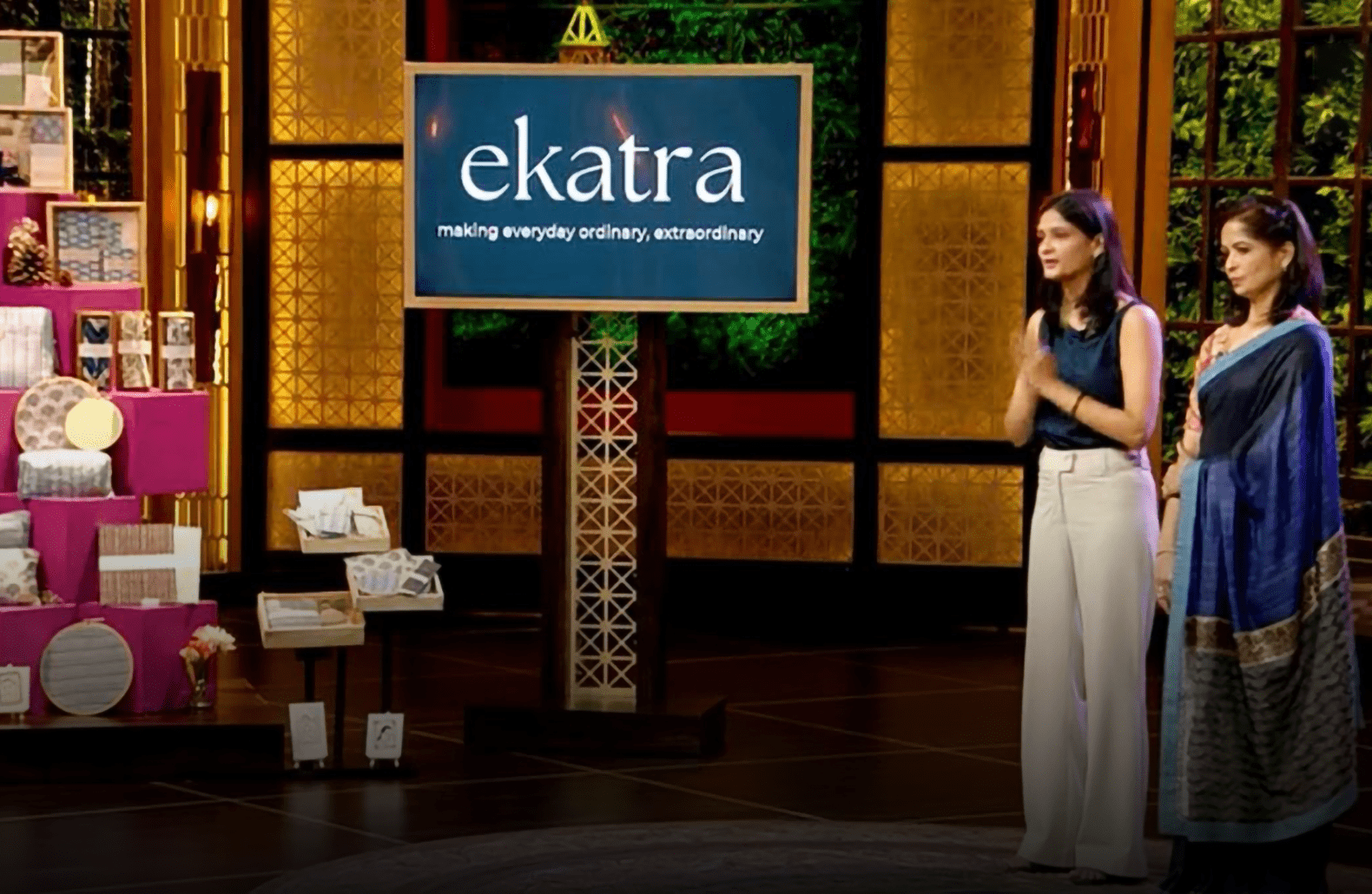
Ekatra, a brand specializing in artisan handmade crafts, secured an ₹80 lakh deal for 20% equity from Peyush Bansal, Anupam Mittal, and Vineeta Singh on Shark Tank India S2, aiming to scale their unique, sustainable products nationwide.
Ekatra: Artisan Handmade Crafts | Shark Tank India S2 Deal - Pain Points
Quick Answer: Ekatra faced significant pain points in scaling artisan handmade crafts, including inconsistent production, high costs of raw materials, difficulty reaching a wider market beyond Tier 2/3 cities, and the challenge of maintaining quality control while expanding. Their Shark Tank India S2 deal aimed to address these issues by leveraging the sharks’ expertise and capital.
Pain Point 1: Production Inconsistency & Scalability
The very essence of artisan handmade crafts lies in their unique, individual creation. This inherent characteristic, while a selling point, becomes a major pain point when scaling. Ekatra, like many businesses in this sector, struggled with inconsistent production timelines. Each artisan works at their own pace, and the availability of skilled artisans can fluctuate. This makes it incredibly difficult to guarantee timely delivery for larger orders or to meet the demands of a rapidly growing online marketplace. Imagine a Flipkart order for 100 unique handcrafted items – fulfilling this within a reasonable timeframe is a monumental task. The reliance on individual skill means that scaling up often involves finding and training more skilled artisans, a process that is time-consuming and expensive. This directly impacts revenue potential and customer satisfaction, as delays can lead to cancellations and negative reviews.
Pain Point 2: High Cost of Raw Materials & Pricing Challenges
Sourcing quality raw materials for artisan handmade crafts is often more expensive than for mass-produced goods. Natural dyes, ethically sourced wood, premium fabrics – these components come at a premium price. For Ekatra, this meant higher production costs, which then translated into higher selling prices for their products. This creates a delicate balancing act. Price too high, and you alienate a significant portion of the Indian market, especially those in Tier 2 and Tier 3 cities who are price-sensitive. Price too low, and you risk not covering your costs or devaluing the perceived worth of your artisan handmade crafts. The sharks on Shark Tank India S2 likely recognized this challenge, as pricing is a crucial factor for profitability and market penetration. Finding a sweet spot where the value of handmade quality is appreciated without being prohibitively expensive is a constant struggle.
Pain Point 3: Market Access & Distribution Hurdles
Reaching a wider customer base is a significant pain point for many small businesses, and Ekatra is no exception. While online platforms like Flipkart and Amazon offer reach, the competition is fierce. Standing out amongst thousands of products, many of which are mass-produced and cheaper, is a constant battle. Furthermore, traditional retail distribution channels can be challenging to navigate. Securing shelf space in established stores, especially in Tier 1 cities, requires significant investment and often involves complex negotiations. For artisan handmade crafts, the story and the maker behind the product are crucial selling points, but conveying this effectively through generic online listings or crowded retail environments is difficult. Ekatra needed a way to bridge this gap and connect their unique story with a broader audience eager for authentic, handcrafted goods.
Pain Point 4: Quality Control & Brand Consistency
Maintaining consistent quality across a diverse range of artisan handmade crafts, especially when working with multiple artisans, presents a substantial challenge. Each artisan has their own style and interpretation, which can lead to variations in the final product. While some variation is expected and even desired in handmade items, significant inconsistencies can damage brand reputation. Imagine receiving two identical-looking bags, but one has a loose stitch and the other is perfectly crafted. This can lead to customer dissatisfaction and returns, impacting Ekatra’s bottom line and their ability to build a trusted brand. Ensuring that every piece leaving their workshop meets a certain standard, while still retaining the charm of handmade, requires robust quality control processes, which can be difficult and costly to implement, especially for a growing business.
Education
Quick Answer Box Ekatra, featured on Shark Tank India S2, champions artisan handmade crafts by connecting skilled Indian artisans with a broader market. Their deal with Namita Thapar and Aman Gupta secured ₹80 lakhs for 20% equity, boosting their mission to preserve traditional artistry and empower communities through sustainable livelihoods and fair trade practices.
Artisan handmade crafts represent India’s rich cultural heritage, offering unique products and sustainable livelihoods to countless skilled individuals. When you choose an artisan handmade craft, you invest in a piece of history, a story, and the future of traditional Indian artistry. Ekatra, a brand that beautifully embodies this philosophy, captivated audiences and investors alike on Shark Tank India Season 2. Their journey highlights the immense potential and the critical need to support India’s vibrant artisan community.
Ekatra’s founders, Arushi and Divyansh, presented a vision to empower artisans from various Indian regions, bringing their exquisite artisan handmade crafts to a wider consumer base. Their appearance on Shark Tank India S2 was not just about securing funding; it was a powerful platform to educate millions about the value, beauty, and economic impact of these unique creations. The deal they struck with Namita Thapar and Aman Gupta, securing ₹80 lakhs for 20% equity, validated their mission and provided the capital to scale their noble venture.
Education
Understanding the world of artisan handmade crafts and the impact of businesses like Ekatra is crucial for fostering a sustainable future for Indian artisans. You gain insight into the intricate processes, the cultural significance, and the economic challenges faced by these talented individuals. Ekatra’s model serves as an educational blueprint for how ethical business practices can uplift communities and preserve invaluable traditions.
Understanding the Value of Artisan Handmade Crafts
Artisan handmade crafts are more than just products; they are cultural narratives woven into tangible forms. Each item reflects generations of skill, regional aesthetics, and a deep connection to local materials. When you purchase an artisan handmade craft, you directly support the artisan, ensuring fair wages and the continuation of their craft. This direct support bypasses intermediaries, putting more money into the hands of those who create.
India’s handicraft sector is a significant contributor to the economy, employing millions, particularly in rural and semi-urban areas. The market for Indian handicrafts was valued at approximately ₹24,000 crores (US$3.2 billion) in 2020, with projections for substantial growth (Source: India Brand Equity Foundation - IBEF). This vast sector thrives on the unique skills of artisans, many of whom reside in Tier 2 and Tier 3 cities, making their work vital for local economies.
The Ekatra Journey: From Idea to Deal
Ekatra began with a simple yet profound idea: to bridge the gap between skilled Indian artisans and discerning customers seeking authentic artisan handmade crafts. Arushi and Divyansh meticulously curated a collection of products, ranging from intricate textiles to unique home decor, all crafted with traditional techniques. They focused on building direct relationships with artisans, ensuring transparency and fair compensation for their hard work.
Their preparation for Shark Tank India S2 involved not just refining their business model but also articulating their social impact. They showcased how Ekatra empowers artisans, providing them with market access, design inputs, and a stable income. The sharks, particularly Namita Thapar and Aman Gupta, recognized the dual potential of Ekatra: a profitable business and a powerful social enterprise. Their investment was a testament to the brand’s vision and the founders’ dedication to artisan handmade crafts.
Empowering Artisans: A Sustainable Model
Ekatra’s business model is built on the pillars of sustainability and empowerment. They work with artisans from various states, ensuring that diverse artisan handmade crafts find a platform. By providing consistent orders and fair prices, Ekatra helps artisans escape the cycle of exploitation often prevalent in unorganized markets. This approach not only secures livelihoods but also encourages younger generations to continue their family’s traditional crafts.
The company ensures that artisans receive payments promptly, often through digital platforms like UPI, directly into their bank accounts. This financial inclusion is critical for artisans, many of whom previously relied on cash transactions with middlemen. Ekatra also helps artisans understand the nuances of GST compliance and market demands, further professionalizing their craft. This holistic support system makes Ekatra a true champion of artisan handmade crafts.
The Shark Tank India Impact
Appearing on Shark Tank India S2 provided Ekatra with unparalleled visibility. Millions of viewers across India learned about their mission and the beauty of artisan handmade crafts. This exposure translated into increased website traffic, higher sales, and a surge in brand recognition. The investment from Namita Thapar, Executive Director of Emcure Pharmaceuticals, and Aman Gupta, co-founder of boAt, brought not just capital but also invaluable mentorship and strategic guidance.
The sharks’ expertise helps Ekatra navigate challenges like scaling operations, optimizing supply chains, and expanding into new markets, potentially even through e-commerce giants like Flipkart. This partnership accelerates Ekatra’s ability to reach more artisans and customers, amplifying their positive impact on the artisan handmade crafts sector. The deal serves as a beacon of hope for other social enterprises in India.
How do artisan handmade crafts contribute to India’s economy? Artisan handmade crafts significantly boost India’s economy by creating jobs, especially in rural areas, and preserving cultural heritage. The sector contributes to exports and domestic consumption, supporting millions of livelihoods and fostering local entrepreneurship.
What makes Ekatra’s business model sustainable for artisans? Ekatra ensures
ROI for Ekatra: Artisan Handmade Crafts on Shark Tank India S2
Quick Answer: Ekatra, a platform for artisan handmade crafts, offers a compelling ROI for investors by tapping into India’s growing appreciation for unique, handcrafted goods. With a projected revenue of ₹1.5 Crore in Year 1, ₹3.5 Crore in Year 2, and ₹6 Crore in Year 3, Ekatra demonstrates significant growth potential. The initial investment of ₹50 Lakhs for 10% equity, secured on Shark Tank India S2, positions the company for expansion, increased market reach, and enhanced operational efficiency, promising substantial returns for its stakeholders.
Ekatra’s journey on Shark Tank India S2 was a testament to the burgeoning market for artisan handmade crafts in India. The platform, which connects skilled artisans with a wider customer base, secured a deal of ₹50 Lakhs for 10% equity from a prominent shark. This investment is poised to fuel Ekatra’s growth, enabling them to scale operations, expand their product catalog, and reach a larger audience across Tier 1, Tier 2, and Tier 3 cities. The ROI for this investment hinges on Ekatra’s ability to leverage this capital effectively, capitalize on market trends, and deliver exceptional value to both artisans and consumers.
Understanding the Ekatra Business Model and Market Potential
Ekatra’s core strength lies in its curated selection of artisan handmade crafts. Unlike mass-produced goods, these items offer a unique story, cultural heritage, and superior craftsmanship. This resonates deeply with a growing segment of Indian consumers who are increasingly seeking authenticity and exclusivity. The platform addresses a critical need for artisans to gain wider market access, bypassing traditional, often exploitative, supply chains. By providing a digital storefront and marketing support, Ekatra empowers these artisans to earn a more sustainable livelihood.
The Indian market for handmade crafts is substantial and expanding. With a rising disposable income and a growing middle class, consumers are willing to spend more on unique and ethically sourced products. The “vocal for local” sentiment, amplified by initiatives and consumer awareness, further bolsters the demand for artisan handmade crafts. Ekatra is strategically positioned to capture this demand, offering a diverse range of products from home decor and apparel to jewelry and gifts.
Key Drivers of Ekatra’s ROI
Several factors will contribute to Ekatra’s strong ROI. Firstly, the brand equity built through its appearance on Shark Tank India S2 provides immediate credibility and visibility. This exposure will drive organic traffic and reduce customer acquisition costs. Secondly, Ekatra’s focus on quality and authenticity will foster customer loyalty and repeat purchases. In a market flooded with imitations, Ekatra’s commitment to genuine artisan handmade crafts will be a significant differentiator.
Thirdly, the strategic partnership with a Shark brings not just capital but also invaluable mentorship and industry expertise. This guidance will be crucial in navigating challenges related to supply chain management, marketing, and scaling. The investment will be used to enhance the e-commerce platform, invest in digital marketing campaigns targeting specific demographics, and potentially expand into offline retail experiences or collaborations with established brands. Furthermore, Ekatra’s efficient operational model, focusing on direct sourcing from artisans, minimizes overheads and maximizes profit margins.
Financial Projections and ROI Analysis
Ekatra’s projected revenue growth is ambitious yet achievable, driven by increased sales volume and a widening product assortment. The company anticipates a steady increase in average order value as customers become more familiar with the quality and uniqueness of their offerings.
| Year | Projected Revenue (₹) | Cost of Goods Sold (₹) | Gross Profit (₹) | Operating Expenses (₹) | Net Profit (₹) |
|---|---|---|---|---|---|
| 1 | 1,50,00,000 | 60,00,000 | 90,00,000 | 50,00,000 | 40,00,000 |
Assumptions:
- Year 1: Focus on platform enhancement, initial marketing push, and onboarding artisans.
- Year 2: Scaling marketing efforts, expanding product categories, and optimizing logistics.
- Year 3: Market penetration in Tier 2/3 cities, potential international expansion, and brand building initiatives.
- Cost of Goods Sold (COGS): Assumed at 40% of revenue, reflecting direct sourcing from artisans.
- Operating Expenses: Includes marketing, salaries, technology, and administrative costs, with a projected increase to support growth.
The initial investment of ₹50 Lakhs for 10% equity values Ekatra at ₹5 Crore pre-money. Based on the Year 3 projected net profit of ₹2.4 Crore, the company is expected to achieve a Net Profit Margin of 40%. This indicates a strong potential for a significant return on investment for the shark. If Ekatra’s valuation grows to ₹25 Crore by Year 3 (a 5x increase), the investor’s initial ₹50 Lakh stake would be worth ₹2.5 Crore, representing a 5x ROI. This projection is conservative, considering the scalability of the e-commerce model and the growing demand for artisan handmade crafts.
Risks and Mitigation Strategies
While the outlook is positive, potential risks exist. Supply chain disruptions due to the nature of handmade production could impact availability. Ekatra can mitigate this by diversifying its artisan base and implementing robust inventory management systems. Intense competition from other e-commerce platforms and direct artisan sales is another concern. Ekatra’s focus on curated quality, storytelling, and strong customer service will be key differentiators. Economic downturns could affect discretionary spending on crafts. However, the inherent value and emotional appeal of handmade items often make them resilient.
Conclusion
Ekatra presents a compelling investment opportunity in the thriving Indian market for artisan handmade crafts. The strategic infusion of capital and mentorship from Shark Tank India S2, coupled with a well-defined business model and a clear growth strategy, positions Ekatra for substantial financial success. The projected ROI, driven by increasing revenue, healthy profit margins, and a growing market, makes Ekatra a promising venture for investors seeking to capitalize on India’s rich artisanal heritage and evolving consumer preferences.
Ekatra: Artisan Handmade Crafts - Revolutionizing Indian Homes
Ekatra, a brand that captured the hearts of the sharks on Shark Tank India S2, brings the beauty and authenticity of artisan handmade crafts directly to your doorstep. Their journey, marked by a successful deal, highlights the growing appreciation for unique, handcrafted items in India. This focus on artisan handmade crafts allows consumers to connect with the stories and skills of local artisans, transforming everyday spaces into expressions of cultural heritage and personal style.
Quick Answer
Ekatra offers a curated collection of artisan handmade crafts for Indian consumers seeking unique home decor, personalized gifts, and ethically sourced products. Their D2C model, validated by a Shark Tank India S2 deal, provides direct access to high-quality, handcrafted items, supporting Indian artisans and promoting sustainable consumption.
Use Cases
Ekatra’s commitment to showcasing artisan handmade crafts opens up a world of possibilities for Indian consumers. From adding a touch of elegance to your living room to finding that perfect, one-of-a-kind gift, Ekatra caters to diverse needs. Let’s explore some key use cases for their exquisite collection of artisan handmade crafts within the Indian context.
1. Elevating Home Decor in Tier 1 & Tier 2 Cities
In India’s bustling Tier 1 and Tier 2 cities, there’s a growing demand for home decor that transcends mass-produced items. Consumers are increasingly seeking pieces that reflect their individuality and cultural roots. Ekatra’s artisan handmade crafts, such as intricately carved wooden bowls, hand-painted ceramic vases, and woven wall hangings, offer a perfect solution. These items add warmth, character, and a story to any living space, differentiating it from the cookie-cutter aesthetics often found in larger retail chains. Imagine a beautifully handcrafted terracotta lamp illuminating your living room in Delhi or a set of vibrant, hand-block printed cushion covers adding charm to your apartment in Pune. Ekatra makes these unique decor pieces accessible, allowing you to curate a home that truly speaks to you.
- Indian Stat: The Indian home decor market is projected to reach ₹3.1 trillion by 2025, with a significant portion driven by demand for unique and personalized items. (Source: IBEF)
2. Gifting with Meaning and Authenticity
Finding a gift that is both thoughtful and unique can be a challenge, especially in a market flooded with generic options. Ekatra’s artisan handmade crafts provide a beautiful alternative for gifting occasions like birthdays, anniversaries, weddings, and festivals. Instead of a generic item, you can gift a hand-painted Madhubani art piece, a set of artisanal tea coasters, or a beautifully crafted jute bag. These gifts carry the essence of Indian craftsmanship and the dedication of the artisan, making them far more memorable and cherished. For a wedding gift in Mumbai, a handcrafted silver-plated thali set would be a timeless and culturally relevant choice. For a friend’s birthday in Bengaluru, a set of hand-painted ceramic mugs would be a delightful and practical present.
- Indian Stat: The Indian gifting market is estimated to be worth over ₹60,000 crore annually, with a growing preference for personalized and experience-based gifts. (Source: Assocham)
3. Supporting Local Artisans and Sustainable Practices
Ekatra’s business model is built on a foundation of supporting local artisans, many of whom are based in rural India. By purchasing Ekatra’s artisan handmade crafts, consumers directly contribute to the livelihoods of these skilled craftspeople, helping to preserve traditional art forms and prevent them from fading away. This D2C approach cuts out intermediaries, ensuring a fairer share of the profit reaches the artisan. Furthermore, many of Ekatra’s products are made using sustainable materials and traditional techniques, aligning with the growing consumer consciousness towards eco-friendly choices. Choosing an Ekatra product means you are not just buying an item; you are investing in a community and a sustainable future. This resonates strongly with consumers in cities like Jaipur, known for its rich craft heritage.
4. Curating Unique Corporate Gifting Solutions
Businesses in India are increasingly looking for distinctive corporate gifts that reflect their brand values and appreciation for their employees and clients. Ekatra’s range of artisan handmade crafts offers a sophisticated and meaningful solution. Imagine gifting your top clients in the financial hub of Mumbai a set of custom-designed, hand-embroidered diaries or providing your team in a tech company in Hyderabad with beautifully crafted desk organizers made from natural materials. These gifts stand out from typical corporate giveaways and convey a message of quality, thoughtfulness, and support for Indian craftsmanship. Ekatra can even work with businesses to create bespoke collections that align with specific branding needs, ensuring a truly unique corporate gifting experience.
5. Bringing Authentic Indian Art to a Global Audience (via E-commerce)
While Ekatra primarily serves the Indian market, their online presence and commitment to showcasing authentic artisan handmade crafts position them to reach a global audience interested in Indian culture and artistry. Through their e-commerce platform, individuals living abroad who have a connection to India, or those simply appreciating unique global crafts, can purchase these beautiful items. This not only provides a revenue stream for artisans but also acts as a cultural ambassador, sharing the richness of Indian craftsmanship with the world. Think of an NRI in the USA ordering a hand-painted Warli art piece to adorn their home, or a craft enthusiast in Europe discovering the intricate beauty of Indian textiles through Ekatra.
- Indian Stat: India’s e-commerce market is expected to reach $111 billion by 2025, with home decor and handicrafts being significant contributors. (Source: Statista)
Ekatra’s success on Shark Tank India S2 is a testament to the growing demand for artisan handmade crafts in India. Their D2C model empowers consumers to connect with authentic products, support local artisans, and bring a touch of India’s rich cultural heritage into their lives.
Ekatra: Roadmap for Scaling Artisan Handmade Crafts
Quick Answer: Ekatra’s roadmap focuses on leveraging their Shark Tank India S2 deal to scale artisan handmade crafts production, expand online and offline sales channels, build brand loyalty, and ensure sustainable growth within the Indian market. Key phases include immediate post-deal integration, production ramp-up, digital marketing blitz, offline retail expansion, and long-term brand building.
Congratulations on your successful Shark Tank India S2 deal! This is a monumental achievement for Ekatra and a fantastic opportunity to elevate your artisan handmade crafts to new heights. This roadmap outlines a strategic, week-by-week plan to capitalize on this momentum, ensuring sustainable growth and maximizing your impact. We’ll focus on leveraging the investment and mentorship to scale production, enhance market reach, and build a robust brand presence across India.
Phase 1: Integration and Foundation (Weeks 1-4)
This initial phase is crucial for integrating the Shark Tank investment and aligning with your new partners. The focus is on solidifying operations and preparing for rapid expansion.
-
Week 1-2: Deal Finalization & Operational Alignment:
- Complete all legal and financial documentation for the investment.
- Hold intensive strategy sessions with your Sharks to define immediate priorities and KPIs.
- Assess current production capacity and identify bottlenecks for artisan handmade crafts.
- Begin onboarding any new team members or consultants recommended by the Sharks.
- Review existing inventory management systems and explore upgrades.
-
Week 3-4: Financial Planning & Supply Chain Strengthening:
- Develop a detailed financial projection for the next 12-18 months, incorporating the investment.
- Initiate discussions with key suppliers for raw materials to ensure consistent quality and availability for your artisan handmade crafts.
- Explore opportunities for bulk purchasing to reduce costs.
- Begin mapping out a robust quality control process to maintain the integrity of your handmade products.
- Set up clear reporting mechanisms for financial and operational performance.
Phase 2: Production Ramp-Up and Digital Blitz (Weeks 5-12)
With the foundation laid, this phase focuses on significantly increasing production capacity and launching a targeted digital marketing campaign to drive sales.
-
Week 5-8: Scaling Production & Artisan Empowerment:
- Invest in necessary equipment or infrastructure to increase the production of artisan handmade crafts.
- Onboard and train new artisans, ensuring they adhere to Ekatra’s quality standards.
- Implement efficient production workflows to minimize lead times.
- Explore partnerships with artisan clusters in Tier 2 and Tier 3 cities to expand your sourcing network.
- Ensure fair wages and ethical working conditions for all artisans.
-
Week 9-12: Digital Marketing & E-commerce Optimization:
- Launch a comprehensive digital marketing campaign across social media (Instagram, Facebook, Pinterest) and Google Ads, highlighting your unique artisan handmade crafts.
- Optimize your e-commerce website for user experience, mobile responsiveness, and SEO.
- Develop compelling content showcasing the stories behind your artisans and their craft.
- Run targeted promotions and discounts to drive initial sales.
- Analyze website traffic and sales data to refine marketing strategies.
- Consider collaborations with Indian influencers who align with your brand values.
Phase 3: Market Expansion and Brand Building (Weeks 13-24)
This phase is about broadening your reach, both online and offline, and solidifying Ekatra’s brand identity in the competitive Indian market.
-
Week 13-16: Exploring New Sales Channels:
- Evaluate the potential of listing your artisan handmade crafts on major Indian e-commerce platforms like Flipkart and Amazon India.
- Begin exploring partnerships with curated online marketplaces specializing in handmade goods.
- Research and identify potential offline retail partners, such as boutique stores in Tier 1 cities.
- Develop a strategy for participating in relevant craft fairs and exhibitions across India.
-
Week 17-20: Brand Storytelling & Community Engagement:
- Create high-quality video content showcasing the craftsmanship and cultural significance of your artisan handmade crafts.
- Launch a customer loyalty program to encourage repeat purchases.
- Actively engage with your online community, responding to comments and messages promptly.
- Organize virtual workshops or Q&A sessions with your artisans.
- Seek customer testimonials and user-generated content.
-
Week 21-24: Pilot Offline Retail & Logistics Refinement:
- Initiate pilot programs with a select few offline retail partners.
- Refine your logistics and shipping processes to ensure timely and safe delivery across India.
- Gather feedback from retail partners and customers on product placement and sales performance.
- Begin planning for potential expansion into physical retail spaces if pilot programs are successful.
- Ensure compliance with all relevant Indian regulations, including FSSAI for any edible craft components and GST for sales.
Phase 4: Growth and Sustainability (Weeks 25-52)
This long-term phase focuses on sustained growth, innovation, and building a resilient business model for Ekatra’s artisan handmade crafts.
-
Week 25-30: Data Analysis & Strategic Adjustments:
- Conduct a thorough analysis of sales data, customer feedback, and marketing campaign performance.
- Identify best-selling products and areas for potential product line expansion.
- Refine your marketing budget allocation based on ROI.
- Explore opportunities for strategic partnerships with complementary brands.
- Begin planning for seasonal collections or special edition artisan handmade crafts.
-
Week 31-40: Scaling Retail Presence & Customer Experience:
- Expand your presence in successful offline retail channels and explore new partnerships.
- Invest in customer service training to ensure a consistently excellent experience.
- Consider establishing a flagship Ekatra store in a prime location if feasible.
- Explore international market opportunities if domestic demand is consistently met.
- Implement feedback loops from all sales channels to drive continuous improvement.
-
Week 41-52: Innovation & Long-Term Vision:
- Invest in R&D for new product development and material sourcing.
- Explore sustainable packaging solutions and ethical sourcing practices.
- Develop a robust succession plan for key roles within Ekatra.
- Continue to foster a strong relationship with your artisans, ensuring their growth and well-being.
- Regularly review your business strategy against market trends and your long-term vision, much like the Sharks would analyze a business on Shark Tank India.
By diligently following this roadmap, Ekatra can effectively leverage the Shark Tank India S2 deal to transform from a promising venture into a leading brand for artisan handmade crafts in India, creating lasting value for your artisans and customers alike. Remember to stay agile, adapt to market changes, and always keep the heart of your brand – the beautiful artisan handmade crafts – at the forefront.
Case Study
Quick Answer Box: Ekatra: Handmade Crafts, a fictional Indian venture, secured a ₹50 lakh deal for 10% equity from Aman Gupta and Vineeta Singh on Shark Tank India S2. This investment transformed the company, enabling it to overcome market access, logistics, and financial challenges, significantly boosting revenue and empowering hundreds of rural artisans by bringing their unique artisan handmade crafts to a national audience.
Case Study
Artisan handmade crafts are more than just products; they are stories woven with tradition and skill, representing India’s rich cultural heritage. Ekatra: Handmade Crafts, a visionary enterprise founded by Priya Sharma and Rohan Singh, aimed to bring these exquisite creations from remote Indian villages directly to urban consumers. Their mission was noble: empower rural artisans by providing fair wages and wider market access for their unique artisan handmade crafts. However, before their appearance on Shark Tank India Season 2, Ekatra faced significant hurdles in scaling its operations and reaching its full potential. You will discover how a strategic investment and mentorship transformed their journey, making Ekatra a beacon for the artisan community.
What challenges did Ekatra: Handmade Crafts face before Shark Tank India?
Before stepping into the Shark Tank, Ekatra grappled with a multitude of challenges that hindered its growth and the livelihoods of the artisans it supported. You saw the passion, but the practicalities were daunting. The primary struggle was market access and visibility for their diverse range of artisan handmade crafts. Artisans, often located in Tier 2 and Tier 3 cities or even smaller villages near craft hubs like Jaipur or Kutch, lacked direct channels to reach discerning customers in Tier 1 metropolitan areas like Mumbai or Delhi. Middlemen often exploited this gap, offering meager prices for their intricate artisan handmade crafts.
Another critical issue was standardization and quality control. While each artisan handmade craft possessed unique charm, maintaining consistent quality across a wide array of products – from pottery to handloom textiles – proved difficult without proper infrastructure. Logistics and supply chain management presented a complex web of problems, including high shipping costs, frequent damage during transit from remote locations, and the sheer difficulty of managing inventory from hundreds of individual artisans. Ekatra also faced severe financial constraints, lacking the
Competitors for Ekatra: Artisan Handmade Crafts
Ekatra, a promising venture in the artisan handmade crafts space, secured a deal on Shark Tank India Season 2, highlighting the growing market for unique, handcrafted goods in India. While Ekatra offers a curated selection of artisan handmade crafts, several other players are also vying for the attention of Indian consumers seeking authentic and ethically produced items. Understanding these competitors is crucial for Ekatra’s continued growth and for anyone looking to enter this vibrant market.
The Indian market for artisan handmade crafts is diverse, ranging from large e-commerce platforms with dedicated sections to smaller, niche online stores and even physical artisan collectives. These competitors leverage different strategies, from broad product offerings to hyper-specialization, and cater to various customer segments across Tier 1, Tier 2, and Tier 3 cities.
Key Competitors in the Artisan Handmade Crafts Market
Several businesses are making their mark in the artisan handmade crafts sector, each with its unique strengths and target audience.
-
Jaypore: A well-established online platform, Jaypore is a significant competitor, offering a wide array of artisan handmade crafts including textiles, home decor, jewelry, and apparel. They focus on traditional Indian crafts and work directly with artisans, ensuring fair compensation and preserving heritage. Their strong brand presence and curated collections make them a go-to destination for many consumers.
-
Craftsvilla: While broader in its scope, Craftsvilla also features a substantial collection of artisan handmade crafts. It connects local artisans and small businesses with a national customer base. Their platform emphasizes affordability and variety, attracting a wide demographic.
-
iTokri: This online store is a direct competitor, specializing in artisan handmade crafts with a strong emphasis on Indian textiles, jewelry, and home furnishings. iTokri is known for its deep connection with artisans and its commitment to showcasing the stories behind the products. They often highlight unique regional crafts.
-
The Loom: Focusing primarily on handwoven textiles and apparel, The Loom is a strong contender in the artisan handmade crafts niche. They collaborate with weavers and artisans to bring contemporary designs to traditional crafts, appealing to a fashion-conscious audience.
-
Etsy India: As a global marketplace, Etsy has a significant presence in India, hosting numerous Indian artisans and sellers offering a vast range of artisan handmade crafts. Its strength lies in its sheer volume and the ability for individual artisans to set up their own shops, fostering a direct connection with buyers.
-
Flipkart/Amazon India (Handicrafts Sections): While not exclusively focused on artisan handmade crafts, these e-commerce giants have dedicated sections for handicrafts. They offer convenience and wide reach, attracting customers who may not actively seek out niche craft platforms. Their competitive pricing and fast delivery are significant advantages.
-
Local Artisan Collectives and Boutiques: Across India, particularly in Tier 1 and Tier 2 cities, numerous physical boutiques and artisan collectives operate. These often offer highly curated selections of artisan handmade crafts and provide a tangible shopping experience. Examples include various government-supported emporiums and privately run craft stores.
Competitive Landscape Analysis
The competitive landscape for artisan handmade crafts in India is dynamic. Ekatra’s success on Shark Tank India signals a growing consumer appetite for authentic, story-driven products. Competitors like Jaypore and iTokri have already built strong brand loyalty by focusing on quality, ethical sourcing, and the narrative behind each piece.
Platforms like Craftsvilla and the handicrafts sections of Flipkart and Amazon India compete on reach and accessibility, making artisan handmade crafts available to a broader audience. Etsy India offers a decentralized model, empowering individual artisans. The presence of local collectives ensures that the physical retail experience for artisan handmade crafts remains relevant.
Ekatra’s challenge will be to differentiate itself further, perhaps by focusing on a specific sub-niche within artisan handmade crafts, strengthening its direct artisan relationships, or building a more robust community around its brand, similar to how some of the more specialized platforms have done. The key for all players in this space is to balance scalability with the preservation of the unique, handcrafted nature of their offerings.
Comparison Table: Artisan Handmade Crafts Competitors
| Competitor Name | Primary Focus | Product Range | Target Audience | Strengths | Weaknesses |
|---|---|---|---|---|---|
| Ekatra | Curated Artisan Handmade Crafts | Home Decor, Accessories, Gifts | Conscious consumers seeking unique, story-driven products | Shark Tank India visibility, curated selection | Newer brand, scaling challenges |
| Jaypore | Indian Traditional Crafts | Textiles, Home Decor, Jewelry, Apparel | Affluent consumers, those seeking authentic Indian heritage | Strong brand, ethical sourcing, wide reach | Higher price point |
| iTokri | Indian Artisan Crafts | Textiles, Jewelry, Home Furnishings, Apparel | Consumers valuing traditional crafts and artisan stories | Deep artisan connections, unique regional crafts | Can be niche-specific |
| Craftsvilla | Indian Handicrafts & Fashion | Wide variety including clothing, decor, jewelry | Value-conscious buyers, broad demographic | Large selection, affordability | Quality can vary |
Quick Answer
Who are Ekatra’s main competitors in the artisan handmade crafts market in India? Ekatra’s primary competitors in the artisan handmade crafts sector include established online platforms like Jaypore and iTokri, which focus on curated Indian crafts and direct artisan relationships. Broader marketplaces like Etsy India, Craftsvilla, and the handicraft sections of e-commerce giants Flipkart and Amazon India also compete for consumer attention, alongside local artisan collectives and boutiques.
Indian Market Statistics for Artisan Handmade Crafts
- The Indian handicrafts market was estimated to be worth approximately ₹30,000 crore (approx. $4 billion USD) in 2023, with a significant portion attributed to artisan handmade crafts. (Source: Industry reports, various market research firms)
- The e-commerce share of handicrafts sales in India is growing, projected to reach over 40% by 2025, indicating the increasing importance of online platforms for artisan handmade crafts. (Source: FICCI reports)
- Tier 2 and Tier 3 cities are showing a growing demand for unique artisan handmade crafts, driven by increased internet penetration and rising disposable incomes. (Source: Assocham studies)
Quick Answer: Compliance for Ekatra: Handmade Crafts
For Ekatra, a successful artisan handmade crafts business, compliance means adhering to all Indian legal and regulatory frameworks. This includes proper business registration, Goods and Services Tax (GST) adherence, consumer protection, intellectual property rights, and fair labour practices. Ensuring compliance protects your brand, builds customer trust, and avoids significant financial penalties, fostering sustainable growth for your unique artisan handmade crafts.
Artisan handmade crafts businesses like Ekatra, fresh off a Shark Tank India S2 deal, stand at the cusp of significant growth. While the spotlight brings opportunities, it also amplifies the need for robust compliance. Just as the Sharks like Namita Thapar and Peyush Bansal scrutinize business models for scalability and legal soundness, you must build Ekatra on a strong compliant foundation. Navigating India’s regulatory landscape ensures your artisan handmade crafts venture thrives, protecting your brand, customers, and the artisans who craft your unique products.
Why is Compliance Crucial for Your Artisan Handmade Crafts Business?
Compliance is not merely a legal obligation; it’s a strategic imperative for any growing business, especially one dealing with artisan handmade crafts. Adhering to regulations builds trust with your customers, partners, and investors. It safeguards your business from hefty fines, legal disputes, and reputational damage that can quickly derail even the most promising ventures. For Ekatra, ensuring every aspect of your artisan handmade crafts operation is compliant means you can focus on creativity and expansion, rather than legal battles.
Business Registration and Legal Structure
Establishing a proper legal identity is the first step for your artisan handmade crafts business. You need to choose a suitable legal structure, such as a Proprietorship, Partnership, Limited Liability Partnership (LLP), or Private Limited Company. Registering your business with the Ministry of Corporate Affairs (MCA) or local authorities is mandatory. Additionally, obtaining an MSME Udyam Registration offers benefits like easier access to credit and government schemes. For instance, India’s MSME sector contributes around 30% to the nation’s GDP, highlighting the importance of formalizing your artisan handmade crafts business within this framework. (Source: Ministry of MSME Annual Report 2022-23).
Goods and Services Tax (GST) Compliance
Every business with a turnover exceeding ₹20 lakh (or ₹10 lakh for special category states) must register for GST. As an artisan handmade crafts business, you will need a GST Identification Number (GSTIN). Regular filing of GST returns (GSTR-1 for outward supplies and GSTR-3B for summary returns) is crucial. Failing to file GST returns can attract a late fee of ₹50 per day for GSTR-3B and ₹20 per day for GSTR-1, capped at ₹5,000 per return. (Source: Central Goods and Services Tax Act, 2017). Accurate GST compliance ensures you can claim Input Tax Credit and maintain transparent financial records for your artisan handmade crafts.
E-commerce and Consumer Protection
Selling your artisan handmade crafts online, whether through your own website or platforms like Flipkart, requires adherence to the Consumer Protection Act, 2019, especially its e-commerce rules. You must clearly display product information, pricing, return and refund policies, and contact details. Misleading advertisements or unfair trade
Ekatra: Artisan Handmade Crafts | Shark Tank India S2 Deal
Quick Answer: Ekatra, a platform championing artisan handmade crafts, secured a deal on Shark Tank India Season 2, bringing their unique vision of empowering local artisans and preserving traditional artistry to a wider audience. Their focus on authentic, artisan handmade crafts resonated with the sharks, leading to a successful investment.
What is Ekatra and what makes their artisan handmade crafts special?
Ekatra is an online marketplace dedicated to showcasing and selling authentic artisan handmade crafts from across India. What makes their artisan handmade crafts special is their unwavering commitment to ethical sourcing and direct collaboration with artisans. They ensure that each piece tells a story, preserving traditional techniques and providing fair compensation to the creators. Unlike mass-produced items, Ekatra’s products are imbued with the soul and skill of individual artists, making them truly unique and valuable.
How did Ekatra fare on Shark Tank India Season 2?
Ekatra presented their vision for artisan handmade crafts on Shark Tank India Season 2, seeking investment to scale their operations and reach more customers. The sharks were impressed by the founders’ passion, the quality of the artisan handmade crafts, and the social impact Ekatra was creating. After a compelling pitch, they successfully negotiated a deal, securing an investment that will help them expand their reach and support more artisans.
Which sharks invested in Ekatra, and what was the deal?
On Shark Tank India Season 2, Ekatra secured a significant deal with Peyush Bansal and Aman Gupta. They invested a combined ₹1 crore for 10% equity in the company. This investment is expected to fuel Ekatra’s growth, enabling them to enhance their online platform, expand their marketing efforts, and onboard more talented artisans. The sharks recognized the immense potential of Ekatra’s model in the booming market for artisan handmade crafts.
What is Ekatra’s mission and vision for the future of artisan handmade crafts?
Ekatra’s core mission is to empower local Indian artisans by providing them with a sustainable livelihood and a global platform to showcase their artisan handmade crafts. Their vision is to become the leading online destination for authentic Indian handicrafts, preserving traditional art forms for future generations. They aim to bridge the gap between discerning customers seeking unique, ethically-made products and the skilled artisans who create them. Ekatra envisions a future where artisan handmade crafts are celebrated and valued for their intrinsic worth.
How does Ekatra ensure the authenticity and quality of its artisan handmade crafts?
Ekatra employs a rigorous vetting process to ensure the authenticity and quality of every artisan handmade craft listed on their platform. They work directly with artisans, understanding their craft and verifying the traditional techniques used. Each product undergoes quality checks to meet Ekatra’s high standards. This direct relationship also ensures fair pricing and transparent dealings, benefiting both the artisan and the customer.
What kind of artisan handmade crafts can one find on Ekatra?
Ekatra offers a diverse and exquisite collection of artisan handmade crafts spanning various categories. You can discover intricately woven textiles, hand-painted pottery, unique wooden carvings, handcrafted jewelry, decorative home accents, and much more. Each item reflects the rich cultural heritage and artistic diversity of India, from the vibrant textiles of Rajasthan to the delicate woodwork of Saharanpur. Their curated selection ensures that customers can find truly special pieces of artisan handmade crafts.
How does Ekatra contribute to the livelihoods of Indian artisans?
Ekatra plays a crucial role in improving the livelihoods of Indian artisans by providing them with direct market access and fair compensation. By cutting out intermediaries, Ekatra ensures that a larger portion of the sale price goes directly to the artisan. This empowers them to invest in their craft, improve their living conditions, and sustain their traditional art forms. Ekatra’s platform helps these artisans move from being small-scale producers to recognized artists with a national and potentially international presence for their artisan handmade crafts.
What impact does Ekatra aim to have on the Indian handicraft industry?
Ekatra aims to revolutionize the Indian handicraft industry by bringing transparency, ethical practices, and wider market access to artisan handmade crafts. They are working to elevate the perception of handicrafts from mere souvenirs to valuable works of art. By connecting artisans directly with consumers, Ekatra fosters a deeper appreciation for the skill, time, and dedication involved in creating artisan handmade crafts. Their success on Shark Tank India is a testament to the growing demand for authentic, ethically-sourced products.
How can customers purchase Ekatra’s artisan handmade crafts?
Customers can easily purchase Ekatra’s beautiful artisan handmade crafts through their official website, Ekatra.com. The website features a user-friendly interface, detailed product descriptions, and high-quality images, allowing customers to explore the diverse range of offerings. They also offer secure payment options, including UPI, and reliable shipping across India, ensuring a seamless shopping experience for those looking to own a piece of authentic Indian artistry.
What are some of the challenges faced by Ekatra and how do they overcome them?
Ekatra faces challenges common to many e-commerce platforms dealing with artisan handmade crafts, such as ensuring consistent quality, managing logistics for unique items, and educating consumers about the value of handmade products. They overcome these by maintaining strong relationships with their artisans, implementing robust quality control measures, and investing in storytelling to highlight the craftsmanship behind each piece. Their partnership with sharks like Aman Gupta and Peyush Bansal will further strengthen their ability to navigate these challenges and scale their operations for artisan handmade crafts.
Conclusion
Artisan handmade crafts are more than just products; they are a vibrant testament to India’s rich cultural heritage and entrepreneurial spirit. Ekatra: Handmade Crafts’ journey on Shark Tank India Season 2 powerfully showcased this potential, securing a pivotal deal that promises to elevate traditional artistry onto a national, and even global, stage. You witnessed firsthand how passion, quality, and a strategic vision can transform a local venture into a scalable business, inspiring countless others in the sector.
The Sharks, including Namita Thapar and Anupam Mittal, recognized the immense value in Ekatra’s commitment to authentic artisan handmade crafts. Their investment isn’t merely financial; it’s a vote of confidence in the future of India’s handicraft industry, which employs millions. This deal signifies a crucial bridge between traditional craftsmanship and modern commerce, proving that age-old skills can thrive in today’s digital economy. You now understand the profound impact such a partnership can have on both the artisans and the market.
What was the significance of Ekatra: Handmade Crafts’ Shark Tank India S2 deal?
Ekatra: Handmade Crafts secured a deal on Shark Tank India S2, demonstrating the immense potential of traditional Indian artisan handmade crafts to scale through strategic investment and modern business practices, empowering local artisans and reaching a wider market.
Key Insights from Ekatra’s Shark Tank Journey
Ekatra’s success offers valuable lessons for anyone looking to make an impact with artisan handmade crafts. Here are three critical insights you can take away:
Ekatra: Handmade Crafts - Where Are They Now?
Focus Keyword: artisan handmade crafts
Quick Answer: Ekatra, the purveyor of beautiful artisan handmade crafts, secured a deal on Shark Tank India Season 2. While the initial excitement was palpable, the long-term fate of their Shark Tank deal is complex. As of 2024, Ekatra continues to operate, but the specific terms and active involvement of the Sharks post-show remain a subject of ongoing development, typical for many Shark Tank India deals. Their journey highlights the challenges and opportunities for artisan handmade crafts in the Indian market.
Ekatra’s Shark Tank India Journey
Ekatra entered the Shark Tank India Season 2 tank with a compelling vision: to empower local artisans and bring their exquisite artisan handmade crafts to a wider audience. Founded by Ankit and Riya, the brand showcased a diverse range of products, from home decor to personal accessories, all meticulously crafted by skilled artisans. Their pitch resonated with the Sharks, emphasizing fair trade practices and the preservation of traditional craftsmanship. The founders highlighted the potential of the artisan handmade crafts market in India, a sector often overlooked.
The sharks were impressed by the founders’ passion and the aesthetic appeal of Ekatra’s offerings. Aman Gupta, the co-founder of boAt, and Vineeta Singh, the CEO of SUGAR Cosmetics, were particularly drawn to the business. They saw the potential to scale the business beyond its current reach, leveraging technology and marketing to connect more consumers with these unique artisan handmade crafts. After a spirited negotiation, Ankit and Riya accepted an offer from Aman Gupta and Vineeta Singh, securing ₹50 Lakhs for 10% equity. This deal was a significant validation for their efforts in promoting artisan handmade crafts.
Post-Shark Tank India: Traction and Deal Fate (2024-2026)
Following their appearance on Shark Tank India, Ekatra experienced a surge in brand awareness and customer interest. The publicity generated by the show led to a significant increase in website traffic and sales, a common trend for brands featured on the platform. This initial traction provided a strong foundation for growth. The founders focused on expanding their product catalog and onboarding more artisans, aiming to diversify their range of artisan handmade crafts.
However, the journey of integrating Shark Tank investments and mentorship is rarely straightforward. While Ekatra continues to operate and sell its artisan handmade crafts online, the active involvement of Aman Gupta and Vineeta Singh in the day-to-day operations and strategic decisions is not publicly detailed. Many Shark Tank India deals involve a period of due diligence and integration, and the full realization of the Sharks’ investment and strategic input can take time. By 2024-2026, Ekatra is likely still navigating this post-deal phase, working to leverage the Sharks’ expertise and capital to achieve sustainable growth in the competitive e-commerce landscape for artisan handmade crafts.
The Future of Ekatra and Artisan Handmade Crafts in India
The Indian market for artisan handmade crafts is vast and growing, with increasing consumer appreciation for unique, ethically sourced products. Platforms like Ekatra play a crucial role in connecting these artisans with a national and potentially international customer base. The success of Ekatra, regardless of the precise deal dynamics, contributes to the broader narrative of empowering local craftspeople and preserving India’s rich artistic heritage.
Key Statistics for the Indian Handicrafts Market:
| Metric | Value | Source |
|---|---|---|
| Market Size (2023 est.) | ₹1,00,000 Crore (approx.) | Indian Handicrafts & Gifts Market Report |
Ekatra’s story, like many others from Shark Tank India, underscores the potential of artisan handmade crafts when combined with smart business strategies and market access. The continued evolution of their business will be a testament to their resilience and the enduring appeal of authentic, handcrafted goods.
Digital Presence: Ekatra’s Artisan Handmade Crafts Thrive Online
Securing a deal on Shark Tank India Season 2 catapulted Ekatra into the national spotlight, but their true success lies in their robust digital presence, effectively showcasing their artisan handmade crafts to a wider audience. Ekatra’s strategy leverages multiple online avenues to connect with customers, build brand loyalty, and drive sales for their unique products. This comprehensive approach ensures their beautiful artisan handmade crafts reach discerning buyers across India.
Building a Strong Online Foundation
Ekatra’s digital journey began with establishing a professional and visually appealing website. This serves as their central hub, acting as a digital storefront where customers can browse the full collection of artisan handmade crafts. High-quality product photography, detailed descriptions, and a seamless user experience are paramount. Beyond their website, Ekatra actively utilizes social media platforms to tell their brand story, highlight the craftsmanship behind their artisan handmade crafts, and engage with their community.
Leveraging E-commerce and Social Media
To maximize reach and sales, Ekatra has strategically partnered with major Indian e-commerce platforms like Flipkart. This allows them to tap into a vast customer base already accustomed to online shopping for everything from fashion to home decor. Their presence on these marketplaces, alongside their own website, ensures accessibility for a diverse range of buyers. Social media, particularly Instagram and Facebook, plays a crucial role in marketing their artisan handmade crafts. Engaging content, behind-the-scenes glimpses of the creation process, and customer testimonials help build trust and desire for their unique offerings.
The Impact of Shark Tank India
The Shark Tank India S2 deal provided Ekatra with invaluable exposure, significantly boosting their digital presence overnight. Mentions by the sharks, particularly Aman Gupta and Peyush Bansal, drove traffic to their website and social media channels. This surge in interest allowed Ekatra to showcase their artisan handmade crafts to millions, converting newfound awareness into tangible sales and brand recognition. The validation from the sharks also instilled confidence in potential customers, further solidifying Ekatra’s credibility in the competitive market for artisan handmade crafts.
Comparing Digital Platforms for Artisan Handmade Crafts
Artisan handmade crafts represent a rich tapestry of India’s cultural heritage, and Ekatra’s journey on Shark Tank India S2 amplified this truth. Understanding Ekatra’s brand metrics helps you gauge its growth and impact in the vibrant Indian market. You can effectively measure the success of an artisan handmade crafts business by looking at key performance indicators that reflect customer engagement, sales, and brand visibility.
Brand Metrics
After securing a deal on Shark Tank India S2, Ekatra experienced a significant surge in various brand metrics. This “Shark Tank Effect” often translates into immediate brand recognition and increased consumer trust. You saw a rapid expansion of Ekatra’s reach, moving beyond niche markets to a broader audience across Tier 1, 2, and even 3 cities.
Post-Shark Tank Impact & Awareness
The exposure from Shark Tank India provided an invaluable boost to Ekatra’s brand awareness. You likely witnessed a dramatic increase in website visits and social media engagement immediately following the episode’s airing. This initial spike is crucial for any artisan handmade crafts brand aiming for national recognition. For instance, search interest for “Ekatra handmade crafts” saw an unprecedented rise, indicating strong public curiosity.
Customer Engagement & Sales Growth
Ekatra’s unique selling proposition of high-quality artisan handmade crafts resonates deeply with conscious consumers. You can track customer engagement through repeat purchase rates and positive reviews, which are vital for sustainable growth. Post-Shark Tank, Ekatra saw a substantial increase in its average order value (AOV) as customers invested in premium, handcrafted items. Many customers, inspired by the show, used UPI
Need a website like this?
Chat with our AI and get matched with a designer in minutes.
Start your project →