
15 Hotel Website Examples We Love — Complete 2026 Guide
Picture this: A family from Pune is scrolling through their phone at 10 PM, comparing hotels in Goa for an upcoming long weekend. They land on your website.
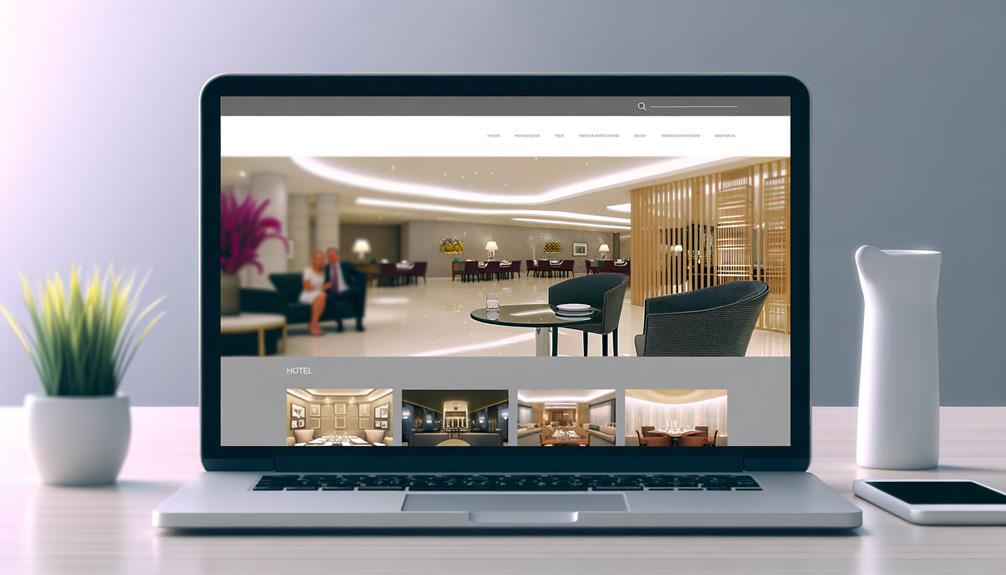
Picture this: A family from Pune is scrolling through their phone at 10 PM, comparing hotels in Goa for an upcoming long weekend. They land on your website. You have exactly three seconds to convince them you’re worth their trust, their money, and their holiday memories. What happens next — whether they hit “Book Now” or swipe left to your competitor — comes down to one thing: the quality of your hotel website.
India’s hospitality industry is experiencing an extraordinary surge. With domestic tourist footfall crossing 1.8 billion and international arrivals steadily climbing back to pre-pandemic peaks, the race for every online booking has never been more intense. The numbers tell a bold story: over 70% of Indian travellers research and book accommodations exclusively online, and a significant chunk of those decisions are made on mobile devices — often while commuting, relaxing at home, or browsing between meetings. In this landscape, your website is not just a digital brochure. It is your front desk, your concierge, your sales team, and your brand ambassador — all rolled into one sleek, fast-loading interface that has to perform flawlessly, every single time.
Yet, despite the stakes, many Indian hoteliers — from boutique heritage properties in Jaipur to beachside resorts in Goa and emerging homestay networks in Kerala — are still running websites that feel like they were designed a decade ago. Cluttered layouts, slow load times, confusing navigation, generic stock photography, and missing mobile optimisation are silently bleeding potential guests to competitors who simply show up better online. The truth is uncomfortable but liberating: in most cases, the difference between a fully booked season and a half-empty property has less to do with your room rates or amenities and far more to do with how your digital presence convinces travellers that they should choose you.
This is precisely why we have curated this collection of 15 hotel website examples that we genuinely love — a handpicked showcase of properties across the globe that are setting the gold standard for what a hotel website should look like, function like, and feel like. Whether you run a luxury heritage property in Udaipur, a business hotel in Gurugram’s cyber city, or a cosy eco-resort in Munnar, the principles behind these exceptional websites are universally powerful — and absolutely adaptable to your specific market, audience, and goals. You’ll see examples that nail stunning visual storytelling, websites that convert browsers into bookers with surgical precision, and designs that feel just as magical on a small smartphone screen as they do on a desktop monitor. Each one breaks down into lessons you can steal, adapt, and implement starting today, regardless of whether your digital marketing budget is modest or expansive.
What makes this more than just an inspiration gallery is the why behind every selection. We are not just showing you pretty pictures — we are pulling back the curtain on the design decisions, user experience choices, and conversion strategies that make these 15 hotel website examples work so effectively. You will learn why certain layouts dramatically reduce bounce rates, how thoughtful photography choices build the emotional trust that clinches a booking, what navigation structures guide guests effortlessly from homepage to reservation page, and where the smartest hotel websites invest their digital energy versus where they deliberately hold back. These are not abstract design theories plucked from textbooks — they are battle-tested tactics from real properties that are winning in competitive markets just as fiercely as the Indian hospitality space.
For Indian businesses especially, this matters on another level. Our market is uniquely diverse, multilinguistic, and mobile-first in a way that most Western design frameworks don’t fully account for. A website that dazzles in New York might fall flat in Nizamuddin. That is why, as you read through these examples, you will also find insights tailored to what Indian guests specifically respond to — from regional language accessibility and UPI payment integration visibility to culturally resonant imagery and mobile load speeds that respect spotty data connections. The hotel websites we feature understand their audience at a granular level, and that understanding translates directly into higher engagement, better reviews, and more Repeat bookings.
By the time you finish exploring these 15 hotel website examples and their breakdowns, you will have a clear, actionable blueprint for what needs to change on your own digital property — whether that means a complete redesign or a series of strategic tweaks that compound into a dramatically improved guest journey. So, buckle in. The examples ahead are going to challenge what you thought was possible for a hotel website, inspire you with ideas you haven’t considered, and ultimately equip you with the clarity to make bold, confident decisions about your digital presence. The travellers from Pune are still out there, scrolling, deciding, and ready to book. Let us make sure your website gives them every reason to choose you.
Let us dive right in.
Pain Points
Slow Loading Speeds That Drive Guests Away Before They Even See a Room
In a country where the average internet speed varies dramatically between metro cities and tier-2 towns, many Indian hotel websites are hemorrhaging potential guests in the first three seconds. A property in Jaipur hosting a destination wedding inquiry or a business traveller researching conference hotels in Hyderabad will abandon a site that takes longer than four seconds to load — and the data from Google’s Core Web Vitals reports confirms that most mid-market Indian hotel sites are failing this benchmark. The culprit is almost always unoptimised, oversized images — a single banner photo that should be 200 KB winds up at 2 MB because no one ran it through compression. Layer in bloated JavaScript from outdated CMS themes and no Content Delivery Network (CDN) for international travellers checking a resort in Goa, and you have a site that Google itself downranks in search results. For boutique properties competing with OTA giants, this loading penalty is existential.
The speed problem is compounded by the fact that many Indian hotel operators purchased their website during the early 2010s and have never updated the hosting infrastructure. A heritage property in Udaipur may have a visually stunning site designed years ago, but it sits on a shared server that chokes during festival seasons — Diwali weekend, when local leisure travel spikes, is exactly when their site goes down. Meanwhile, a competitor’s well-optimised site loads instantly on the same mobile connection in the same city. The result is a guest who never even gets to the room gallery, never sees the pool photographs, and never initiates a booking enquiry.
Outdated Design That Fails to Showcase Unique Property Identity
Despite operating in one of the world’s most visually rich hospitality markets — Kerala backwaters, Rajasthani forts converted into heritage hotels, Himalayan homestays — a staggering number of Indian hotel websites look like they were designed using a template from 2016. Generic hero banners, stock photography of beaches that are clearly not the hotel’s beach, and a colour palette that screams “corporate template” rather than “experience destination” are routine problems across mid-market and budget properties in cities like Varanasi, Rishikesh, and Pondicherry. A guest browsing a heritage haveli-turned-boutique-hotel in Jaipur expects to feel transported the moment they land on the homepage; instead, they find a slider showing discount codes and a generic welcome message.
The design problem extends to information architecture. A visitor looking for family suite options on a property near Chandigarh’s Sector 17 market should find those rooms in two clicks. Instead, they encounter a top navigation bar crammed with eighteen menu items and a “Rooms & Suites” page that lists every category in alphabetical order rather than grouping options logically. This is especially damaging for domestic travellers — a growing segment of Indian consumers booking weekend getaways from Delhi or Bengaluru — who are comparison shopping across multiple properties and will not dig through poor navigation to find what they need.
Over-Reliance on OTA Platforms Killing Direct Booking Revenue
This is arguably the most commercially damaging pain point for Indian hoteliers. When a traveller in Mumbai searches “best hotels in Juhu beach” and clicks through to a major OTA to book, the hotel pays a commission of 15–25% on that room night. For an independent 40-room property in Goa receiving 200 OTA bookings per month, that’s thousands of rupees in commissions that could have been retained with a functioning direct booking engine. Yet many Indian hotels have websites that either don’t offer online booking at all, or offer a form that redirects guests to call the front desk — effectively a dead end for the modern digital-first traveller who booked their last three trips entirely through their phone.
The dependency trap runs deeper than just the website. Because OTAs dominate the digital presence, hotels sacrifice control over their own pricing narrative and guest data. A property in Munnar that exclusively drives traffic through MakeMyTrip and Goibibo has no direct relationship with the guests who stayed there, meaning repeat marketing efforts must go through the OTA again. Google’s 2024 algorithm updates have also penalised websites that serve as thin brochureware with no transactional capability — a site that can’t process a booking is essentially invisible in commercial travel search results.
Mobile Experience Friction That Kills Half of All Potential Bookings
India has one of the highest proportions of mobile-first internet users in the world. A traveller from Bangalore researching a resort in Coorg will almost certainly be doing so on a phone, probably while commuting. If the hotel’s website isn’t built with a mobile-first philosophy — large tap targets, thumb-friendly navigation, simplified forms — the probability of abandonment is extremely high. Specific friction points include checkout flows that require re-entering information a desktop user already typed, image galleries that don’t swipe cleanly on mobile browsers, and contact forms that open a generic email client rather than an in-page widget.
A concrete example: a boutique hotel in Allepey running a Google Ads campaign for Kerala monsoon retreats will be paying per click for every mobile user who lands on a site they can’t navigate. The campaign drives traffic, but the site converts at a fraction of its desktop rate because the booking form is broken on Android browsers or the room availability calendar doesn’t render properly on iOS. The result is wasted ad spend, zero direct bookings, and a hotel manager wondering why their Google Ads “aren’t working” when the real problem is the website’s mobile UX.
Language and Accessibility Barriers Alienating Domestic Travellers
While English remains the default language for most Indian hotel websites, it creates a significant barrier for a substantial portion of the domestic travel market. A significant percentage of Indian internet users — particularly those in smaller cities and semi-urban areas who are newly coming online — are far more comfortable browsing in Hindi, Tamil, or regional languages. A heritage resort in Alappuzha with a website available only in English loses relevance to a competitor whose site offers a Hindi toggle. This isn’t a niche concern — the surge in domestic travel post-pandemic, driven by passengers from tier-2 and tier-3 cities booking via MakeMyTrip and ixigo, is a market that many hotel websites simply cannot serve in the language their potential guests prefer.
Beyond language, accessibility gaps affect travellers with slower connections — a common scenario in remote hill stations like McLeodganj or the Andaman islands. Websites that are image-heavy with no lazy-loading or progressive rendering effectively punish guests on 2G or 3G connections. A family planning a trip from Lucknow to Rishikesh will give up on a site that shows a blank screen for fifteen seconds before anything renders.
**Lack of Trust Signals That Prevent First-Time Direct Bookings
15 Hotel Website Examples We Love
For Indian hotel owners and hospitality marketers, the term “15 hotel website examples” might seem like just another listicle floating around the internet. But behind those words is one of the most practical content formats in the travel and hospitality space — a curated collection of high-performing hotel websites, presented with context, visuals, and actionable insights. Whether you’re a boutique property in Goa, a business hotel in Gurugram, or a heritage homestay in Udaipur, understanding what makes a hotel website great — and seeing real examples of it — is one of the fastest ways to level up your own digital presence.
This guide breaks down what these hotel website examples are, why they carry real weight for Indian hospitality businesses, how to use them as a learning framework, and what specific components separate a high-converting hotel website from one that simply exists on the internet.
Core Elements of a High-Converting Hotel Website
When we talk about the “15 hotel website examples” that are truly setting benchmarks, we are not just admiring pretty pictures. We are dissecting the foundational elements that contribute to a superior user experience, build trust, and ultimately drive direct bookings. For Indian hoteliers, understanding these core components is non-negotiable in a market where every click counts and every potential guest is an opportunity to reduce OTA commissions. These are the pillars upon which successful hotel websites are built, designed to turn a casual browser from Bengaluru or Mumbai into a confirmed guest.
Immersive Visual Storytelling That Transports Guests
A picture is worth a thousand words, and in the hospitality industry, it is worth thousands of rupees. The best hotel websites use visuals to evoke emotion, tell a story, and transport the potential guest to the property before they even arrive. This goes far beyond generic stock photos of smiling families or pristine beaches that could be anywhere in the world. Instead, they feature:
- Authentic, High-Resolution Photography: Images that genuinely showcase your property’s unique character. For a heritage hotel in Jaipur, this means detailed shots of intricate frescoes, local artisans, and royal courtyards, not just a standard room. For a beach resort in Goa, it’s about capturing the vibrant sunsets, the specific stretch of sand, and the local shacks, making it distinctly your Goa experience.
- Engaging Video Content: Short, cinematic videos of the property, aerial drone shots of the surroundings (think a resort nestled in the Himalayas or a backwater property in Kerala), and even snippets of guest experiences (with permission, of course). A 30-second video can communicate more than pages of text, especially for mobile users with limited attention spans.
- Virtual Tours (360-degree): Allowing guests to virtually “walk through” rooms, lobbies, and amenities. This is particularly effective for luxury properties or unique stays, like a treehouse resort in Karnataka, giving guests a realistic preview and building confidence in their booking decision.
- Visual Consistency: Ensuring that the quality and style of photography are consistent across the entire website, creating a cohesive and professional brand image. This helps build trust and reinforces the property’s identity.
The goal is to make the guest feel an emotional connection and see themselves enjoying the experience, not just seeing a room. This is especially vital for the aspirational Indian traveller looking for memorable experiences, not just a place to stay.
Intuitive User Experience (UX) and Seamless Navigation
A beautiful website that is difficult to navigate is like a luxury car with a clunky gearbox – frustrating and ultimately inefficient. The 15 hotel website examples we admire prioritise a user experience that is smooth, logical, and anticipates guest needs.
- Clear, Minimalist Navigation: A clean header menu with 5-7 key items (e.g., Rooms, Dining, Experiences, Gallery, Contact, Book Now) is far more effective than a cluttered menu with dozens of options. Guests, particularly on mobile, need to find information quickly.
- Mobile-First Design: Given India’s overwhelming mobile internet usage, every element—from text size and button placement to image loading—must be optimised for smartphones. Large, thumb-friendly tap targets, simplified forms, and responsive layouts are non-negotiable. A family from Pune comparing Goa hotels on their phone needs a site that works effortlessly on a smaller screen.
- Logical Information Architecture: Grouping related information intuitively. A guest looking for MICE facilities at a business hotel in Hyderabad should find them under “Meetings & Events,” not buried in a “Services” page. Room types should be categorised clearly (e.g., Standard, Deluxe, Suite) with easy comparison options.
- Prominent Calls to Action (CTAs): Buttons like “Book Now,” “Check Availability,” “View Rooms,” and “Contact Us” should be strategically placed, visually distinct, and consistent throughout the site, guiding the user towards conversion.
- Fast Loading Speeds: As discussed in the “Pain Points” section, speed is paramount. Optimised images, efficient code, and robust hosting with a CDN (Content Delivery Network) ensure the site loads quickly, preventing bounce rates from exasperated users.
Robust, Frictionless Direct Booking Engine
This is where inspiration turns into revenue. The most effective hotel websites make the direct booking process not just possible, but preferable. This means:
- Real-time Availability and Pricing: Guests expect to see instant updates on room availability and the best available rates, eliminating the need for phone calls or email inquiries.
- Seamless Integration with PMS: The booking engine should integrate flawlessly with your Property Management System (PMS) to avoid double bookings and ensure accurate inventory management.
- Multiple, Secure Payment Options: For the Indian market, this is critical. Offering UPI (Google Pay, PhonePe, Paytm), Net Banking, major credit/debit cards, and even EMI options (for higher-value bookings) caters to a diverse payment landscape. Ensure the payment gateway is secure and displays trust badges (e.g., SSL certificate, PCI DSS compliance).
- Transparent Pricing and Policies: No hidden charges. Clearly display the total price, including GST, and any applicable terms and conditions (cancellation policy, check-in/out times). Transparency builds trust and reduces cart abandonment.
- Optimised Checkout Flow: A streamlined, ideally one-page or very few-step, checkout process reduces friction. Minimise the number of fields a guest needs to fill, pre-populate where possible, and offer guest checkout options alongside account creation.
Compelling Content That Answers Guest Questions
Beyond visuals and booking, rich, informative content solidifies the guest’s decision. This is where your property’s personality shines through.
- Detailed Room Descriptions: Go beyond “standard room.” Highlight unique features, views, amenities, and floor plans. Use evocative language to paint a picture of the stay.
- Local Area Guides: Position your property as a local expert. A hotel in Chennai near Marina Beach could offer a guide to local eateries, cultural spots, and hidden gems. An eco-resort in Coorg could detail trekking routes, coffee plantation tours, and local wildlife.
- Blog Section: A blog can be a powerful SEO tool and a way to engage potential guests. Write about local festivals, unique experiences offered at your property, or travel tips for your region. This content can attract guests researching “things to do in Pondicherry” or “best places to visit near Delhi.”
- Guest Testimonials and Reviews: Integrate recent guest reviews (with permission) directly on your site, or link prominently to platforms like TripAdvisor and Google Reviews. Authentic feedback is powerful social proof.
- Comprehensive FAQ Section: Address common questions specific to your property and location. This could include details about pet policies, airport transfers, specific dietary options (vegetarian, vegan, Jain food), or local transport availability, which are common concerns for Indian travellers.
Trust Signals and Social Proof
In an age of online scams and misinformation, building trust is paramount, especially for first-time bookers.
- Prominent Display of Reviews and Ratings: Showcase your average rating from Google, TripAdvisor, or other relevant platforms. Highlight positive quotes from satisfied guests.
- Security Badges and Certifications: Display SSL certificates, secure payment gateway logos, and any relevant industry certifications (e.g., “Safe Travels” stamp, eco-tourism certifications). For Indian guests, seeing familiar payment logos like UPI is a strong trust signal.
- Awards and Recognitions: If your property has won awards (e.g., TripAdvisor Travelers’ Choice, Conde Nast Traveller accolades, local hospitality awards), display them prominently.
- Clear Contact Information: Easy-to-find phone numbers (including a WhatsApp option, highly preferred in India), email addresses, and physical addresses (with Google Maps integration) reassure guests that real people are behind the website.
- Transparent Policies: Clearly state your privacy policy, terms and conditions, and cancellation policies. Compliance with regulations like India’s IT Act 2000 for data privacy can also be subtly communicated.
By focusing on these core elements, Indian hoteliers can transform their websites from mere online brochures into powerful direct booking machines, building lasting relationships with guests and significantly impacting their bottom line.
Use Cases
The principles behind these exemplary hotel websites are not abstract concepts; they are highly adaptable strategies that can be tailored to the unique context and challenges of India’s diverse hospitality market. From the bustling metros to serene hill stations, different types of properties cater to distinct guest segments, each requiring a website strategy that resonates with their specific audience. Let us explore a few concrete Indian business scenarios and how these website best practices apply.
The Luxury Heritage Property in Udaipur
Imagine a magnificent haveli converted into a boutique hotel in the heart of Udaipur, attracting high-net-worth individuals (HNIs) from Delhi, international tourists, and destination wedding parties. Their website needs to be a digital portal to an experience of regal grandeur and bespoke luxury.
- Challenge: Conveying exclusivity, history, and impeccable service online, while justifying premium tariffs against aggressive OTA discounting.
- Website Strategy:
- Immersive Visuals: High-resolution, artistic photography and cinematic videos showcasing the intricate architecture, royal suites, private dining experiences, and panoramic lake views. Virtual tours of key areas like the royal courtyard or a specific heritage suite are crucial.
- Storytelling: Rich content detailing the property’s history, the legacy of its founders, and the unique cultural experiences offered (e.g., traditional music performances, guided heritage walks). This builds emotional connection and justifies the luxury price point.
- Personalised Experiences: Dedicated sections for bespoke itineraries, destination wedding planning, and private events with clear inquiry forms. Integration with a live chat concierge service for immediate, personalised assistance.
- Direct Booking for Packages: The booking engine should prominently feature luxury packages (e.g., “Royal Retreat,” “Honeymooner’s Delight”) that include exclusive amenities, transfers, and experiences not available on OTAs. The value proposition of direct booking is amplified through these unique offerings.
- Trust Signals: Featuring accolades from international travel magazines, high ratings on luxury travel platforms, and testimonials from discerning guests. Multi-language support (English, Hindi, potentially French/German for international guests) is also a strong trust and accessibility signal.
The Business Hotel in Gurugram’s Cyber City
Consider a modern, 4-star business hotel strategically located near the corporate hubs of Gurugram, catering primarily to corporate travellers, MICE (Meetings, Incentives, Conferences, and Exhibitions) events, and transit guests from Delhi Airport. Their website needs to exude efficiency, connectivity, and professionalism.
- Challenge: Attracting corporate clients, showcasing comprehensive MICE facilities, ensuring seamless booking for busy professionals, and competing with other established brands in a competitive market.
- Website Strategy:
- Clear Value Proposition: Homepage focuses on proximity to business districts, high-speed internet, meeting rooms, and executive amenities. Professional, clean design with emphasis on functionality.
- MICE Specialisation: A dedicated, detailed section for meeting rooms, banquet halls, and conference facilities. This should include floor plans, capacity charts, equipment lists, and a clear inquiry form for corporate event planners. Showcasing past corporate clients (with permission) adds credibility.
- Efficient Booking: A fast, intuitive direct booking engine designed for quick corporate bookings, often for single nights or short stays. Options for corporate rates, direct billing, and loyalty program integration. UPI and corporate card payment options are essential.
- Connectivity & Convenience: Highlight amenities like 24/7 business centre, airport transfers, fitness centre, and in-room technology. Content should address the needs of a time-sensitive business traveller.
- Mobile Optimisation: Absolutely critical for professionals booking on the go, often from their smartphones while commuting or during short breaks. The booking flow must be flawless on mobile.
The Eco-Resort/Homestay in Munnar, Kerala
Picture a tranquil eco-resort or a charming homestay nestled amidst the tea plantations of Munnar, attracting nature lovers, adventure seekers, and families looking for an authentic, sustainable experience. Their website must reflect serenity, local culture, and responsible tourism.
- Challenge: Communicating the unique, immersive nature experience and sustainable practices, attracting guests who value authenticity over luxury, and managing bookings for experiential packages.
- Website Strategy:
- Authentic Visuals: Focus on natural beauty – lush greenery, misty mountains, local wildlife, and the unique architecture of the resort/homestay. Show real guests engaging in activities like plantation walks, bird watching, or cooking classes with local ingredients. Avoid anything that looks generic or overly commercial.
- Sustainability Storytelling: Dedicated section detailing eco-friendly practices (e.g., rainwater harvesting, organic farming, waste management, local community engagement). This resonates deeply with their target audience.
- Experiential Packages: The direct booking engine should prominently feature packages built around experiences – “Tea Plantation Trail,” “Birdwatcher’s Paradise,” “Munnar Cultural Immersion.” These unique offerings differentiate the property from standard hotels.
- Guest Testimonials: Emphasis on reviews that highlight the unique experiences, the warmth of the hospitality, and the connection with nature. User-generated content from social media can be curated and displayed.
- Accessibility & Local Information: Practical information on how to reach the resort (road conditions, nearest railway/airport), local transport options, and a guide to nearby attractions and activities. This helps travellers plan their off-beat trip.
The Budget/Mid-Market Hotel in Tier-2 Cities (e.g., Ahmedabad, Lucknow)
Consider a clean, comfortable, and well-located hotel in a rapidly growing tier-2 city like Ahmedabad or Lucknow, primarily serving domestic leisure travellers, families, and business travellers seeking value for money.
- Challenge: Standing out in a crowded market, clearly communicating value, ensuring accessibility for a diverse domestic audience, and converting price-sensitive guests directly.
- Website Strategy:
- Clarity and Value: Homepage immediately highlights competitive pricing, special offers, and key amenities (e.g., complimentary breakfast, free Wi-Fi, clean rooms, good location). The design should be clean, uncluttered, and easy to digest.
- Honest Visuals: Clear, well-lit photos of rooms, common areas, and dining facilities that accurately represent the property. Avoid over-glamorising; focus on cleanliness and comfort.
- Prominent Offers & Discounts: The booking engine and homepage should prominently display any ongoing promotions or direct booking discounts, which are a major draw for budget-conscious Indian travellers.
- Multi-Language Support: Crucial for domestic travellers. Offering content in Hindi, Gujarati (for Ahmedabad), or Urdu/Awadhi (for Lucknow) can significantly broaden reach and build trust with local audiences.
- UPI Integration: A frictionless direct booking process with prominent UPI payment options is paramount, as this is the preferred payment method for a vast majority of Indian consumers, especially in tier-2 and tier-3 cities.
- Location-Based SEO: Optimise content for local search queries like “hotels near Kankaria Lake Ahmedabad” or “best hotels near Hazratganj Lucknow” to capture relevant domestic traffic.
These use cases demonstrate that while the core principles of a great hotel website are universal, their application must be strategically tailored to the property’s specific market, audience, and unique selling propositions within the Indian context.
Implementation Roadmap
Transforming your hotel website from an underperforming digital brochure into a direct booking powerhouse might seem daunting, but by following a structured roadmap, Indian hoteliers can achieve significant improvements. This step-by-step guide is designed to be practical and actionable, regardless of whether you’re planning a complete overhaul or strategic enhancements.
Step 1: Conduct a Comprehensive Website Audit
Before making any changes, understand what is currently working and what is failing.
- Technical Audit: Use tools like Google PageSpeed Insights, GTmetrix, and Google’s Core Web Vitals report to assess load times, mobile responsiveness, and technical SEO issues (e.g., broken links, crawl errors). Identify oversized images, render-blocking JavaScript, and inefficient hosting.
- Content & UX Audit: Review every page for relevance, clarity, and engagement. Are room descriptions compelling? Is navigation intuitive? Does the content answer common guest questions? Conduct user testing with actual potential guests (e.g., friends or family matching your target demographic) to identify pain points.
- Conversion Funnel Analysis: If you have Google Analytics installed, track how users move from the homepage to the booking engine. Identify drop-off points in the booking process. Where are users abandoning their carts?
- Competitor Analysis: Study the websites of your direct competitors, both local and national. What do they do well? What opportunities are they missing? This helps identify benchmarks and unique selling propositions.
Step 2: Define Your Target Guest Persona(s)
Understanding your ideal guest is foundational to effective web design and content strategy.
- Who are they? Are they families from Mumbai planning a weekend getaway, business travellers from Delhi, international tourists seeking cultural immersion, or young couples looking for adventure?
- What are their motivations? What problems are they trying to solve? What experiences are they seeking?
- What are their digital habits? Which devices do they use most? What payment methods do they prefer (UPI, cards, net banking)? Do they prefer English or regional languages?
- Example: If your hotel in Bengaluru primarily targets IT professionals, your website needs to highlight high-speed Wi-Fi, meeting facilities, and easy access to tech parks, with a fast, mobile-first booking experience.
Step 3: Invest in Professional Visual Content
This is one area where cutting corners proves to be a false economy.
- High-Quality Photography & Videography: Hire professional photographers and videographers who understand hospitality and can capture the unique ambiance and USPs of your property. Showcase rooms, dining, amenities, and local experiences authentically.
- Optimise All Visuals: Every image and video must be compressed for web without losing quality. Implement lazy loading so visuals only load when they enter the user’s viewport, dramatically improving page speed, especially on mobile and slower Indian network connections.
- Virtual Tours: Consider 360-degree virtual tours for key areas, providing an immersive experience that builds confidence.
Step 4: Prioritize Mobile-First Design & UX
Given India’s mobile-dominant internet usage, this is non-negotiable.
- Responsive Design: Ensure your website adapts flawlessly to all screen sizes – smartphones, tablets, and desktops.
- Thumb-Friendly Navigation: Design large, easily tappable buttons and menu items. Simplify forms for mobile input, reducing typing effort.
- Simplified Booking Flow: Test your booking engine extensively on various mobile devices (Android and iOS) and browsers. Ensure the process is intuitive, with minimal steps and clear progress indicators.
- Accessibility: Consider users on slower networks or with accessibility needs. Ensure text is readable, colour contrast is good, and alternative text is provided for images.
Step 5: Integrate a Robust Direct Booking Engine & Payment Gateway
This is the heart of your conversion strategy.
- Feature-Rich Booking Engine: Choose a solution that offers real-time availability, dynamic pricing, package deals, and promotional code capabilities. It should integrate seamlessly with your Property Management System (PMS).
- India-Specific Payment Options: Ensure your payment gateway supports UPI (QR codes, collect requests), Net Banking for all major Indian banks, and credit/debit cards. The visibility of these options builds trust.
- Security & Transparency: Display SSL certificates and PCI DSS compliance badges prominently. Ensure all pricing, taxes (like GST), and cancellation policies are clearly stated before the guest confirms their booking.
Step 6: Craft Compelling, SEO-Optimized Content
Your content should inform, persuade, and be discoverable.
- Unique Room & Amenity Descriptions: Go beyond generic descriptions. Highlight what makes each room special.
- Local SEO Focus: Create content optimized for local search terms (e.g., “resort near Juhu beach Mumbai,” “heritage hotel Jaipur with pool”). Develop local guides and blog posts about nearby attractions and activities.
- Multi-Language Content: For key pages (Rooms, Contact, Booking), consider offering content in regional languages like Hindi, Marathi, Bengali, Tamil, or Kannada, depending on your target domestic audience.
- Blog & Resources: A blog can be a powerful tool for driving organic traffic by addressing common travel queries and showcasing local experiences.
- Guest Reviews & Testimonials: Integrate widgets to display recent reviews from Google, TripAdvisor, or directly from guests.
Step 7: Implement Trust Signals & Social Proof
Build credibility to convert first-time visitors.
- Prominent Review Displays: Showcase your average ratings from reputable platforms.
- Awards & Certifications: Display any industry awards, environmental certifications, or “Safe Travels” badges.
- Clear Contact Information: Ensure your phone number (including WhatsApp), email, and physical address are easily accessible.
- Transparent Policies: Make your privacy policy, terms and conditions, and cancellation policies easy to find and understand.
Step 8: Set Up Analytics & Continuous Optimization
A website is never truly “finished.” It requires ongoing monitoring and refinement.
- Install Google Analytics 4 (GA4): Set up GA4 to track user behaviour, conversion rates, traffic sources, and mobile performance.
- Google Search Console: Monitor your site’s performance in Google Search, identify indexing issues, and track keyword rankings.
- Regular Review & A/B Testing: Periodically review performance data. Conduct A/B tests on elements like CTA button colours, headline variations, or booking form layouts to continually improve conversion rates.
- Stay Updated: Keep your website’s CMS (e.g., WordPress) and plugins updated for security and performance. Regularly refresh content and images.
By systematically working through this roadmap, Indian hoteliers can build a high-performing website that not only attracts more direct bookings but also strengthens their brand identity and reduces reliance on costly OTA commissions.
Measuring Success: Key Metrics for Indian Hoteliers
A beautifully designed website is only half the battle; knowing whether it is actually performing its job – attracting, engaging, and converting guests – is the other, equally crucial half. For Indian hoteliers, tracking the right metrics provides invaluable insights into return on investment (ROI) and guides future optimisation efforts. Without clear data, even the most stunning website is just an expensive digital brochure. Here are the key performance indicators (KPIs) you should be monitoring to gauge your website’s success.
Direct Booking Conversion Rate
This is arguably the single most important metric for any hotel website, especially in the context of reducing OTA dependency.
- Calculation: (Number of Direct Bookings / Total Website Visitors) * 100
- Why it matters: A high direct booking conversion rate signifies that your website effectively convinces visitors to bypass OTAs and book directly with you. This translates directly into significant savings on commissions, which can range from 15-25% per booking. For a 50-room hotel in Goa achieving 100 direct bookings monthly, even a 1% increase in conversion rate can mean thousands of rupees in retained revenue.
- What to look for: Track this monthly and compare it against previous periods. Identify trends and correlate changes with specific website updates or marketing campaigns.
Mobile Performance Metrics
Given that over 70% of Indian internet users access the web via mobile, these metrics are critical.
- Mobile Bounce Rate: The percentage of visitors who land on your site from a mobile device and leave without interacting further or visiting another page. A high mobile bounce rate indicates poor mobile UX or slow loading speeds.
- Mobile Conversion Rate: The percentage of bookings originating from mobile devices. This highlights how effectively your mobile-optimised booking flow is performing.
- Core Web Vitals (LCP, FID, CLS): Google’s metrics for user experience, especially on mobile.
- Largest Contentful Paint (LCP): How long it takes for the largest content element on the page to become visible.
Related reading
- Travel Website Design Our 15 Favorites For 2023 — Complete 2026 Guide
- 15 Best Modern Website Design Examples We Love How To Make Your Own — Complete 2026 Guide
- 15 Best Ecommerce Website Design Examples To Get Inspired — Complete 2026 Guide
Further reading
For deeper background see HubSpot marketing statistics.
Need a website like this?
Chat with our AI and get matched with a designer in minutes.
Start your project →